
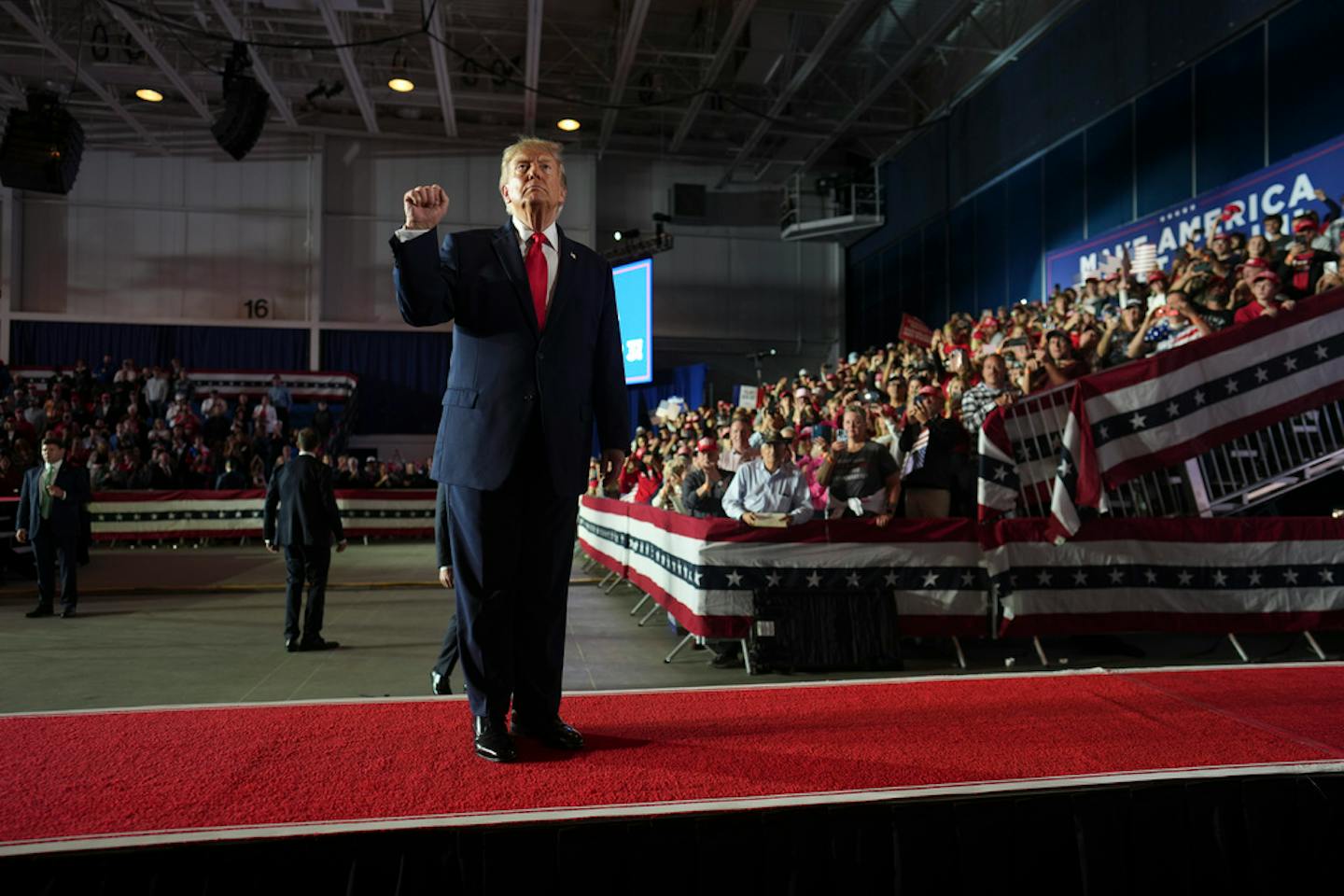
The recent midterm elections signaled a significant shift in American politics. Despite President Donald Trump’s insistence that voters act as though he was on the ballot, the results showed a strong preference against his administration and policies.
The Democratic Party gained substantial ground, reflecting widespread disapproval of Trump, who had urged voters 47 times to consider him during the campaign. This appeal, however, did not yield the hoped-for support.
Trump’s influence seems to have weakened, even in traditionally Republican territories. High gas prices, conflict with Iran, and accusations of Trump and his associates profiting from office left many voters dissatisfied. As a result, some chose to abandon his party or abstain from voting altogether.
Significant Democratic Gains
Early Wednesday projections suggested a Democratic victory margin of about 13 percentage points nationwide for House seats. This represented the largest advantage by either party in congressional elections since at least 1976. Redistricting efforts mean this may not convert into as many seats, but the message remains clear.
Despite Trump’s remaining time in office, the nation’s sentiment indicates a diminishing era of Trump. The election results also mark an evolution in the political landscape, calling for a potential transition over the next two years.
Trump’s Reactions and Republican Challenges
Trump downplayed the Democratic victories, arguing the outcomes could not fully reflect on him since he wasn’t on the ballot. However, with his war-driven energy price impacts and campaign strategy focus, many Republicans felt the election was inherently about him.
Trump’s handpicked candidates like Ken Paxton in Texas faced losses, showcasing the backlash from his influence. Trump’s endeavors to amend district mappings also faltered, pointing to broader electoral dissent.
Voter Sentiments and Future Implications
Polls revealed voter frustrations, particularly with broken promises concerning border policies and cost-of-living challenges. Trump’s focus on less relevant topics like infrastructure over economic concerns further distanced him from voter priorities.
Despite his declining popularity, Trump still holds executive power for two more years, and substantial challenges remain for Republicans aligning with his approach. Former allies and party strategists emphasize the need for Republicans to solidify their principles for future successes.
Democratic Strategy and Nationwide Impact
The Democratic response has been primarily oppositional to Trump. In moving forward, internal debates may arise about the influence of progressives versus moderates. Addressing these dynamics will shape future strategies.
The electoral atmosphere now points to a distinction between non-MAGA Republicans and the traditional party. It’s uncertain how the GOP will redefine itself amidst these shifts.
James Blanchard, reflecting on past political cycles, remarks that though the Trump era is fading, its impact leaves a lasting mark on American politics. The road ahead involves navigating these changes while addressing evolving voter expectations.