
Gold’s Decline in 2026
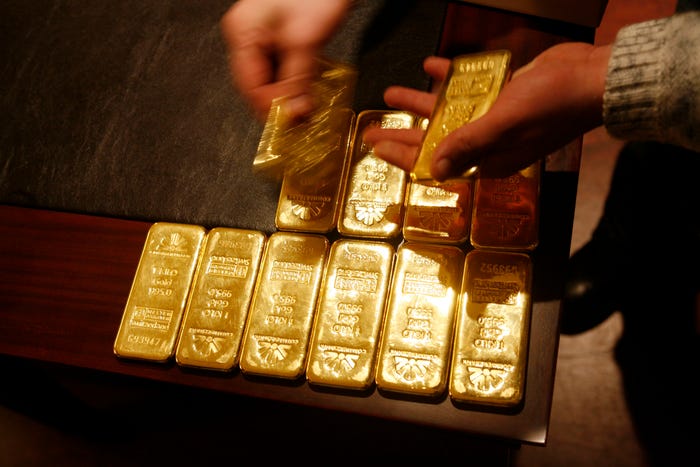
Gold has experienced a significant downturn in 2026, marking a rare and dramatic shift for the precious metal which is often seen as a steady investment. While AI stocks have caught much of the investor attention, gold has quietly fallen about 29% from its January highs, trading at around $4,000 an ounce as of Tuesday. This decline positions gold on track for its most adverse yearly performance in over a decade. The metal dropped more than 3% in October, its v worst monthly performance since the Great Financial Crisis.
Factors Behind the Decline
Various factors contribute to the ongoing decline in gold prices, according to economist David Rosenberg. Traditionally, gold is viewed as a safe haven during stock market volatility or geopolitical turmoil, and its demand typically rises with inflation fears. However, these correlations have not held true in 2026, even amid rising oil and gas prices.
Higher Treasury Yields
Rising interest rates, elevated Treasury yields, and a stronger US dollar are major players affecting gold. Higher interest rates increase the opportunity cost of holding non-yielding assets like gold. Treasury yields have risen, with the 10-year yield reaching 4.91%, a 77 basis points increase year-to-year. The US Dollar Index, which measures the dollar against other major currencies, climbed to 101, up 3% since the beginning of the year, illustrating bullish sentiment for the dollar.
Declining Consumer Demand
Another factor is the weakening consumer demand for gold jewelry and other physical gold forms. The World Gold Council notes that bar and coin demand dropped 19% year-over-year, and global jewelry demand fell 17%. In contrast, US gold jewelry revenue is up, but unit sales have declined, focusing more on higher-priced merchandise. Inflation concerns and a shift in consumer spending patterns contribute to these demand changes.
Affect of AI Stocks on Gold
The AI stock sell-off also ripples across markets, affecting gold as investors lean towards cash due to extreme risk-off sentiment. This sentiment is partially fueled by the Nasdaq 100 slipping into an official correction and losing approximately $2 trillion in market capitalization since early October.
Historical Patterns and Future Outlook
Finally, gold may be entering a period of stagnation following its 2025 rally. Historically, the metal sees extensive growth spurts followed by near-zero gains. This trend reflects investor preference for more lucrative assets like stocks and real estate.
Investor Sentiment
Investor sentiment is heavily influenced by these market forces. Higher interest rates and a powerful US dollar have shifted focus away from the traditional safe haven aspects of gold. The intricate balance of these dynamics casts doubt over the future performance and demand for gold.