
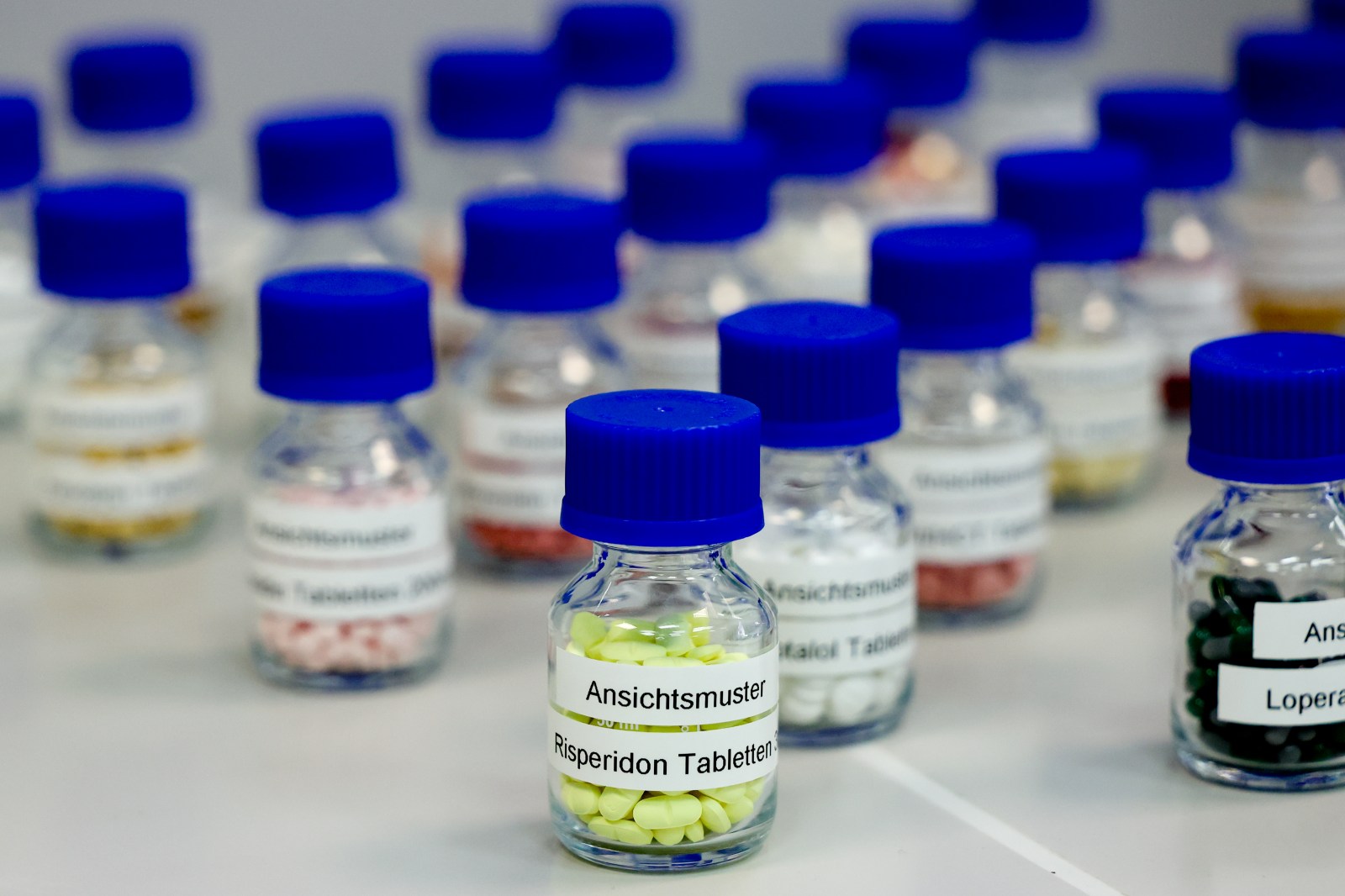
For over a year, German officials have blocked one of the Trump administration’s key reform efforts. The president’s patience has now ended. The White House sought support from allied countries to reduce their drug price controls. By paying market rates for U.S.-developed medicines, these nations could ease the load on American patients and taxpayers while promoting U.S. biotech growth and jobs.
However, German officials have been uncooperative. Instead of lifting price restrictions, Germany pushed forward with legislation that forces biotech companies to offer larger discounts to German insurers. This led the Trump administration to initiate a Section 301 investigation into Germany’s pricing practices. This could result in tariffs and trade penalties unless Germany aligns with Trump’s proposed reforms.
The investigation into Germany is warranted. But the administration should not stop there. Many major trading partners engage in similar practices that disadvantage American stakeholders. Japan sets and repeatedly reduces low prices on new medicines. France uses skewed assessments to justify underpriced innovative drugs. Switzerland links drug reimbursements to lower European rates and reduces them further over time. Canada lacks essential regulatory protections, allowing firms to replicate U.S. drugs and set prices far below market value.
For years, administrations from both parties have criticized these foreign actions, arguing they deprive U.S. companies of significant revenue. In 2018, had developed countries matched U.S. drug prices, an additional $254 billion could have flowed to drugmakers, boosting R&D and job creation.
Germany, as Europe’s largest economy, plays a significant role in the pharmaceutical market. Hence, its selection for the initial Section 301 investigation is strategic. Failing to address Germany’s practices might encourage procrastination from other nations.
The Trump administration should consider further Section 301 investigations promptly, even amid ongoing trade talks. This would provide negotiators with leverage to extract foreign policy changes. The administration has shown that employing this strategy can succeed. Recently, the UK agreed to increase its drug expenditure following a Section 301 investigation threat.
The administration must continue pressing forward with these investigations, starting with Germany, to protect American jobs and patients. Allowing free-riding by wealthy countries undermines U.S. pharmaceutical innovation.
Ambassador Jeffrey Gerrish, who served as deputy U.S. trade representative, shares these perspectives based on his experiences from 2018 to 2020.