
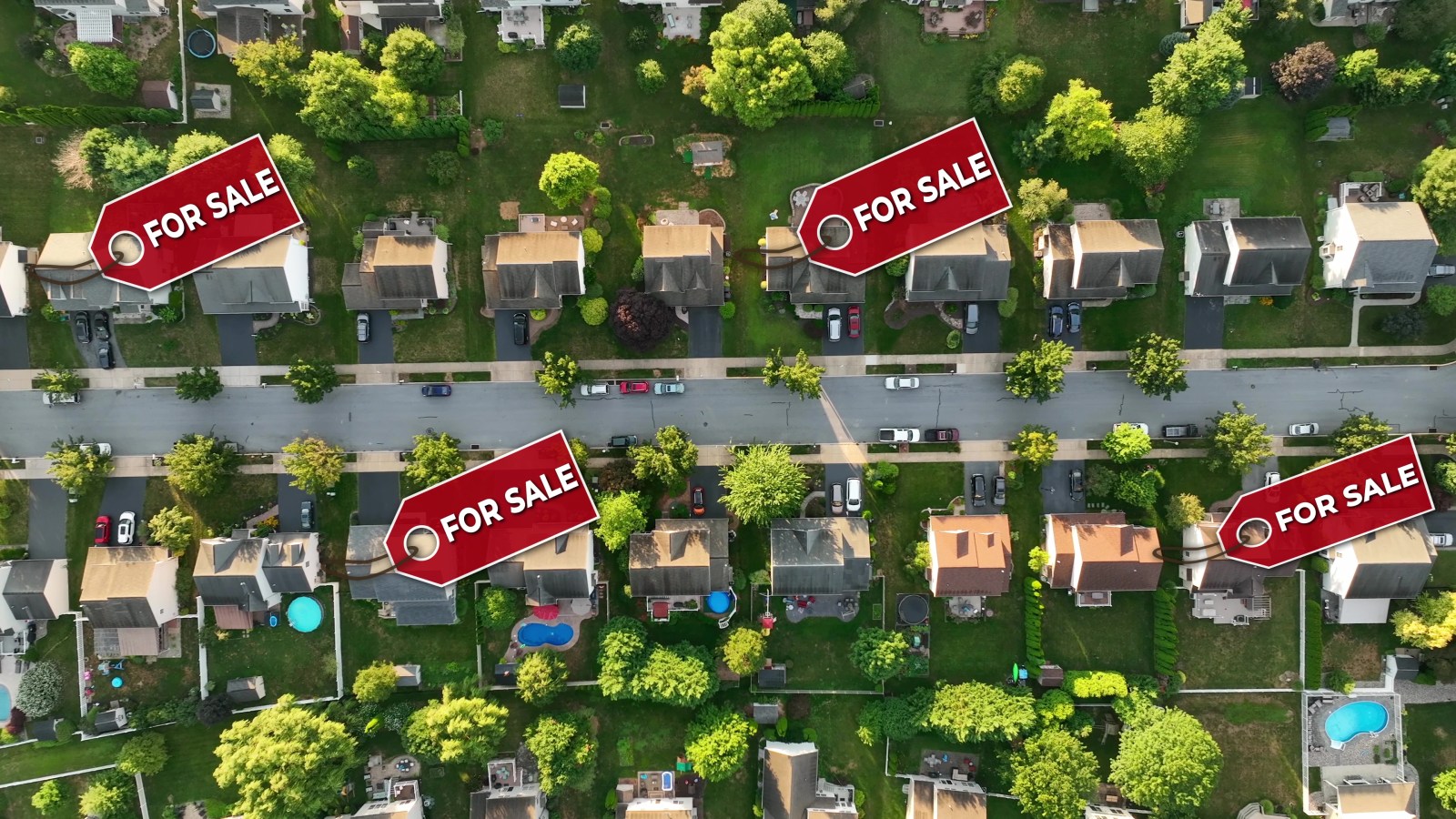
Brian Gorman, at age 14, earned nearly double the federal minimum wage by working as a bagger. Soon, he added a second job teaching guitar. By 1994, with savings accumulated from multiple jobs, Gorman realized he had enough for a significant home down payment. Unlike younger generations, Gorman and his peers found homeownership more attainable due to lower housing costs relative to income.
Today’s younger generations face a different reality. Gen Z, with its eldest members soon reaching 30, confronts a challenging path to homeownership. For many, the cost of housing relative to income was more manageable in earlier decades. Today, rising costs outpace salary growth, making homeownership increasingly elusive.
Early Career Financial Landscapes
Alexia Georghiou’s first job out of college in 1996 paid $26,000, equivalent to $56,000 in today’s dollars. Living in Maryville, Tennessee, she paid $400 for rent and managed to save while traveling and buying a car. This was possible before significant housing market shifts occurred. Within a decade, she bought a beachfront condo in Florida on her single salary.
Similar was the experience of Rodney J Moore, who earned $35,000 as a researcher in 1996, spending $650 on rent. Today, inflation has adjusted his rent to approximately $1,400. However, salaries have not kept up with costs; Moore’s adjusted salary would be $75,000, while today’s average salary for young adults is significantly lower.
Barriers to Affordable Housing
Economist Scott Beaulier explained that Gen Z and Gen X entered adulthood during fundamentally different economic times. While wages for young workers have grown, housing costs in metropolitan areas have escalated more rapidly. The U.S. Treasury noted that from 2000 to 2020, housing costs surged beyond income growth, driven by high demand and insufficient supply.
Beaulier emphasized that the problem isn’t about hard work, but the worsening salary-to-housing cost ratio. Where Gen X could afford modest housing on entry-level salaries, young workers now spend up to 50% of their income on housing, complicating savings efforts.
Reflection on Gen X Experiences
Gorman feels today’s housing landscape is less forgiving. Despite saving, he finds prices daunting. Amore Philip, who passed on affordable purchase opportunities in New York, highlights the differences in opportunities between generations. Properties once priced under $80,000 now demand hundreds of thousands.
Gen Z’s Financial Landscape
Despite challenges, Gen Z shows resilience. Beaulier notes the significance of timing in economic conditions, not generational differences in skill or determination. Gen Z enters adulthood amid high housing prices and limited supply.
Nonetheless, Gen Z’s economic influence is growing. A report by Bank of America in 2026 indicates that younger generations benefit from the flexibility of job-hopping, resulting in rapid income growth. Beaulier concludes that in terms of net worth and well-being, Gen Z is progressing, even if their housing circumstances differ from prior generations.