
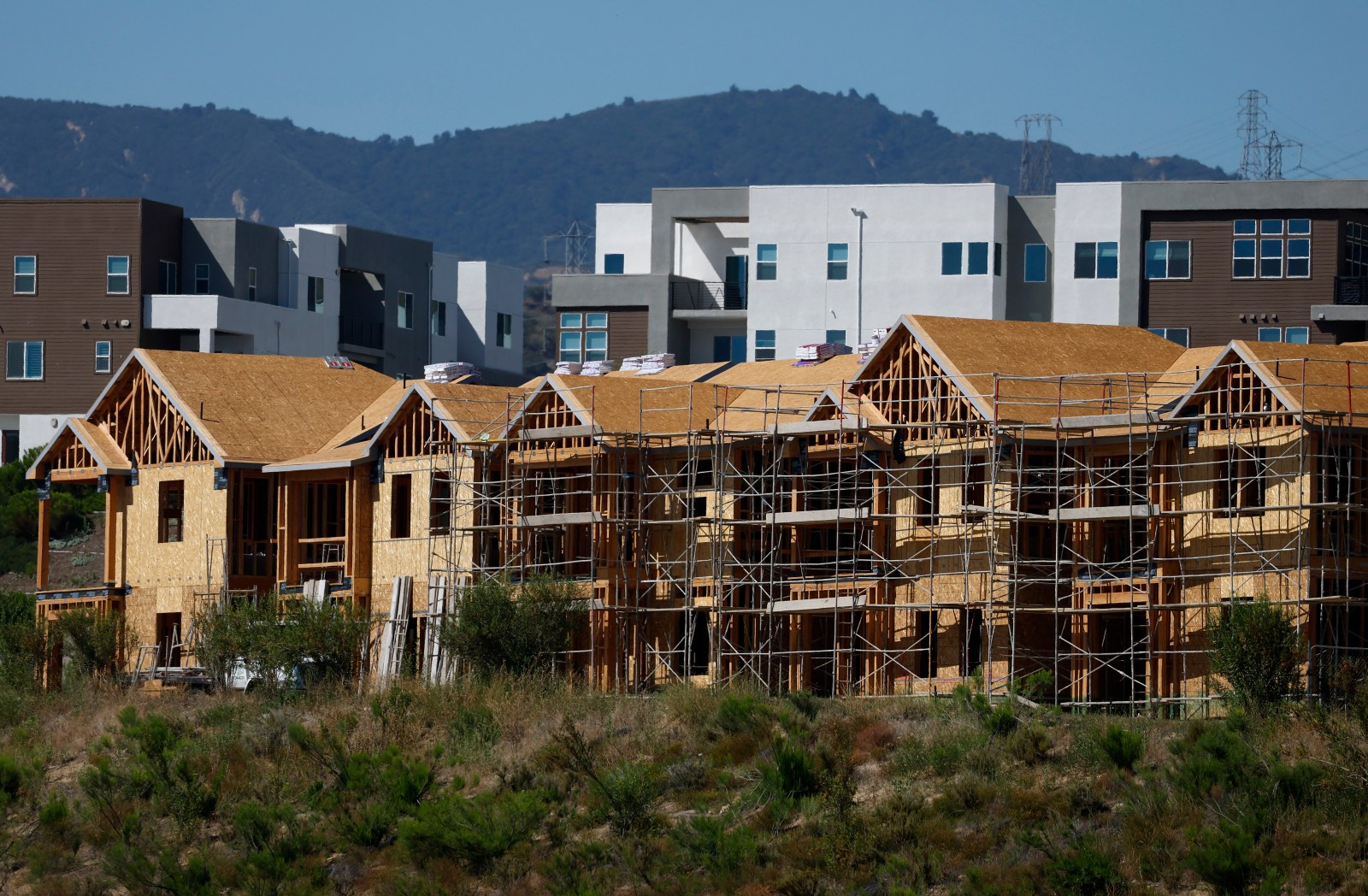
The affordable housing shortage in the United States is a critical issue, with a study from the National Multifamily Housing Council and NYU Urban Lab revealing that it would take over a century for the gap to be closed in 38 out of the country’s 51 largest metropolitan areas if the current pace of construction continues.
Research findings indicate that more than half of American renter households, over 22.4 million, are spending more than 30 percent of their income on housing. This scenario is primarily due to the limited affordable rental options, forcing even households with moderate or high incomes to face unaffordable housing costs. For extremely low-income households, private housing remains unaffordable without subsidies.
The study highlights the urgency of reform, suggesting that a solution for the housing crisis could be generations away if cities rely on current resources to address the supply deficit. In St. Louis, for example, researchers estimate that relief might not arrive for almost a millennium, at 956 years, the longest expected timeframe among the metros analyzed. This is in stark contrast to the New York City metro area, which has an estimated gap closure time of 169 years.
The rental affordability crisis is multifaceted, requiring a variety of tools to address each issue, stated Caitlin Sugrue Walter, Senior Vice President of Research and Innovation at NMHC.
Even though the New York City metro area has made strides in reaching low-income renters through new construction, it remains far from resolving the city’s housing affordability crisis. Mayor Zohran Mamdani’s “Block By Block” plan aims to address this issue, with recent successes such as freezing rent for rent-stabilized apartments.
While increased market-rate construction in cities like New York and Dallas has driven average rents down, it does not create affordable housing for extremely low-income households without subsidies. The study notes that in only 13 of the analyzed metropolitan areas, the existing affordable housing gap could potentially be closed within a century at current construction rates, including:
- Raleigh-Cary, North Carolina: 45 years
- Charlotte-Concord-Gastonia, North Carolina–South Carolina: 45 years
- Cleveland, Ohio: 49 years
- Salt Lake City-Murray, Utah: 50 years
- Buffalo-Cheektowaga, New York: 52 years
- Minneapolis-St. Paul-Bloomington, Minnesota–Wisconsin: 58 years
- Seattle-Tacoma-Bellevue, Washington: 74 years
- Pittsburgh, Pennsylvania: 78 years
- San Antonio-New Braunfels, Texas: 88 years
- Austin-Round Rock-San Marcos, Texas: 90 years
- Louisville/Jefferson County, Kentucky–Indiana: 91 years
- Denver-Aurora-Centennial, Colorado: 93 years
- Indianapolis-Carmel-Greenwood, Indiana: 98 years
Conversely, the following metropolitan areas are facing the longest estimated times to close their affordable housing gaps:
- St. Louis, Missouri–Illinois: 956 years
- Kansas City, Missouri–Kansas: 630 years
- Birmingham, Alabama: 526 years
- Detroit-Warren-Dearborn, Michigan: 521 years
- Houston-Pasadena-The Woodlands, Texas: 505 years
- Dallas-Fort Worth-Arlington, Texas: 474 years
- Grand Rapids-Wyoming-Kentwood, Michigan: 413 years
- Oklahoma City, Oklahoma: 406 years
- Columbus, Ohio: 389 years
- Boston-Cambridge-Newton, Massachusetts–New Hampshire: 363 years
The study also suggests ways to possibly reduce the gap within a generation. The nature of affordable housing involves high construction costs compared to profits, and high barriers in some markets discourage production, leading to increased prices. Since the 1970s, development costs have surged in several markets, raising rent and reducing new construction. Recent housing production averages at 1.4 million units annually, falling short of the pace of the 1970s by over 600,000 units.
Researchers at NMHC and NYU Urban Lab propose local regulatory deregulation to reduce production costs and boost new non-subsidized affordable housing construction. They advocate for developing new subsidized housing, expanding rental assistance programs, and utilizing the 14 million vacant homes nationwide to close the housing gap within a generation.