
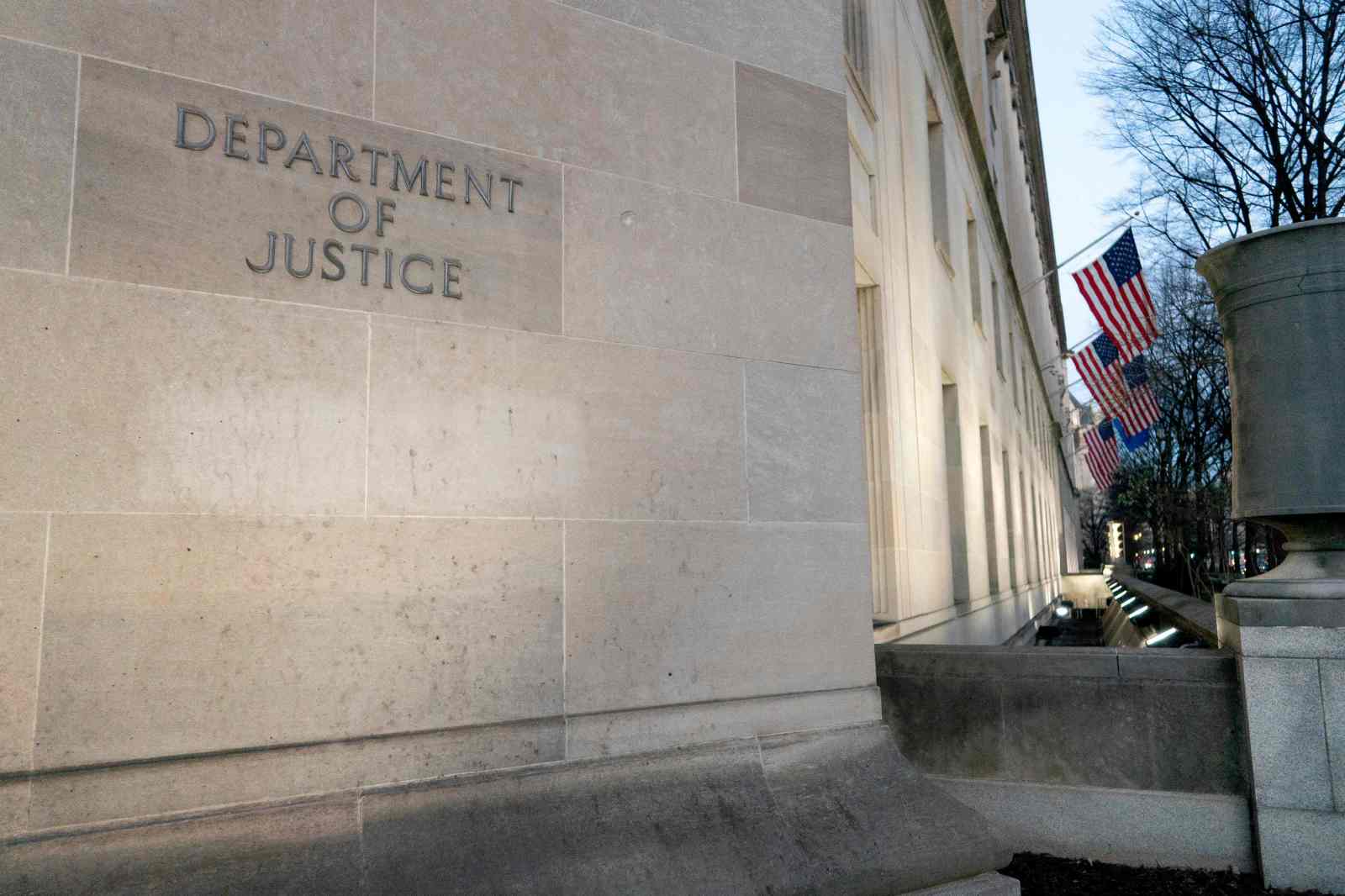
A federal judge has referred U.S. Department of Justice (DOJ) attorneys for potential disciplinary action due to statements made during a subpoena case involving a Rhode Island hospital’s records on gender-affirming care. The subpoena aimed to gather data related to transgender youth, but was quashed by U.S. District Court Judge Mary McElroy last month. McElroy, a Trump appointee, criticized the DOJ for allegedly misrepresenting and withholding information to force compliance from Rhode Island Hospital.
In her ruling, McElroy noted that other federal courts had also limited or quashed similar subpoenas issued to over 20 doctors and hospitals. She expressed concerns about the DOJ’s use of its prosecutorial power, describing it as untrustworthy. The DOJ’s Civil Division disputes McElroy’s findings, considering them baseless after a thorough review.
Details of McElroy’s Ruling
In May, McElroy’s ruling accused the DOJ of breaking the trust of the court. She highlighted discrepancies in the DOJ’s statements to her court and the Northern District of Texas, claiming the DOJ sought a favorable ruling by moving the case to a different jurisdiction. Specifically, she pointed out misleading information provided in a DOJ lawyer’s declaration about Rhode Island Hospital’s compliance and communication.
According to the subpoenas, the DOJ demanded extensive patient information, including birth dates, Social Security numbers, and addresses, for those who received transgender care. The DOJ aimed to investigate potential fraud or illegal drug promotion. This demand included an inquiry into adverse effects of gender-related treatments, including puberty blockers and hormone therapy.
Assistant U.S. Attorney Brantley Mayers argued the investigation focused on potential “misbranding” of medications approved by the Food and Drug Administration. Concerns were raised about pharmaceutical companies possibly incentivizing doctors to prescribe certain drugs. However, McElroy dismissed these arguments, citing the administration’s negative stance on gender-affirming care for minors.
DOJ’s Response to Allegations
The DOJ intends to appeal McElroy’s order and refutes the claims of misconduct. A statement from the DOJ’s Civil Division argues that the accusations against its attorneys are rare and serious and insists their actions were proper. The department stands by its legal team, asserting confidence in their integrity and the appellate process to address the perceived errors in McElroy’s decision.
This article includes reporting by The Associated Press.