
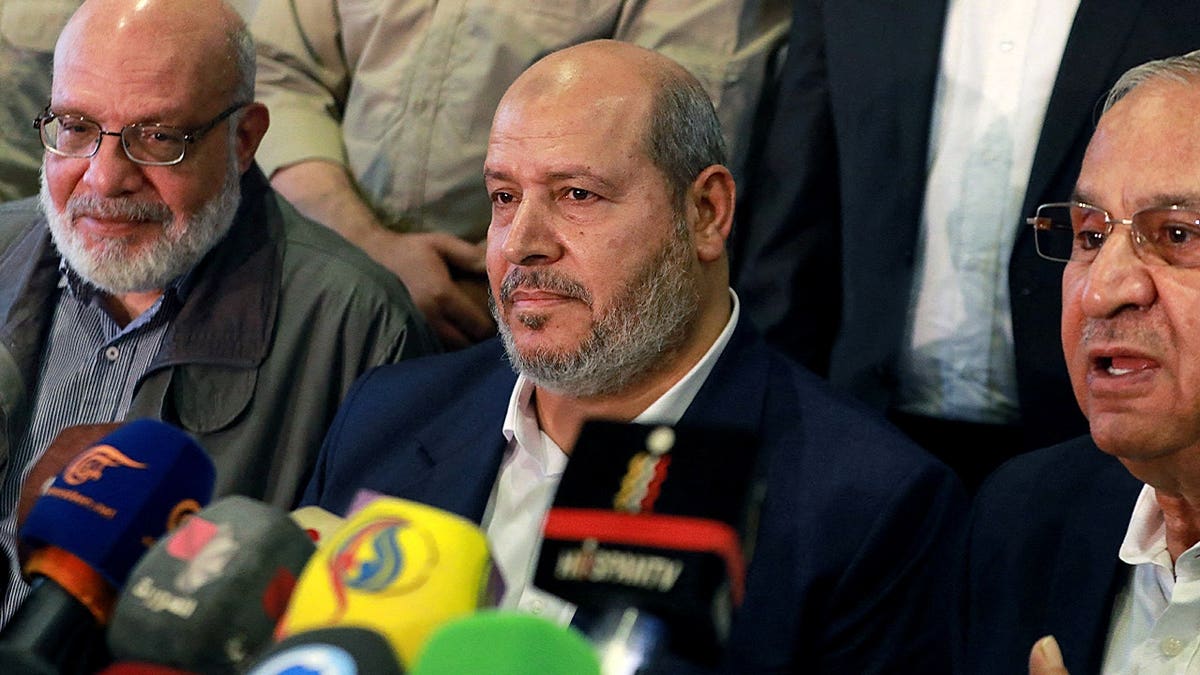
Gazans express growing frustration with Hamas leadership after Israeli actions led to the killing of senior Hamas commanders. Many residents feel that civilians, rather than Hamas leaders, have borne the brunt of the war’s effects.
A longtime figure familiar to Israel, Khalil al-Hayya, has emerged as the new political leader of Hamas. His rise follows a secret election over many months. Despite his new position, experts suggest that Hamas will maintain its usual course.
Veteran Leadership
Middle East Institute Senior Fellow Jaser AbuMousa remarks that al-Hayya’s election does not signify a new direction for the group. Al-Hayya, known for his role as a negotiator and surviving assassination attempts, leads the political bureau of Hamas. His appointment is seen as a move for organizational stability rather than a shift in policy.
Al-Hayya’s family has suffered significant losses due to Israeli operations. Reports indicate he survived an Israeli strike in Qatar in 2025.
Leadership Challenges
The top position in Hamas is dangerous, as evidenced by past assassination attempts. This risk left the leadership chair vacant for nearly two years following the death of previous leader Yahya Sinwar.
“Al-Hayya’s elevation is about continuity, not change,” AbuMousa stated. “He will operate similarly to his predecessors, focusing on maintaining ties with Tehran and keeping military structures intact.”
The leadership change follows severe devastation in Gaza and significant losses. Even with these challenges, Hamas decided to continue with its current strategy.
Persistence in Strategy
AbuMousa stresses that the leadership election was internal, not a public vote. Gazans, who have not voted since 2006, are not directly involved in this decision-making process. Many blame Hamas for their current plight.
The governance model is expected to mirror Hezbollah’s strategy, where visible responsibility shifts, but military power remains intact. Hamas retains control over security and political decision-making.