
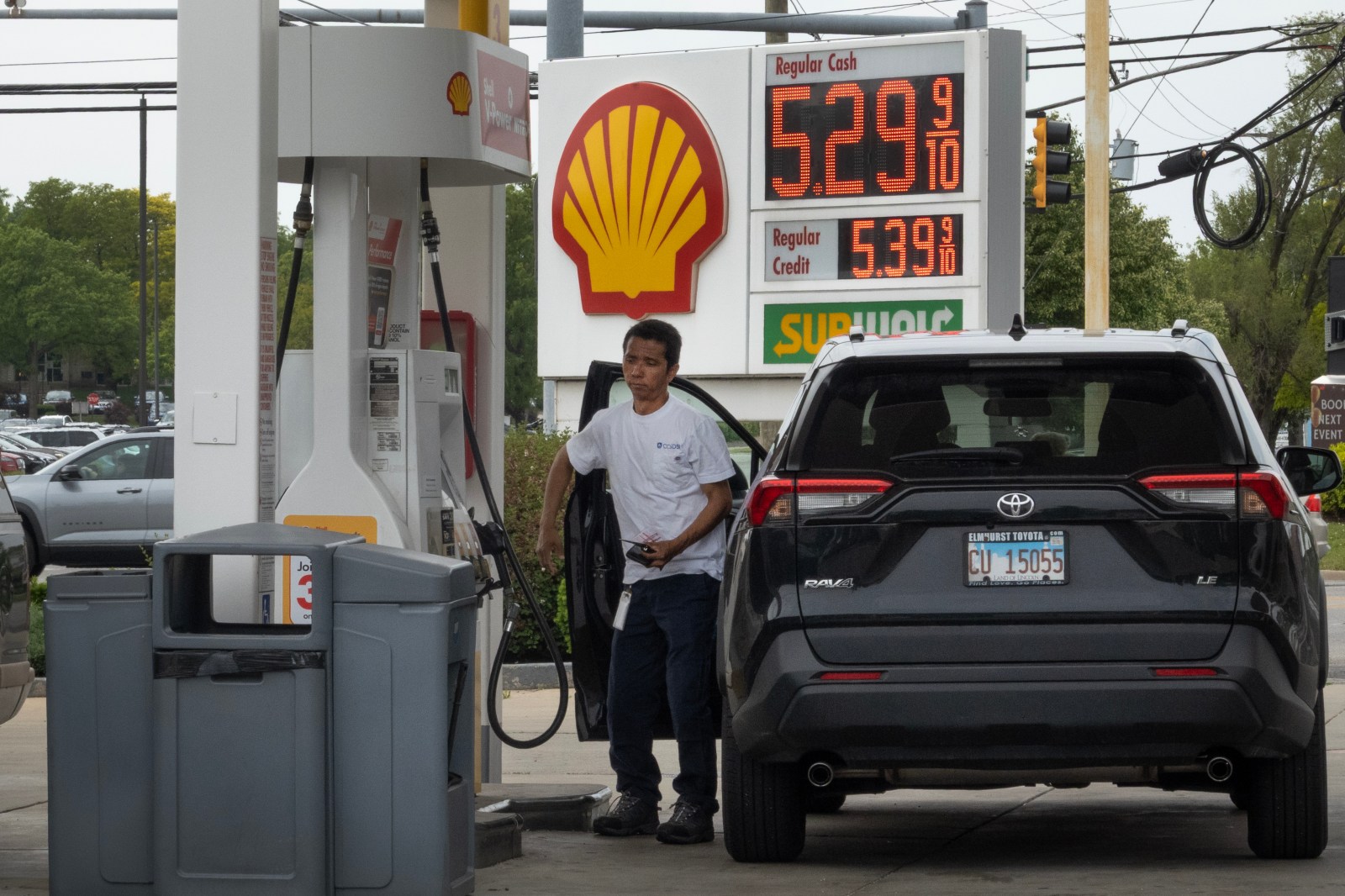
As the summer travel season kicks off, gas prices have hit some of their highest levels in years. AAA data highlights a significant regional disparity. The national average has risen to the mid-$4 range. However, states on the West Coast endure even higher rates, with prices exceeding $6.
In contrast, regions in the South and Midwest still maintain some of the country’s lowest averages. Yet, even these areas have witnessed substantial increases since late February. This widening gap between the highest and lowest gas prices is more pronounced than in several past summers. Updated data reveals which regions face the most pressure at the pump.
States with the Highest Gas Prices at Summer’s Start
As travel for the summer accelerates, gas prices continue to vary greatly across the United States. West Coast states dominate the list of highest average regular gas prices, according to AAA data. The highest prices are observed in:
- California: $6.094
- Washington: $5.752
- Hawaii: $5.655
- Oregon: $5.290
- Alaska: $5.255
- Nevada: $5.243
- Arizona: $4.767
- Illinois: $4.903
- New York: $4.584
- Connecticut: $4.604
These states face persistent higher fuel costs due to factors like environmental regulations, refinery issues, and limited access to less expensive regional fuel supplies.
While the West Coast sees some of the steepest prices since 2022, many areas in the South and Midwest remain below the national average. Still, prices have surged dramatically since late February due to disruptions in global oil markets following the Iran war. This has led to a summer travel season where nearly all drivers are feeling the pinch, some more than others.
The Increased Cost of Traveling 1,000 Miles by Car
The rise in gas prices makes long-distance travel noticeably more costly than last year. Currently, the national average stands at $4.46 per gallon, compared to $3.17 previously. For a car averaging 25 miles per gallon, a 1,000-mile journey requires about 40 gallons of fuel. At current prices, this trip costs roughly $178. Last year, the same distance cost approximately $127, marking a more than $50 increase for a single long trip.
Families preparing for multiple road trips this summer face accumulating costs. A two-car household traveling several thousand miles over the summer might spend hundreds more than in previous years. Analysts forecast that prices will remain high for several months, especially with ongoing disruptions at the Strait of Hormuz, a vital global oil transit route. Even if prices stabilize, long-distance travel costs have already risen significantly compared to last year, prompting many Americans to adjust their travel plans.
Changing Travel Habits Among Americans
Higher fuel prices are already influencing American travel patterns. AAA’s Memorial Day forecast noted a record number of travelers, but many opt for shorter trips or closer destinations. With gas prices more than a dollar higher than last year, travelers are reducing itineraries, minimizing stops, or choosing brief weekend getaways over full-week vacations. This trend aligns with patterns observed during previous gas price hikes; people continue to travel but in a scaled-back manner.
Surveys by GasBuddy and other platforms indicate that rising costs also lead some Americans to skip vacations altogether. While 56 percent report plans to travel at some point this summer, many are delaying trips, cutting nonessential travel, or selecting cheaper accommodations and activities to balance fuel expenses. Strong demand persists, but financial constraints are prompting travelers to reconsider how far they drive and how frequently they vacation.
States Benefiting from Road Trips
States with significant tourism economies, particularly those featuring national parks, scenic highways, and outdoor attractions, gain the most from road-trip travel. Data from Roadtrippers highlight California, Florida, and Texas as top destinations for road-trip planners, drawing a large portion of domestic travel spending. California alone accounts for over 16 percent of all road-trip destinations due to its national parks, coastal routes, and dense attractions.
States renowned for natural landmarks also experience notable economic boosts from road-trip tourism. Arizona, Utah, Wyoming, and South Dakota frequently rank among the most visited states thanks to sites like the Grand Canyon, Zion, Yellowstone, and Mount Rushmore. These states heavily depend on travelers who choose to drive instead of fly to reach outlying parks, small towns, and scenic byways. Despite the rise in gas prices, these regions continue to attract millions of visitors each summer, making road-trip tourism essential to their economies.