
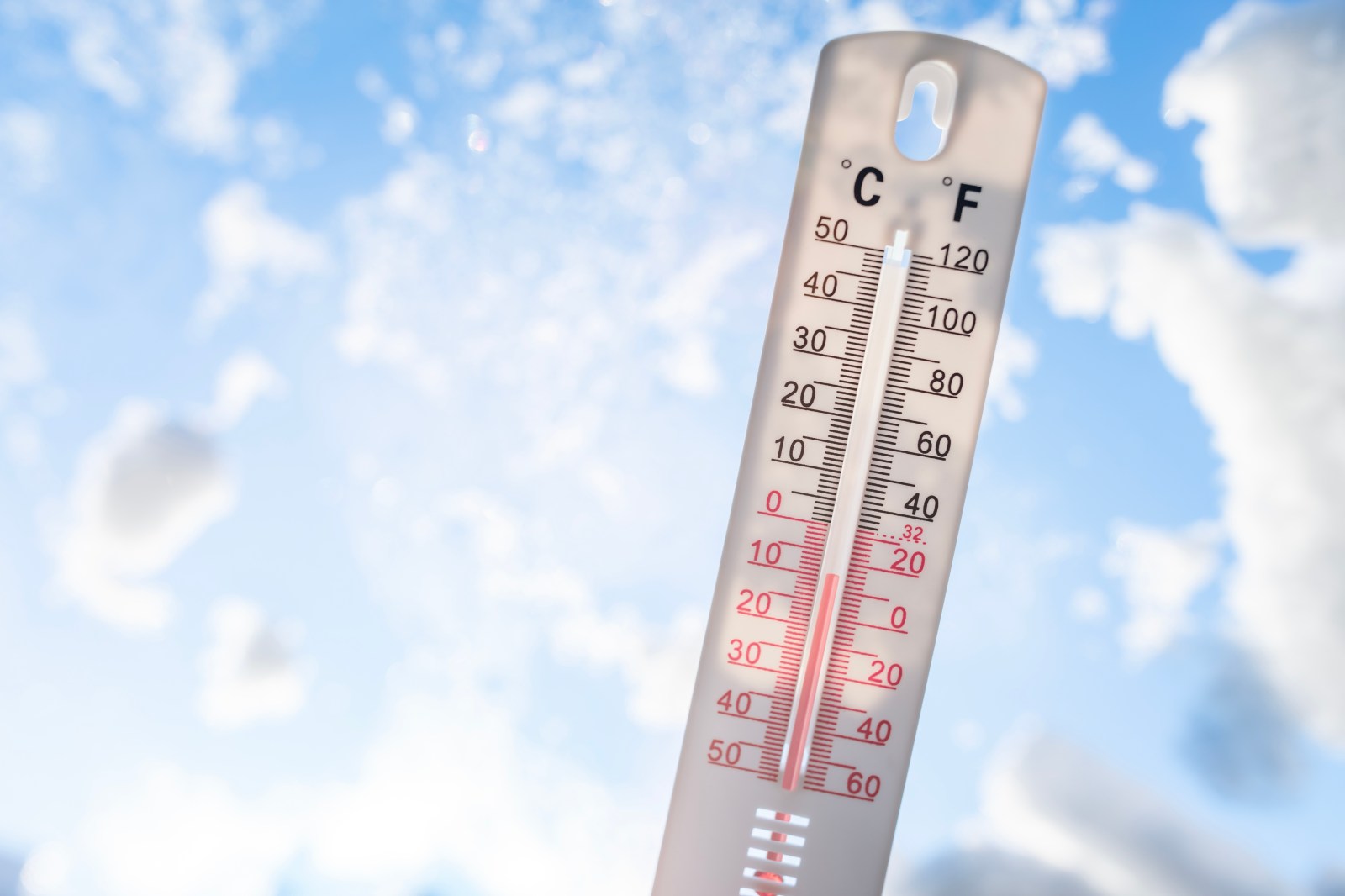
The National Weather Service (NWS) has issued a frost advisory for Tuesday morning in areas of Minnesota, Michigan, and Wisconsin. Additionally, a freeze warning has been issued by the Michigan office due to the sharp drop in temperatures as the fall season begins. Cold air moving from Canada is causing this temperature decline.
Freeze warnings and frost advisories are vital alerts for residents, warning of temperatures cold enough to affect plants and animals. These alerts are usually issued at the beginning or end of the growing season, helping farmers and gardeners protect their crops. Ben Warren, a meteorologist with NWS Marquette, noted that this is the first freeze warning for the area this season. Typically, the first freeze occurs in late September or early October, making this year’s chill slightly premature. “Our normal overnight temperatures this time of year are usually in the 40s,” Warren stated.
Understanding Freeze Warnings and Frost Advisories
A freeze warning, more severe than a frost advisory, is issued when temperatures are expected to fall below 32 degrees Fahrenheit for a prolonged period. Frost advisories are issued when conditions could lead to frost, even if temperatures are above freezing. Ground-level temperatures can be colder than air temperatures where thermometers are placed, leading to frost formation.
Details on the Freeze Warning
The NWS office in Marquette, Michigan, has issued the freeze warning. It takes effect at 2 a.m. Tuesday for Baraga, Iron, and Southern Houghton counties. Expected temperatures could drop as low as 30 degrees Fahrenheit, affecting cities like Kenton, Iron River, Sidnaw, and L’Anse. Residents are advised to protect vulnerable plants and prevent water pipes from freezing by wrapping, draining, or allowing them to drip slowly. Those with in-ground sprinkler systems should drain them and cover above-ground pipes.
Details on the Frost Advisory
Frost advisories are more widespread, issued by NWS offices in Duluth, Minnesota; Gaylord and Marquette, Michigan; Grand Forks, North Dakota, covering its Minnesota area; and Green Bay, Wisconsin. Temperatures are expected to reach 33 or 34 degrees. The advisory warns that frost can damage sensitive outdoor vegetation, potentially killing plants left uncovered.
Influence of El Niño on Winter Temperatures
El Niño, the warm phase of the El Niño-Southern Oscillation cycle, is gaining strength in the Pacific Ocean and could affect U.S. winter conditions. El Niño, already reaching record levels, is predicted to intensify until November or December. In the U.S., it often brings cooler, wetter conditions to the South, while the North experiences warmer, drier weather. It can influence storm paths, types of precipitation, and result in extreme cold spells.
Looking Forward
These frost advisories and freeze warnings will expire once the sun rises and temperatures rise on Tuesday. As fall progresses, similar warnings are expected across the country. Despite the cooler current conditions, the NOAA Climate Prediction Center forecasts a high likelihood of above-average temperatures across much of the U.S. through October 5, according to its latest outlook.