
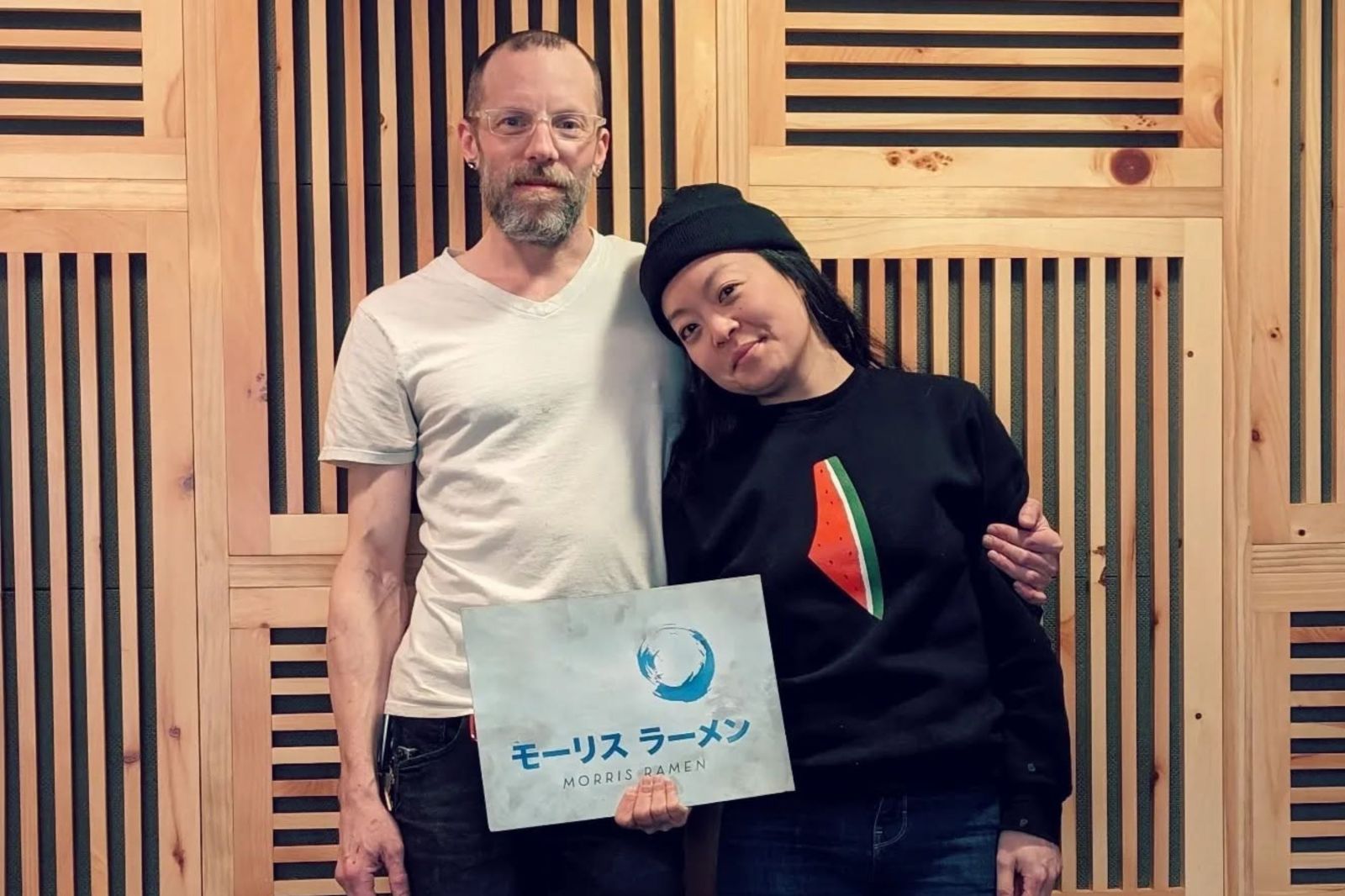
Francesca Hong first stepped into Wisconsin politics amidst her experience at a popular ramen shop in downtown Madison. In December 2016, Hong and her then-husband Matt Morris, alongside restaurateur Shinji Muramoto, opened Morris Ramen. This establishment quickly became a key player in Madison’s culinary scene, allowing Hong to build both a business and a personal life. She and Morris balanced running the restaurant with raising their son until the restaurant’s closure in February 2024.
Despite no longer being married, Hong and Morris forged a partnership in both marriage and business, with the ramen shop serving as a significant factor that propelled Hong into politics. On Tuesday, Hong emerges as the front-runner in the Democratic primary for governor.
Meet Matt Morris
Matt Morris is well-rooted in Madison’s Japanese dining scene. He honed his skills working under Muramoto at Restaurant Muramoto and spent several months in Japan refining his culinary techniques. Upon returning to Madison, he began laying the groundwork for what would become Morris Ramen.
The restaurant opened its doors at 106 King Street, taking over a site previously home to RED, a sushi restaurant. It wasn’t just the business that connected Hong and Morris; they shared similar upbringings in Madison as children of teachers, both leaving college without completing their degrees.
The Marriage and Business
Hong and Morris met within Madison’s vibrant restaurant community, which ultimately led to their marriage in 2012. Their professional paths intersected when Hong, once a chef at Muramoto, returned to work alongside Morris, then a sous chef.
The couple welcomed their son in 2016 while preparing to open Morris Ramen later that year. The restaurant demanded 12 to 15-hour workdays initially, but after a few successful years, they established a more regular schedule. Hong recalls the community’s support for their simple menu and the camaraderie among staff that felt like a family extension.
As time went on, both their marriage and business partnership ended. Hong acknowledged the intense focus on their work and child as contributors to the separation, stating, “We didn’t make enough time to honor each other as individuals.” Still, they remained a solid team through the transition.
Closure of Morris Ramen
The journey of the restaurant is intricately linked with Hong’s political awakening. In March 2020, the COVID-19 pandemic forced the closure of their dining room under Wisconsin’s stay-at-home order. Despite the challenges, Hong advocated for restaurant workers’ rights, including rent assistance and forgivable loans.
“I was mouthing off on Twitter and I started letter writing campaigns,” Hong told Meal Magazine. This activism, coupled with encouragement from industry peer Jonny Hunter, inspired her to enter politics. Later in 2020, she successfully secured a seat in Wisconsin’s 76th Assembly District, marking her as the first Asian American in the state Legislature.
Hong used her political platform to address industry concerns like eliminating Wisconsin’s tipped minimum wage. Ultimately, rising costs led to Morris Ramen’s closure in early 2024, despite efforts to provide fair wages without escalating prices. Currently, she continues to work shifts as the “only wage worker” in the governor race.
Where is Matt Morris?
After the ramen shop closed, Matt Morris has kept a relatively low profile.
Challenges in the Campaign
As Hong campaigns for governor, her opponents focus on her progressive past and ties to the Democratic Socialists of America. Critics argue whether her platform would hinder a win against Republican Tom Tiffany in November.
Some, like former Obama adviser David Axelrod, worry nominating her may jeopardize Democratic control in Wisconsin. However, Hong maintains that her policies resonate with voters, centering on public education, childcare, and cost of living issues.
Recent polls show Hong leading in the Democratic primary, drawing strong support from younger voters and those favorable to democratic socialism. Her policies contrast the conservative voters’ ideologies, emphasizing affordability and public welfare improvements.
The upcoming November elections pose high stakes amid Wisconsin’s finely balanced political landscape, with high voter turnout anticipated from Democrats, Republicans, and independents alike.