
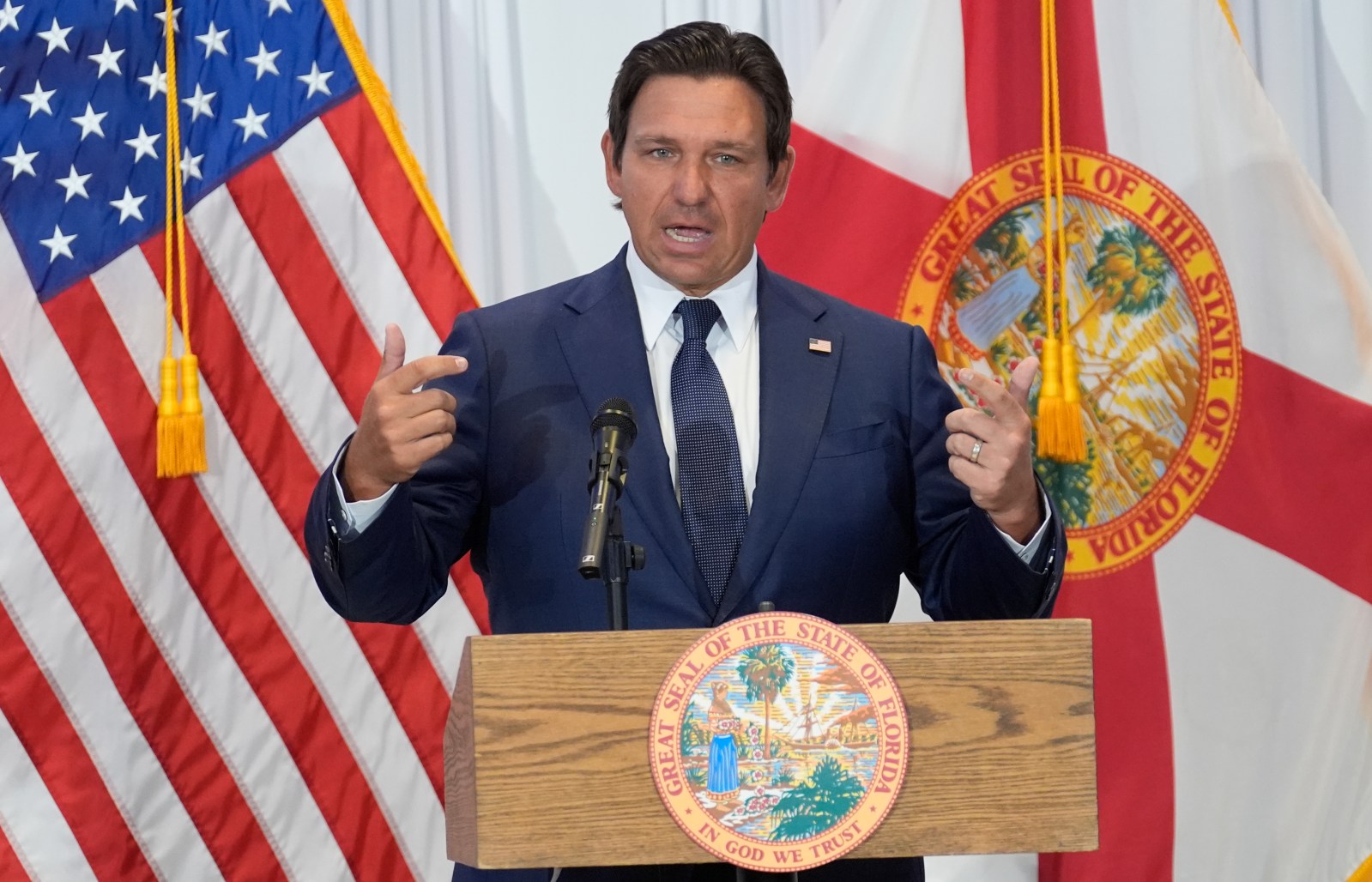
Florida Governor Ron DeSantis has taken a stand against the rapid growth of AI data centers, emphasizing that residential utility customers should not bear the financial burden. In May, he signed legislation aimed at preventing the costs associated with AI data centers from impacting residential electricity bills. This legislation places Florida among the pioneer states in implementing consumer protections against the stress such data centers place on power grids.
During the bill-signing event, DeSantis stated, “You should not, as a hard-working Floridian, have to subsidize some of the wealthiest companies in history.” Despite this public stance, his administration supports substantial tax incentives to attract tech companies to Florida. This presents state leaders with the challenge of fostering a high-tech economy without shifting financial responsibilities onto taxpayers.
DeSantis’ Legislative Actions on AI Data Centers
Senate Bill 484 mandates that large-scale AI data centers cover their full utility service costs. This measure also ensures local governments maintain authority over zoning and land use, allowing for stricter standards or outright denial of development proposals. While the bill passed, it faced adjustments that weakened parts of its initial draft, removing clauses that would have prohibited officials from signing nondisclosure agreements with developers.
Attracting Data Centers to Florida
Since July 2017, Florida has sought to attract tech infrastructure through tax exemptions for data centers. These policies remove sales and tax obligations on infrastructure, equipment, and electricity for data centers, with recent amendments targeting larger projects starting in 2025. To qualify, facilities must now invest at least $150 million and support a 100-megawatt IT load, which raises the bar from the former 15-megawatt requirement. The incentive is set to expire on June 30, 2037.
With backing from Governor DeSantis, Florida’s tax incentive program has attracted companies like Iron Mountain, Metrobloks, and TensorWave, all operating in the Miami area. These companies maintain that such incentives encourage local investment and are not taxpayer-funded. They point to significant property tax contributions that benefit local infrastructure and services.
Looking Ahead
As DeSantis is term-limited and will leave office in January 2027, the responsibility for Florida’s tech-energy policies will pass to his successor. Representative Byron Donalds, a frontrunner for the upcoming governor race, supported the original 2017 data center tax exemption. He promises to uphold consumer protections while ensuring tech companies fulfill their power demands and safeguard Florida’s natural resources.
Local sentiment on AI data centers remains skeptical. A Gallup survey indicates that 70 percent of Americans oppose these facilities in their communities. In Florida, support for utility protection laws reflects public opinion, with nearly 90 percent approval according to a Sachs Media poll. Several local governments in Florida have temporarily paused large data center projects due to environmental and resource concerns.
For more information, contact Newsweek editors Ben Kelly and Anthony Murray.