
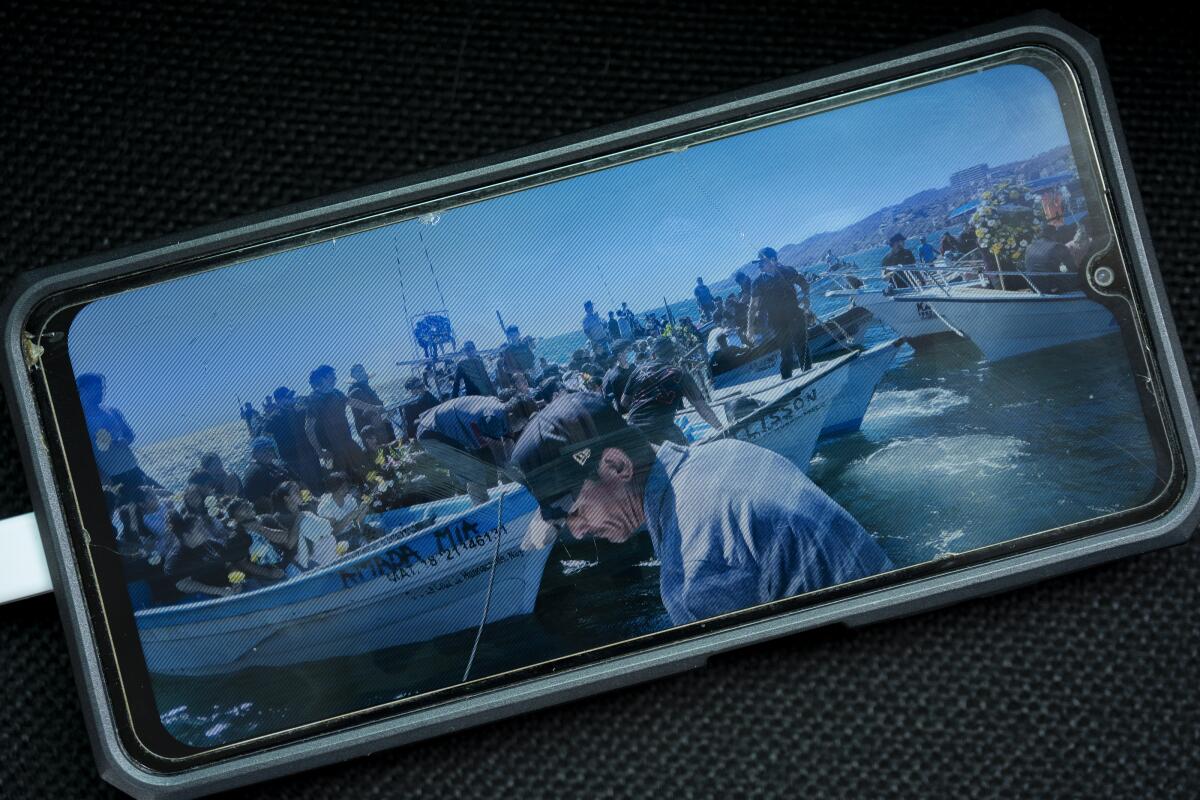
La Cruz de Huanacaxtle, Mexico – Early one morning in February, two boats set sail from Mexico’s Pacific coast, carrying eight fishermen. The vessels never returned. Drug traffickers who employed the fishermen to assist in cocaine smuggling claimed the boats were bombed by the US military. The US released videos of two missile strikes, stating they killed eight ‘narco-terrorists’ in the Pacific.
The loss of lives has highlighted the spread of maritime narcotics trafficking and how some Mexican fishermen are drawn into the drug trade. Fishing communities like La Cruz de Huanacaxtle, located near Puerto Vallarta, are unsettled by the fear of misidentification as cartel affiliates.
Washington has threatened to bomb cartel targets in Mexico. Mexican President Claudia Sheinbaum opposes these possible incursions, asserting that Mexicans will not accept breaches of territory by land, sea, or air.
A Times investigation revealed that US airstrikes had indeed hit Mexican vessels bearing Mexican citizens in international waters. These included strikes on February 16, which killed the eight fishermen from Nayarit state. Five more Mexicans have died in US boat strikes elsewhere in Latin America, casualties of the Trump administration’s renewed campaign against alleged drug traffickers.
“They knew the risks,” said Father Rigoberto Cruz, a Catholic priest from La Cruz de Huanacaxtle. “Those mourning understand why it happened.”
US strikes against drug boats have resulted in 221 deaths since September. Human rights advocates and lawmakers criticize the actions as ineffective and illegal. Although attacks on other nations’ mariners have been reported, Mexican casualties have gone unrecognized by the Mexican government and international community.
The US has not disclosed specifics of its 64 strikes, only stating they occurred in the international waters of the Pacific Ocean or Caribbean Sea. Mexican authorities have confirmed no incidents within Mexico’s Exclusive Economic Zone, which extends 200 nautical miles from its coast.
Nonetheless, the phenomenon of disappeared mariners coinciding with US-reported strikes has been observable across Mexican coastal towns. Families of missing fishers have sometimes been informed by local officials and organized crime that US missiles were responsible.
There is rising concern over the ethics of these US strikes, with some legal experts classifying them as extrajudicial killings. Tensions in US-Mexico relations have heightened as President Trump labeled drug cartels as terrorist organizations, formalizing an ‘armed conflict’ with them.
A young fisherman in La Cruz de Huanacaxtle expressed his fear of becoming an unintended target of US bombs while pursuing legal fishing activities offshore.
In the broader scenario, Mexican fishermen have traditionally supplemented their incomes by aiding in drug movements north. Economic hardship sometimes pushes them to accept such roles, though this makes them vulnerable targets.
The designation of drug gangs as terrorist groups by the Trump administration has made vessels aiding them legitimate military targets, according to their policy. Human rights advocates and many legal experts dispute this, highlighting a lack of clear targeting criteria. Some lawmakers also assert there’s no necessity for targets to carry drugs or weapons.
The social and political consequences of US military actions on Mexican waters cast a shadow over its efficacy, as cocaine prices in the US remain stable, and border seizures haven’t significantly declined.