
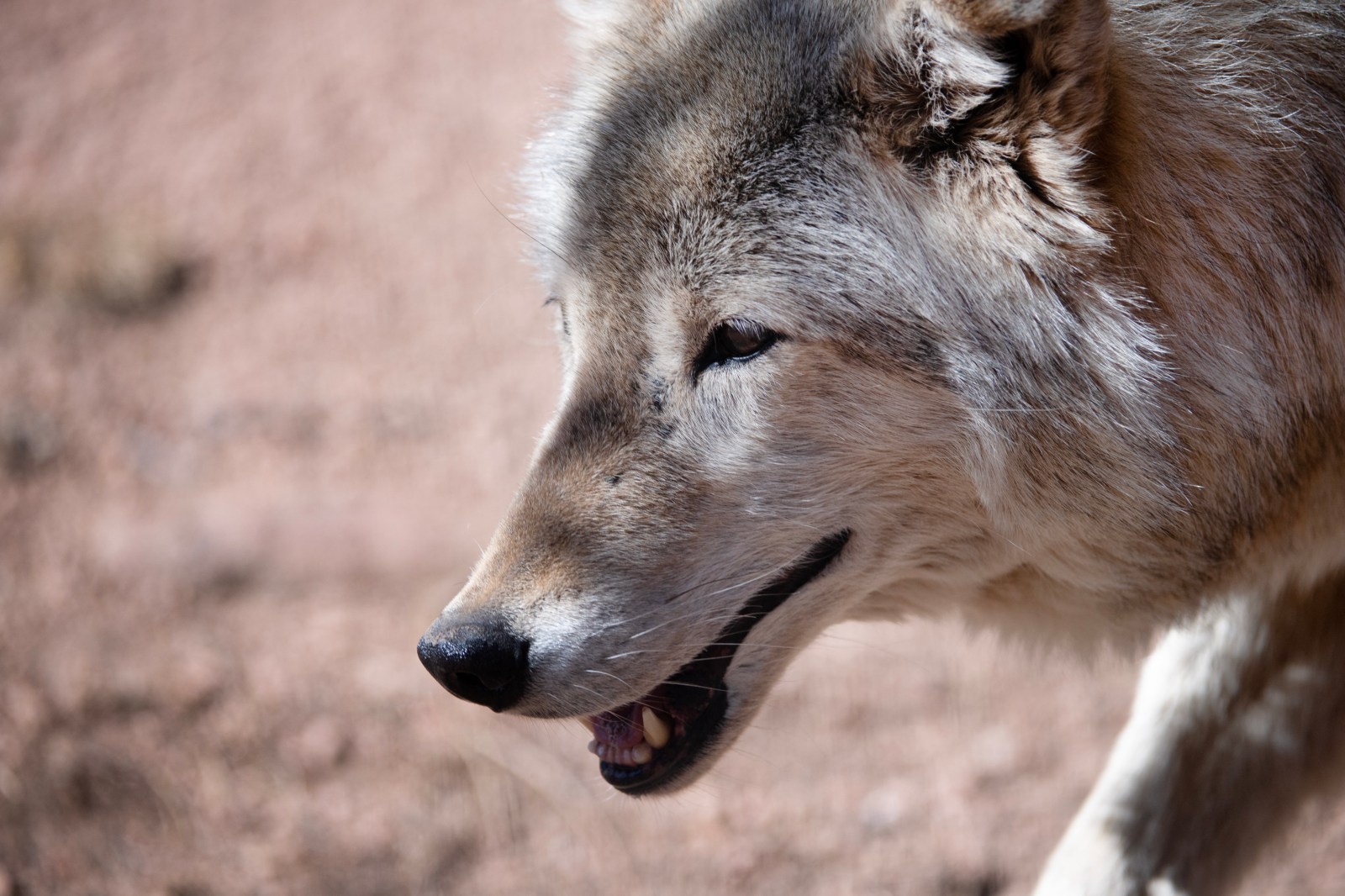
President Donald Trump has initiated a federal review of the endangered status of gray wolves and Mexican wolves. This decision could lead to changes in their protections under the Endangered Species Act (ESA) across the United States.
Executive Order Details
Under the executive order signed on Friday, the Interior Secretary must assess whether these wolves should be delisted or downlisted. If needed, rulemaking will begin to modify their status. The order also includes directives for legislative recommendations, improved coordination with states, updated compensation for livestock losses, and simplified processes for lethal wolf removal when necessary.
Current Gray Wolf Populations
Data from the Wolf Conservation Center, sourced from wildlife agencies, shows the following gray wolf population estimates across different states:
- Alaska: 7,700-11,200 (2017)
- Minnesota: 2,919 (winter 2022-23)
- Wisconsin: approximately 1,200 (2024-25)
- Idaho: approximately 1,129 (2025)
- Michigan: 762 (2023)
- Montana: 725 (2025)
- Washington: 270 (April 2026)
- Wyoming: 253 (December 31, 2025)
- Oregon: 230 (April 2026)
- New Mexico: 175 Mexican gray wolves (2025)
- Arizona: 142 Mexican gray wolves (2025)
- California: around 55 (May 2026)
- Colorado: 32 (March 2026)
Implications of the Order
The executive order does not immediately remove federal protections for wolves. According to the U.S. Fish and Wildlife Service, a formal delisting process would involve evaluating if recovery threats have decreased, publishing a proposed rule, gathering input from the public and experts, and issuing a final rule or withdrawing the action.
The administration states that this review aims to assist ranchers in dealing with livestock predation and to alleviate industry concerns over increased beef imports. Interior Secretary Doug Burgum emphasized the administration’s commitment to reducing consumer prices and aiding ranchers.
Industry and Conservation Responses
R-CALF USA’s President Dave Hyde acknowledged that the orders support cattle producers, although not solving all issues immediately. Agriculture Secretary Brooke Rollins stated that the measures are designed to help ranchers and farmers manage predator threats.
Conversely, Humane World for Animals warned that reducing protections could jeopardize wolf recovery efforts. Meanwhile, Greta Anderson from the Western Watersheds Project criticized the decision as a diversion to appease ranchers and distract from other policy issues.