
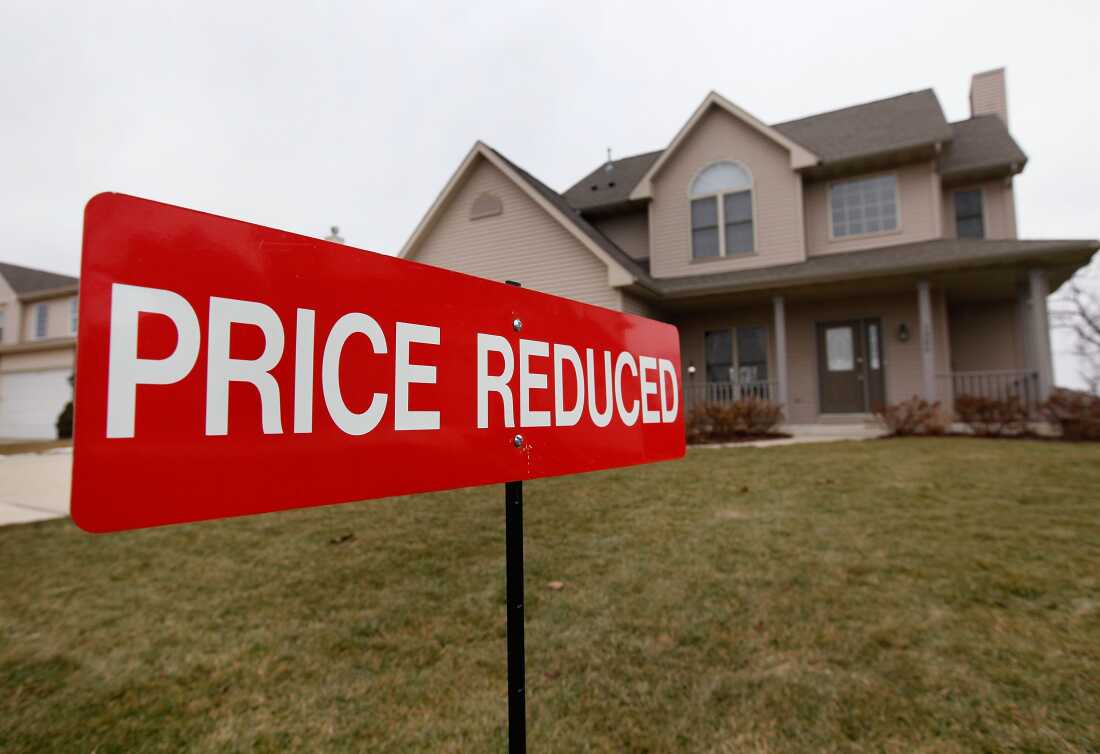
The housing market in Denver and other regions is witnessing a notable decline in home prices. According to the S&P Cotality Case-Shiller Home Price Index, Denver experienced over a 2% drop year-over-year, and more when adjusted for inflation. Rents are falling even faster.
Karl Baumgartner, a 29-year-old internal medicine resident in Denver, shared his excitement over the falling rents, allowing him to move to a larger apartment with better amenities. This trend benefits renters like Baumgartner, yet poses important economic questions.
Economic Implications of Falling Prices
Falling home prices can affect homeowners and landlords adversely. Economists debate whether decreasing housing costs are a positive or negative economic indicator. High prices typically motivate builders, leading to increased supply and eventual price reduction, aligning with the principles of the YIMBY (Yes In My Backyard) movement. However, a decline might also indicate economic distress.
Negative Consequences of Falling Prices
Detroit provides a clear scenario where falling prices signify economic trouble. Socioeconomic issues led to a population decline and massive 80% drop in home prices during the 2000s housing bust, resulting in neighborhood disrepair and a significant loss of generational wealth.
Daryl Fairweather, the chief economist at Redfin, explains the ‘wealth effect,’ where decreasing home values may cause homeowners to feel poorer and reduce spending. Eric Zwick from the University of Chicago notes the danger of debt when home values fall below mortgage levels, a contributor to the 2008 financial crisis.
Debt escalated financial distress during the crisis, magnified by lax lending standards and Wall Street’s risky mortgage securities. Declining home prices can also negatively affect sectors like construction and reduce city tax revenues.
Positive Aspects of Falling Prices
Conversely, cheaper housing can boost spending and economic growth. In thriving areas like Denver, a robust economy and high job growth suffer from lack of affordable housing, impeding economic expansion. Lower rents can relieve financial pressure on renters, freeing income for other expenditures.
Misha Fisher from Zillow highlights the benefits of reduced housing income allocation, potentially encouraging spending in other economic sectors. Furthermore, affordable housing may promote family formation, enhancing community and economic vitality.
Determining Good or Bad Price Declines
How can we assess if price falls are beneficial or detrimental? Economists consider factors like supply increases versus demand decreases. Demand-driven declines often indicate economic issues, while supply-driven price reductions suggest healthy market conditions.
Land values provide insights, with decreasing values indicative of economic distress, and stable or increasing values signaling a strong economy with adequate housing.
The ‘price to income’ ratio reflects area affordability, supporting good economic signs when housing costs decrease while incomes rise.
The scale and speed of price declines are also crucial, with gradual decreases posing fewer risks than sudden drops, which can destabilize the economy.
The Case of Denver
In Denver, experts attribute the price decline primarily to an increase in housing supply, rather than drastic demand changes. The city has significantly expanded its housing inventory in recent years, a positive sign. While migration patterns show cooling demand, the price fall is not dramatic enough to cause concern.
Overall, Denver’s situation may illustrate a scenario wherein housing becomes more affordable without triggering broader economic distress, providing benefits for renters like Baumgartner.