
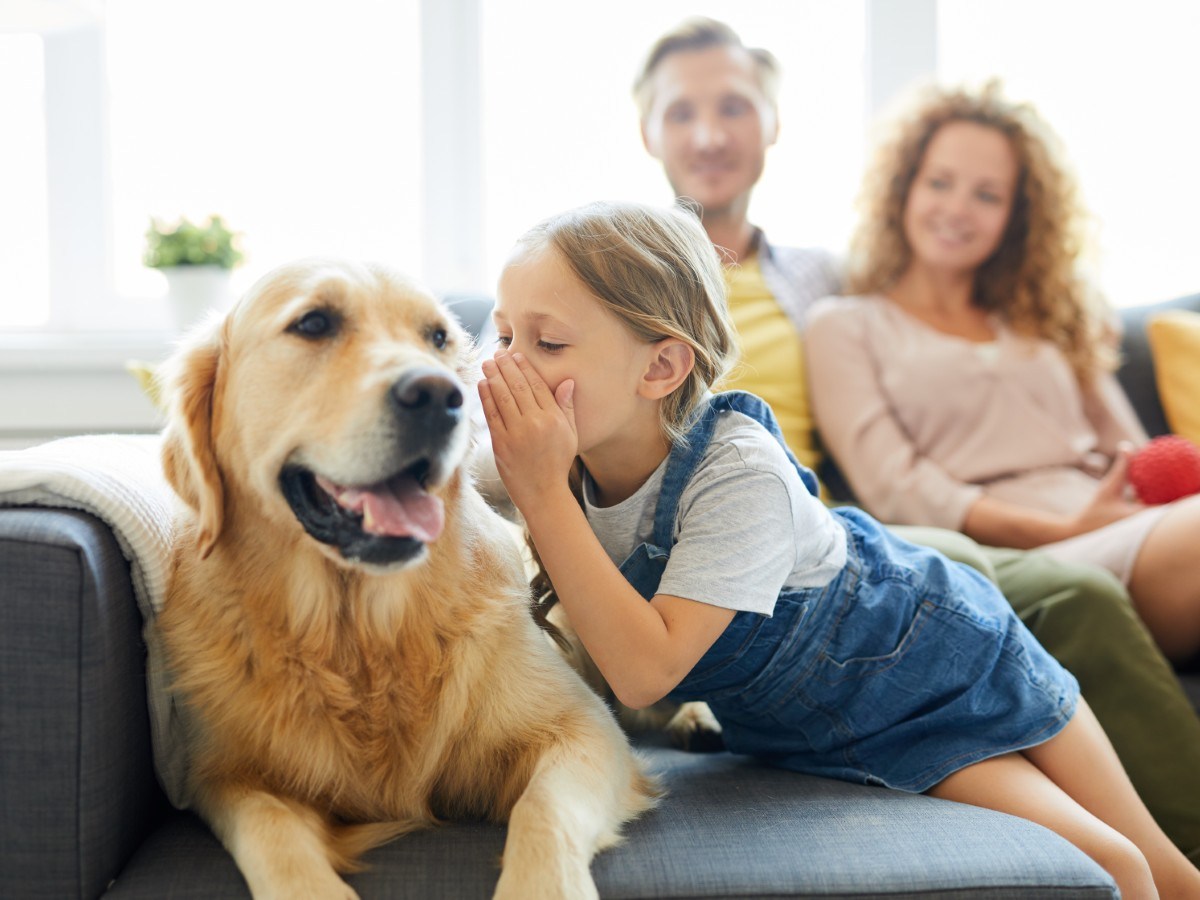
Researchers at the University of Arizona have explored the impact of how pet owners communicate with their animals on human well-being. The AURAL-Pet system, developed for analyzing human-pet dialogue, provides insights into these interactions. This research was published in Frontiers in Psychiatry on August 4.
The Study’s Findings
The study lead, Dara Jonkoski, emphasized the importance of understanding variations in human-pet interaction styles. She suggested that such insights could guide pet owners toward practices that enhance well-being for both parties. To test AURAL-Pet, researchers analyzed 5,072 recordings of interactions involving 240 participants. They used an electronically activated recorder, known as ‘EAR.’ Results indicated that the system could be reliably used in future human-pet studies.
AURAL-Pet translates daily audio recordings into a measurable account of someone’s relationship with their pet,” Jonkoski stated. “It assesses interaction frequency and nature by simply evaluating these exchanges.
Common themes in the recordings included narrations of personal thoughts or actions, descriptions of pet behaviors, and discussions of the weather and future plans.
Megan Mueller, from Tufts University, commended AURAL-Pet as an innovative tool for analyzing human-animal relationships. She noted that speech patterns with pets offer insights into the emotional aspects of these relationships.
Implications for Human-Pet Interactions
The coding system comprises 30 variables capturing various human-pet interaction behaviors. These include walking with a pet, using baby-talk, and conversing with a pet as a human confidante. Jonkoski clarified that AURAL-Pet does not promote engaging in conversations with pets. Instead, it quantifies existing interactions ranging from the ordinary to the complex.
Currently, AURAL-Pet is being utilized in the C.A.R.E. study at the University of Arizona. This research analyzes mental health and well-being data from adults over 60. The system aids in examining whether positive pet interactions correlate with improved mental health outcomes.
Using this dataset, questions such as the link between positive pet interactions and human mental health are being explored.
Contact Newsweek editors on this story: Kara Dolman and Emma Lee-Sang.