
Historical Tax Exemption
In 1848, Illinois legislators exempted Northwestern University from property taxes due to its 1851 charter. This historic exemption remains a challenge for Evanston officials trying to gain more funds from the city’s largest employer. On July 27, despite efforts to propose an advisory referendum, the City Council voted against it. This referendum aimed to ask voters whether Northwestern should pay an equivalent tax amount when using its property for commercial purposes.
The Tie Vote and Its Implications
The Council tied 4-4, with Ald. Juan Geracaris abstaining due to his employment with Northwestern. Without Evanston Mayor Daniel Biss present to break the tie, the question won’t appear on the November ballot. Illinois law mandates real estate taxes, yet allows exemptions for certain entities like schools. Northwestern’s exemption, granted before the state’s 1870 constitution, means its property remains tax-free indefinitely. The university is among only 80 institutions holding such privilege.
Commercial Ventures on Tax-Exempt Property
Northwestern operates commercial ventures such as childcare centers and restaurants on its land without paying property taxes. Ald. Parielle Davis champions requiring Northwestern to make payments in lieu of taxes (PILOT). The proposed referendum included language allowing Northwestern to avoid payment if approved by a majority of the City Council for commercial uses. Davis emphasizes taxing Northwestern as a nonprofit, reflecting its status.
Debate over Referendum Efficacy
Some council members argue Northwestern’s exemption is unfair. Yet, introducing new language or referendum questions may complicate rather than resolve issues. Ald. Bobby Burns questions the necessity of a formal referendum, suggesting dialogue and assessment of legal practicality. Ald. Jonathan Nieuwsma acknowledges potential voter support but sees limited problem-solving through non-binding referendums.
Past Agreements and Strategic Engagements
Nieuwsma references Evanston’s zoning approval for Northwestern’s Ryan Field stadium, highlighting benefits gained from negotiation. He cautions about choosing battles wisely, doubting the efficacy of a referendum approach. Ald. Davis advocates proactive measures for future projects.
Legal Challenges and Corporate Counsel Remarks
Evanston Corporation Counsel Alex Ruggie mentions legal challenges to the charter, upheld by supreme courts. Northwestern’s unique exemption stands out, unlike other Illinois universities. Suggestions arise on increasing vote thresholds for approvals if Northwestern denies tax payments.
Mixed Opinions on Referendum
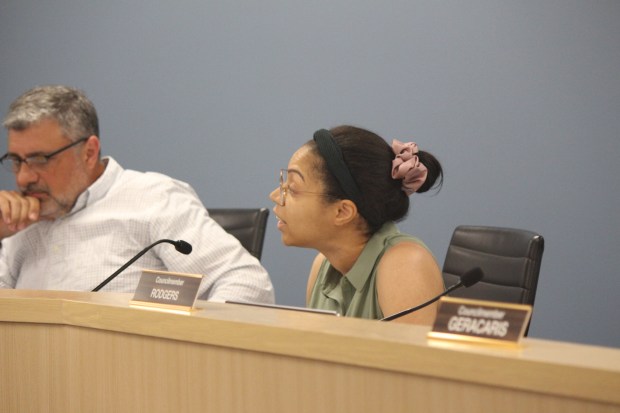
Ald. Matt Rodgers supports the referendum and subsequent legislation addressing the tax matter. The tie vote reflects Evanston’s cautious approach towards challenging its affluent institution.
Conclusion: Navigating Legal and Financial Concerns
The exemption has posed annual challenges for Evanston. Nieuwsma notes potential financial and legal repercussions of engaging Northwestern over the tax issue without a referendum.