
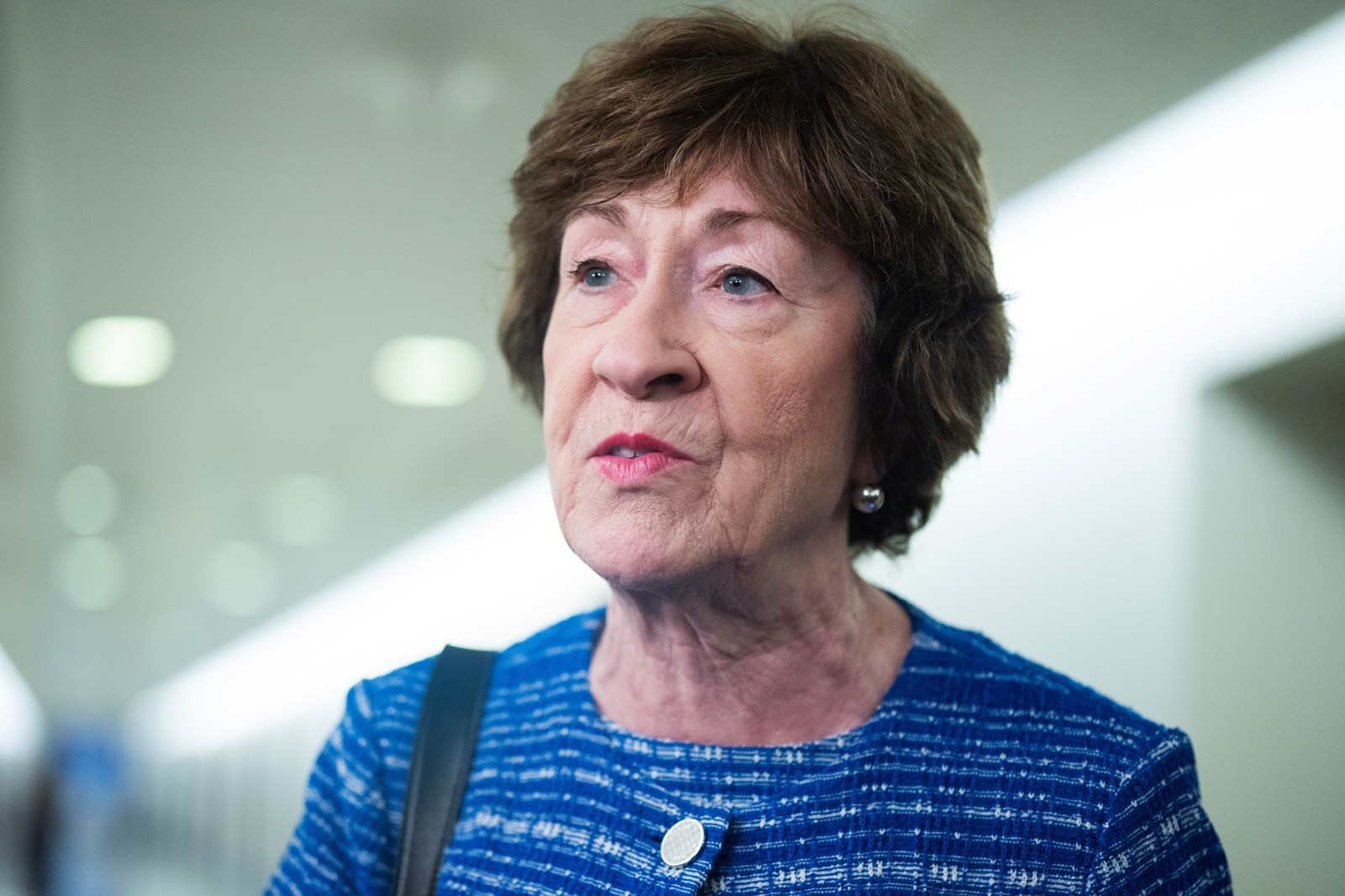
Senator Susan Collins faces economic challenges in her bid for reelection due to surging home heating oil prices, particularly as the 2026 midterm elections approach. These price increases pose a threat to Republicans nationwide as they defend their congressional majorities with the elections just weeks away. Rising costs are attributed to disruptions in the Strait of Hormuz, a vital passage for global oil, amid the ongoing Iran war.
Collins encounters specific issues in Maine, the state most dependent on home heating oil. The Northeast Gas Association states that over 50 percent of Mainers rely on oil as their primary heat source. Prices have steadily escalated as winter nears, adding to the financial strain on residents who are considering whether to support Collins for another term.
Statewide home heating prices averaged $6.02 per gallon last week, as reported by the Maine Department of Energy Resources (DOER). This marks a significant increase from $3.33 per gallon the previous year. Conservative, rural areas face even higher costs. The previous price peak was in May 2022 when prices reached $5.92 per gallon due to post-pandemic inflation.
“Heating costs are always significant in Maine,” said Mark Brewer, political science professor at the University of Maine. “It’s cold here. Winter is long. Fuel costs are a major concern, especially when they surge as much as they have now.”
Collins’ campaign is worried about the rising heating prices. She already faces a tough battle against Democrat Troy Jackson, the former Maine Senate president. The affordability of energy remains a major issue for voters. Trump’s approval rating has fallen since initiating strikes against Tehran, with voters attributing the rise in costs to the war. Jackson and his supporters argue that Collins supports Trump’s policies, potentially impacting her campaign.
Regions like Northern and Central Maine have even higher prices of $6.05 and $6.09 per gallon, respectively. Brewer points out that Jackson might not win these conservative areas, but could reduce Collins’ lead by emphasizing high heating costs. Meanwhile, Collins is likely to promote her efforts to secure federal assistance through the Low-Income Home Energy Assistance Program (LIHEAP) to help Mainers with energy expenses.
Democratic Criticism
Jackson’s campaign criticized Collins for her role in rising energy costs. According to spokesperson Cheyenne Gallivan, Collins has consistently supported policies that raise energy expenses. Collins’ alignment with Trump’s policies, such as the ongoing war, has exacerbated heating oil price hikes.
Maine Democratic Party spokesperson Misha Linnehan accused Collins of supporting Trump’s military actions. Linnehan noted that Maine families face record heating costs as the war continues. Collins shifted her stance by voting for resolutions restricting Trump’s war powers.
Efforts to Reduce Costs
Senators Collins and Angus King urged Trump to release oil from the Northeast Home Heating Oil Reserve to mitigate price increases. They highlighted Maine’s vulnerability due to its heavy reliance on imported heating oil. Collins announced $421 million in LIHEAP funding to assist Mainers, providing relief to avoid choosing between heating and basic needs.
Polling and Predictions
Polls indicate a tight race between Collins and Jackson. A recent poll showed Collins leading by 3 points, while others favored Jackson. Prediction markets anticipate Jackson winning over Collins, reflecting traders’ current sentiment but not guaranteeing future outcomes.
Impact on Senate Majority
The Maine Senate race is crucial in Democrats’ quest for Senate control. Democrats aim to flip Republican-held seats in competitive and conservative areas to gain a majority. With seats at risk in states like Georgia and North Carolina, Democrats are hopeful despite a challenging political map. The outcome in Maine could significantly affect the balance of power in the Senate.
Political forecasters classify the Maine race as a toss-up, emphasizing its competitiveness in the midterm elections.