
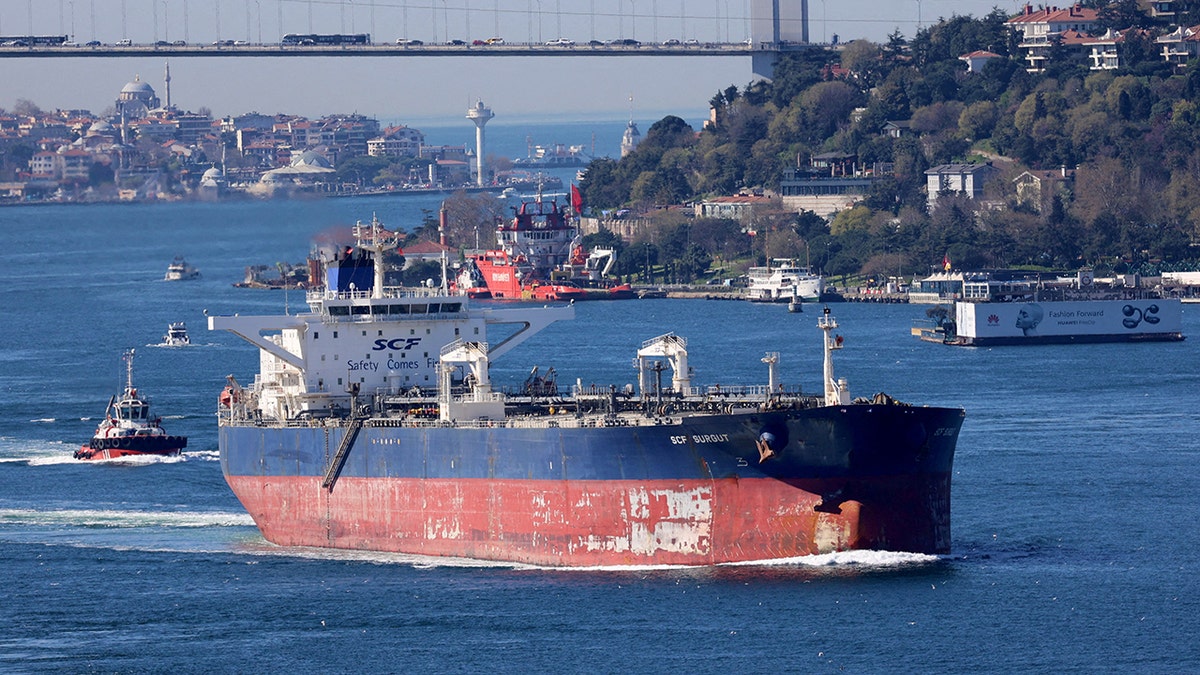
Despite increased defense spending and efforts to reduce dependence on Russian energy, European Union countries continue to rely on Russian liquefied natural gas (LNG). This provides Russia with substantial revenue while it wages war in Ukraine.
A commercial shipping data analysis conducted by environmental watchdog Urgewald reveals significant spending on Arctic LNG purchases by European nations in the first half of 2026. Using data from trade intelligence platform Kpler, the analysis shows that of 140 cargoes exported from Russia’s Yamal LNG project between January and June, 136 were delivered to European Union ports. In contrast, China received only four cargoes during the same period. These shipments were estimated to be valued at approximately €5.96 billion, or $6.8 billion, based on European natural gas benchmark prices.
Contradictions in Energy Strategy
These findings highlight a significant contradiction faced by Europe four years into Russia’s invasion of Ukraine. While European governments aim to sever ties with Russian fossil fuels, Russian LNG payments continue during the energy transition. France received 51 cargoes from the Yamal LNG project, Belgium received 37, and Spain received 34 in the first six months of 2026, reflecting the ongoing demand for Russian LNG.
A NATO commitment to increase defense spending to 5% of GDP adds pressure on European nations to bolster their defense capabilities while managing significant energy revenues for Moscow.
European Commission spokesperson Anna-Kaisa Itkonen noted, “The increase likely reflects frontloaded deliveries and adjustments to contractual arrangements ahead of tighter restrictions.”
European legislation aims to phase out Russian gas imports progressively. Russian LNG imports under long-term contracts face a ban starting January 1, 2027, and pipeline gas imports under long-term contracts will be prohibited starting September 30, 2027.
While pipeline gas imports from Russia have decreased markedly since 2022, Russian LNG remains a key source of supply for several European nations.
Political Tensions and Criticism on Energy Reliance
President Donald Trump has criticized Europe’s continued dependency on Russian fuel sources. During his March 4, 2025, congressional address, he expressed disappointment over Europe’s spending on Russian oil and gas compared to defending Ukraine.
The European Commission explained that market disruptions following the Strait of Hormuz closure prompted efforts to maximize alternative LNG supplies. Restrictions on Russian LNG transshipment have resulted in more cargoes remaining within the European Union market.
A White House statement affirmed the U.S.’s role as the world’s largest producer and exporter of oil and natural gas, underscoring the country’s ability to supply both domestic needs and allies abroad. The U.S. remains Europe’s largest natural gas supplier, with expectations of increasing exports to the region.
The Belgian Ministry of Foreign Affairs reaffirmed support for the EU’s commitment to phase out Russian gas imports, reporting active implementation of all relevant measures.
Geopolitical Dynamics and Energy Strategy
In 2022, members of the European Parliament urged investigations into allegations that Russian-backed organizations sought to influence EU energy debates. These accusations sparked political debate, but no public findings have established Russian funding broadly affected Europe’s green energy policies.
Despite efforts to cut Russia’s energy revenues, Europe faces strategic challenges as Russian LNG supplies remain significant. EU foreign ministers approved additional sanctions targeting Russia’s military-industrial complex and its energy revenues.
Spain, a major European importer of Russian LNG, has seen debate over the phaseout plan. The Port of Bilbao’s head requested a delay in EU’s 2027 ban, fearing excessive dependence on U.S. gas. Spain’s energy minister countered the argument, emphasizing plans to eliminate Russian gas imports starting in 2027.
President Trump has targeted Spain for its defense spending, calling the nation a “wasted cause” during a NATO Summit in Ankara. These tensions arise amid Spain’s prior refusal to back U.S. military operations against Iran.
Bipartisan senators and the Trump administration agreed on legislation to authorize secondary sanctions against nations still purchasing Russian energy. Spearheaded by late Sen. Lindsey Graham and Sen. Richard Blumenthal, the proposal aims to increase pressure on Moscow by targeting foreign oil and gas buyers.
These strategies reflect the complex intersection of geopolitical interests, energy dependence, and efforts to curb Russia’s aggressive actions.