
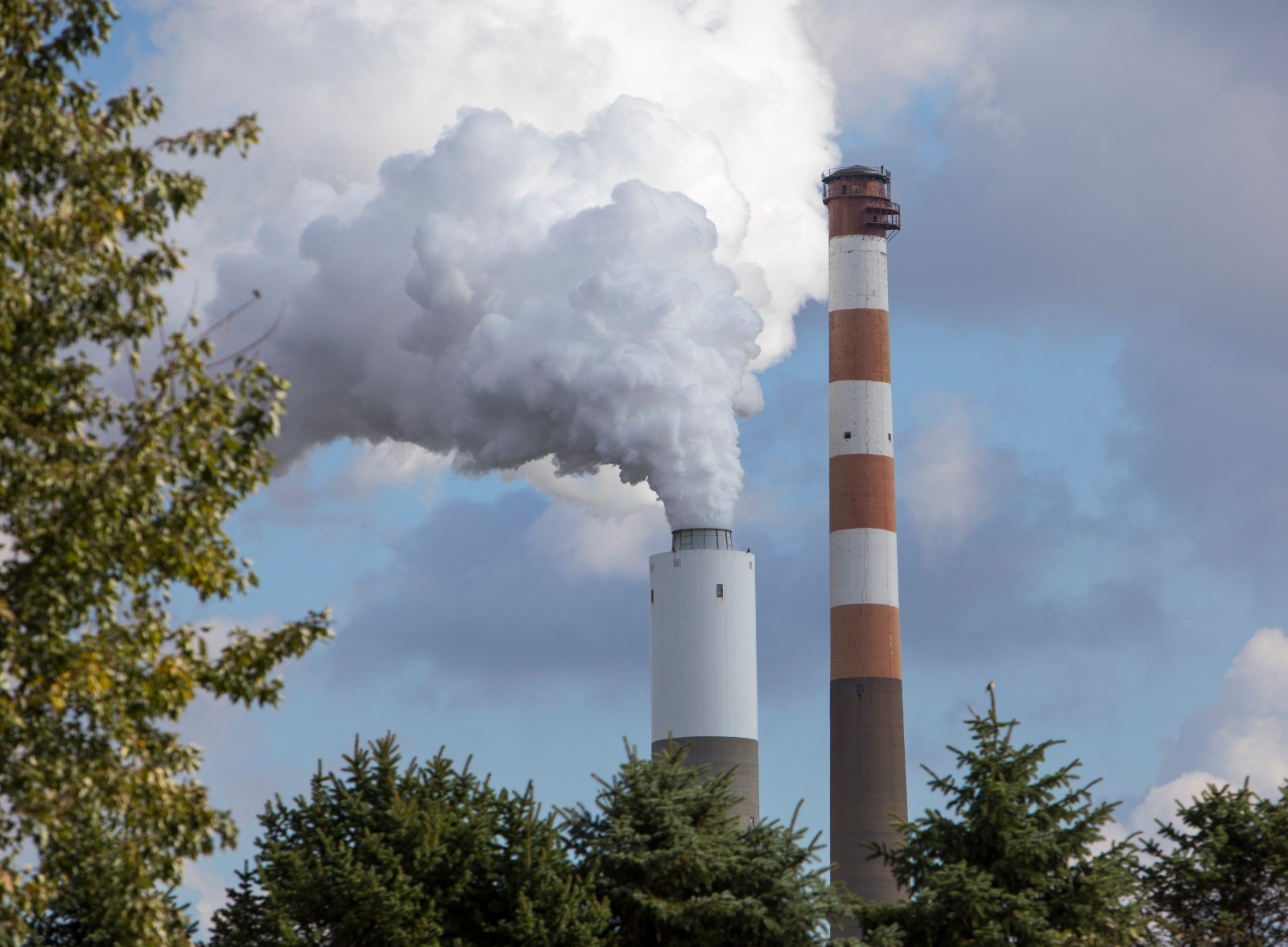
The Environmental Protection Agency (EPA) has finalized the repeal of a major climate rule from the Biden era, which aimed to limit greenhouse gas emissions from coal and natural gas power plants. This change comes as the United Nations continues to issue warnings about the worsening effects of climate change. Meanwhile, former President Donald Trump, known for his support of fossil fuel industries, and EPA Administrator Lee Zeldin, have stated this repeal could reduce costs for the industry while expanding American energy use.
The repeal marks not just a recent shift at the EPA, following a February decision to revoke the 2009 Greenhouse Gas Endangerment Finding. This finding previously required vehicle manufacturers to monitor and report greenhouse gas emissions. Newsweek reached out to the EPA for comments on this development.
States with the Most Coal Plants
A map created by Newsweek reveals states leading in coal plant numbers. Despite a decline in domestic coal use over two decades, driven by a shift towards renewable energy, the U.S. remains a top coal producer globally. Cleanview, a platform tracking U.S. energy infrastructure, reports over 200 coal-powered facilities nationwide. Pennsylvania leads with 13 plants, followed by Indiana and Texas with 12 each. Conversely, states like Idaho, Oregon, and Hawaii report no coal plants.
Nathaniel Keohane, President of the Center for Climate and Energy Solutions, indicated states with high coal plant numbers might experience significant health impacts, especially in areas like Appalachia and the Ohio Valley. However, he stressed that global warming repercussions would extend beyond these regions.
While some energy experts express concerns, organizations like the American Coal Council laud the EPA’s decision. CEO Emily Arthun stated that the proposal aims to preserve a reliable, affordable, and secure electric grid, highlighting coal’s role as a dependable energy source.
Health and Economic Concerns
Rollbacks are expected to worsen air quality, potentially leading to tens of thousands of premature deaths, hospital visits, and asthma exacerbations.
Bryan Hubbell, a senior fellow at Resources for the Future and a former EPA official, noted while the rollback may reduce electricity production costs, its adverse climate and air quality impacts could prove costly over time. He criticized the move as detrimental to society.
Industry Expert Reactions
Many industry experts have voiced their objections, citing health and environmental concerns. Keohane emphasized the importance of maintaining carbon pollution standards to combat climate change, highlighting these emissions from power plants as significant contributors.
Conversely, the American Coal Council defends coal’s role amidst rising electricity demand, emphasizing the need for a diverse energy portfolio for economic growth and security. Arthur noted coal’s importance during extreme weather and peak demand in maintaining grid reliability.
Future environmental regulations are anticipated, injecting uncertainty into the energy sector. Finalizing this repeal may lead to legal challenges, potentially affecting the implementation of the changes.
Even with the rescinded standards, coal plants will still need to meet other federal and state regulations concerning pollutants such as mercury and sulfur dioxide.