
Recent industry reports highlight that traditional methods in medical education may fall short in preparing front-line clinicians for interpreting electrocardiograms (ECGs). A study indicates that health care providers across various specialties accurately interpret ECGs only 56.4% of the time on average. In critical cardiac situations, error rates among both physicians and nonphysicians range between 25% and 30%.
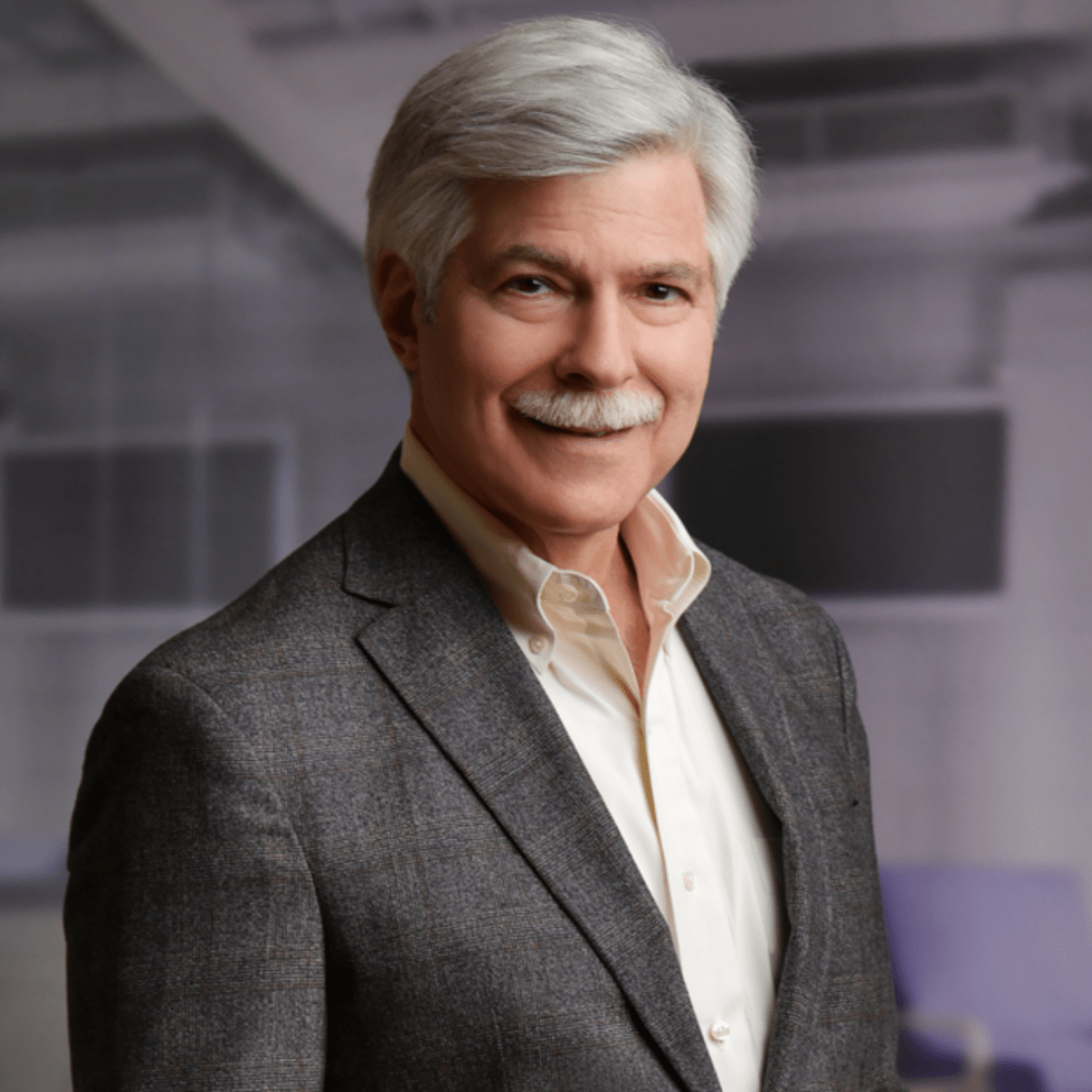
These challenges become pronounced when clinicians overly depend on automated interpretations or textbook patterns without understanding the real-world physiological factors influencing a patient’s rhythm. Dr. Nicholas Tullo emphasizes the need for ECG education to evolve beyond mere recognition and memorization. He believes that over-reliance on memory aids and simple pattern recognition can lead to unnecessary procedures, diagnostic delays, and reduced confidence.
Tullo’s mission is to help health care professionals cultivate a deep understanding of the physiology behind each waveform.
As a medical student, Tullo envisioned a career in surgery, attracted by its intensity. However, clinical experience revealed that surgery did not align with his natural inclinations. Instead, he shifted to cardiology, focusing on the heart’s electrical activity, a field that resonated with his strengths.
Tullo’s musical background as a guitarist and drummer trained him to discern subtle differences in rhythm. He began interpreting ECGs as musical pieces, with patterns and shifts revealing physiological changes. This musical perspective honed his attention to detail and helped him understand complex rhythm disorders.
Tullo noted a disconnect between classroom teaching and real-world clinical challenges. He observed that traditional ECG education often reduces interpretation to recognizable patterns, but patients have rhythms affected by posture, activity, medication, and autonomic state.
“Many practitioners look mainly at surface patterns without fully understanding the physiology behind them,” Tullo explains.
Determined to address this gap, Tullo developed practical lessons to teach clinicians not just what an ECG shows, but why it appears that way. He started recording lessons at home, which gained popularity through word of mouth and online sharing, leading to the creation of ECG Academy. This platform offers comprehensive online education in electrocardiography, including weekly coaching, advanced classes, and accredited courses. Its flexible format allows for learning around clinical schedules.
The ECG Academy is founded on three principles: simplifying complexity for clarity, humanizing instruction by linking lessons to clinical experiences, and teaching rhythm as a language for interpretation based on understanding rather than memorization. Learners study physiological principles, apply their knowledge through videos, case studies, interactive exercises, and live sessions.
“The goal is for clinicians to read ECGs more accurately, for teams to escalate appropriately, and for patients to benefit from faster and safer decision-making,” Tullo states. Clinical practice and research integrate into the curriculum. Tullo’s patient care experience in fainting, autonomic dysfunction, and quality improvement initiatives informed the development of the ECG Academy so that it mirrors the complexity of real-world medicine.
As medicine demands greater diagnostic accuracy and efficient decision-making, Tullo’s approach seeks to reduce dependence on memorized patterns. He aims for a deeper understanding of physiology, context, and patient-specific factors. His work supports a growing movement to enhance clinical skills and cardiac care. By intertwining scientific expertise, practical experience, and interpretive skills akin to a musician’s, Tullo seeks to transform how clinicians listen to the heart’s electrical signals and how confidently they respond.