
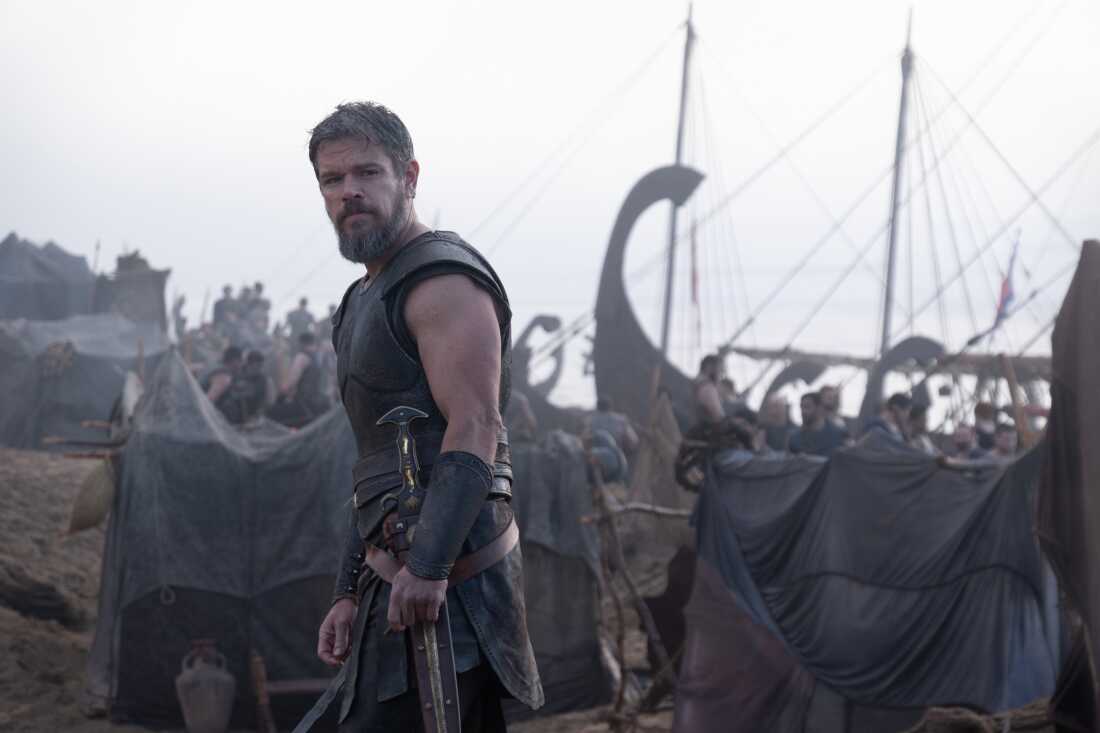
The challenge of making ancient texts appealing to students is a common one faced by teachers today. Films and media adaptations offer a dynamic way to engage students, transforming old stories into visually captivating experiences.
Modern Films Bring Epic Poems to Life
Casey Crowhurst, who has taught high school English for 16 years, has faced difficulties in teaching ‘The Odyssey.’ With the text penned over 2,000 years ago, convincing students of its relevance is no small feat. Using clips from adaptations such as the 1997 Hallmark miniseries, Crowhurst attempts to keep students interested, albeit with mixed results. Films like the recent adaptation by Christopher Nolan bring renewed interest.
I just saw the Odyssey and I want to say on behalf of all English teachers: Thank you, Christopher Nolan. Thank you.
Visual Adaptations: A Valuable Teaching Tool
Visual adaptations of ‘The Odyssey’ play a vital role in teaching. Erin Hall, another English teacher, finds that using media excites students and makes learning more enjoyable. This sentiment is echoed by Sarah Noll, who uses film adaptations to assist multilingual students in learning English. Visual representations help students grasp vocabulary like ‘ship,’ ‘sea,’ ‘king,’ and ‘suitor.’
Teachers like Crowhurst, Hall, and Noll recognize the importance of these adaptations in sparking students’ interest in classic literature. By utilizing modern media, educators hope to bring historical texts into the classroom in ways students can appreciate.
The combination of engaging media with classic texts offers a pathway to understanding literature that once seemed distant and irrelevant. Listen to the audio link for additional insights into how these teachers integrate the movie into their curriculum.