
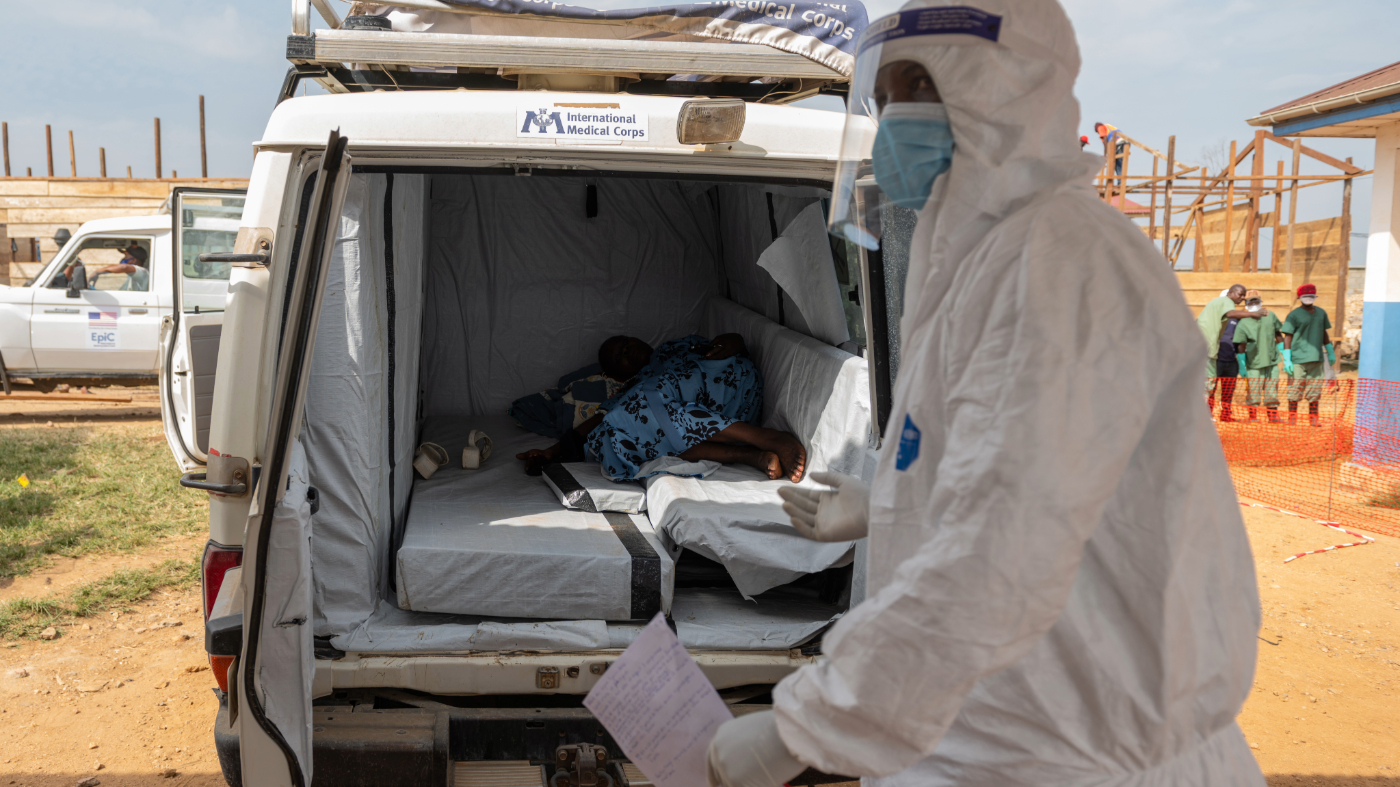
On Monday, June 15, 2026, a paramedic stood by a suspected Ebola patient inside an ambulance at a treatment center in Bunia, Congo. Ebola, known as one of the deadliest infectious diseases globally, is rapidly spreading across the Democratic Republic of the Congo and Uganda, now posing a potential threat to South Sudan.
During past outbreaks, the U.S. played a crucial role in combating the disease, significantly contributing to efforts that saved many lives. However, recent changes have weakened America’s capacity to effectively respond. The U.S. actions under the Trump administration, including downsizing experienced personnel and resources, have hampered its ability to manage public health emergencies efficiently.
Moves by the Trump administration to strip U.S. public health agencies of experienced scientific personnel and critical resources have drastically weakened America’s capacity to wage an effective and organized response to these catastrophes.
The decision to withdraw from the World Health Organization (WHO) has further impaired the U.S. capacity to gather and share vital data with allies, a key part of its previous global health strategy. This has made both the U.S. and the global community less secure.
The confusion regarding the U.S. response extends to uncertainties about roles and responsibilities within the government. Questions remain unanswered about which State Department official leads the Ebola crisis response, the specifics of the aid pledged by the U.S., and the management of resources following the dismantling of the U.S. Agency for International Development.
This lack of clarity in leadership is exacerbated by frequent changes in leadership at the Centers for Disease Control and Prevention (CDC), raising doubts about the reliability and authority of the guidance provided to the public.
Viruses do not respect borders, emphasizing the need for coordinated international efforts to prevent and manage outbreaks. The chances of controlling the disease diminish if it spreads to congested refugee camps in Sudan, where poor sanitation prevails.
The Trump administration’s mixed signals regarding infectious disease mitigation have further complicated the situation. Previous skepticism over public health measures during COVID-19 contrasts with current endorsements of strict quarantine measures for the Ebola outbreak.
Another concern arises from the policy barring U.S. citizens exposed to Ebola from returning home, despite America’s advanced medical infrastructure. Instead, plans are in place to treat these individuals in Kenya, away from the superior healthcare facilities available in the U.S.
America’s previous investments in preparedness showcased leadership through coordination with international partners and respect for scientific input. These efforts successfully managed disease threats but have now been undermined, with potentially serious implications for the safety and security of American citizens.
Lyndon Haviland, DrPH, MPH, is a distinguished scholar at the CUNY School of Public Health and Health Policy.