
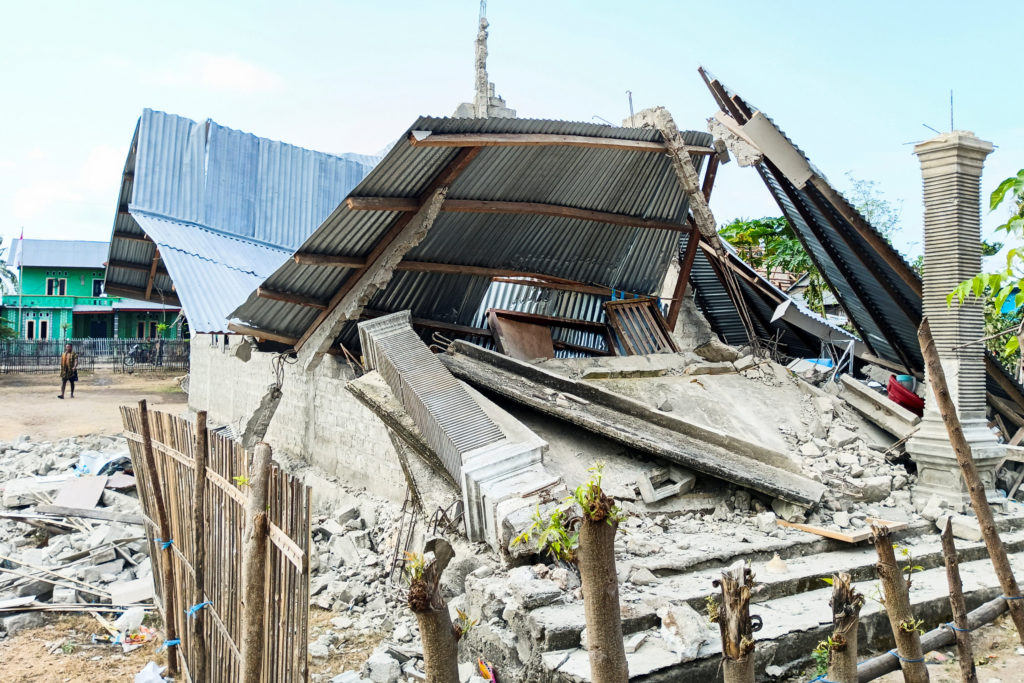
In Ruteng, Indonesia, rescue efforts continued following a devastating earthquake that struck eastern Indonesia. The magnitude 7.7 quake has claimed 53 lives as rescue teams recovered more bodies from the affected regions. Thousands of people, displaced by the disaster, are staying outdoors due to fears of aftershocks.
Rescue teams are actively searching for survivors in six regencies across Flores island, which faced landslides triggered by the quake. The most affected areas, including Manggarai, East Manggarai, and Nagekeo, remain difficult to access. Fathur Rahman, leading the search-and-rescue operations, stated that progress has been made clearing landslides and reopening roads, despite ongoing communication and power challenges.
The earthquake destroyed over 900 homes and damaged 450 more in the East Nusa Tenggara province, forcing about 5,000 residents into temporary shelters. Specifically, in the Flores region, 241 homes suffered damage according to Abdul Muhari from the National Disaster Management Agency.
The quake struck early Saturday morning at a depth of 10 kilometers. Tsunami warnings were issued but later lifted. Since then, authorities have cataloged 995 aftershocks, 46 of which residents felt, and recorded 135 injuries.
In Labuan Bajo, close to Komodo National Park, many residents chose to stay outside due to fear of further aftershocks. Anastasia Imad, a farmer in the area, described the terrifying intensity of the quake and the damage to her home.
Landslides have blocked parts of the Trans-Flores Highway, complicating aid efforts. Relief workers have distributed essential supplies and set up emergency shelters for the displaced. Challenges remain in restoring electricity, communication, and delivering aid to remote regions.
Indonesia often experiences earthquakes and volcanic activity due to its position on the Pacific “Ring of Fire.” Flores has seen deadly disasters in the past, including a 1992 earthquake and tsunami, a 2018 disaster in Sulawesi, and the 2004 Sumatra earthquake and tsunami.
Journalists Niniek Karmini and Edna Tarigan supported this report.