
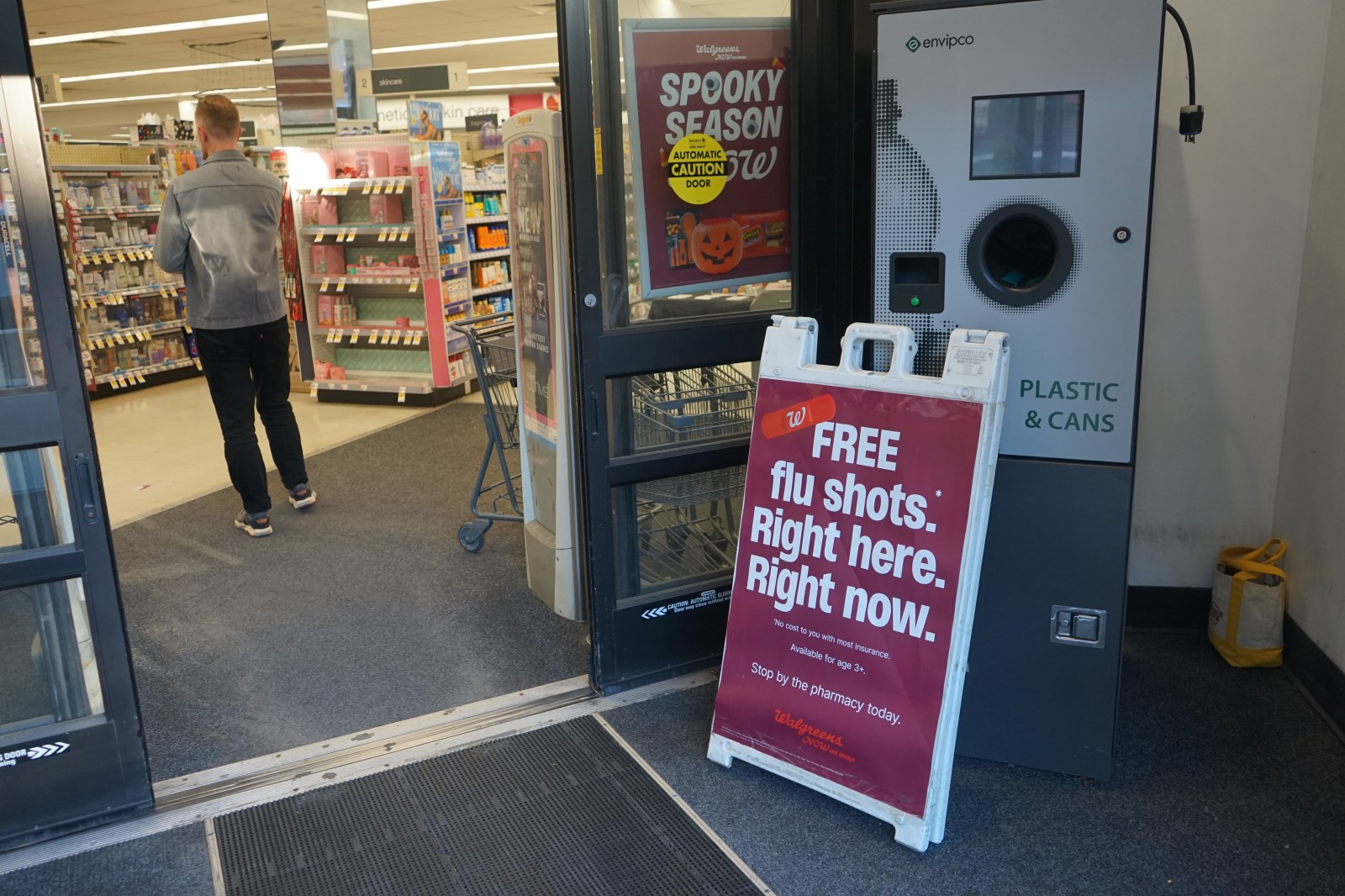
Americans are encouraged to receive flu vaccinations as health officials observe an early increase in seasonal influenza activity. Recent weeks have shown rising hospitalizations, positive flu test results, and more emergency department visits.
Hospitalization Data Highlights Concern
The Centers for Disease Control and Prevention (CDC) reported 4,811 confirmed flu-related hospital admissions nationwide for the week ending October 17. The CDC noted this as the highest hospitalization rate for this point in the season since 2010-11. They stated, “Early-season influenza activity is currently higher than typically observed at this time of year” in their latest weekly surveillance report.
Newsweek attempted contact with the CDC for further comments via email on Saturday.
Walgreens Reports Early Flu Season Indication
Data from Walgreens indicates the flu season may be starting earlier than usual. The pharmacy chain’s statement reveals flu activity tracking about four weeks ahead of recent seasons based on testing, prescription, and retail sales data.
“It’s an early start to the season,” said Dr. Amesh A. Adalja from Johns Hopkins Center for Health Security. “It’s too early to know the trajectory of the season, but people should get vaccinated ASAP.”
Dominant Flu Viruses in Circulation
Nearly all flu viruses identified so far this season are H1N1. This virus is not a newly emerged strain but rather a descendant of the H1N1 virus from the 2009 swine flu pandemic.
CDC data for the week ending October 17 showed 239 of 241 influenza A samples were H1N1, indicating dominance. Health officials are not seeing the H3N2 subclade K, mistakenly termed “super flu,” that appeared last year.
Researchers continue studying virus evolution and its potential implications later in the season. It remains too early to assess whether this flu season will be more severe than recent ones.
Geographic Spread of Rising Flu Activity
The CDC’s latest map displays varying levels of influenza activity across states as of October 17, with health officials tracking the fastest transmission areas as colder weather arrives. This map measures flu-like illness rather than confirmed flu cases. It includes people seeking medical care for symptoms such as fever, cough, and sore throat.
States like Louisiana and Hawaii reported “moderate” levels of influenza-like illness. Florida, South Carolina, West Virginia, Oregon, and Washington showed “low” activity levels, while others are at a minimal level.
Early Season Hospitalization Trends
While high concentration of cases are not present yet, the unusually high hospitalizations worry health experts. Flu seasons can vary, with some starting slowly and accelerating later, and others beginning early and spreading rapidly.
The CDC emphasized it is too early to forecast the season’s severity. However, the upward trend in serious flu indicators is ahead of historical expectations.
CDC’s Vaccination Recommendation
The CDC recommends annual influenza vaccination for everyone aged six months and older. Vaccines are widely available, with September and October as preferred vaccination months before peak activity during winter.
Health officials continue monitoring genetic changes in current H1N1 viruses. Surveillance is ongoing to evaluate future dominant viruses.
Currently, vaccination is the primary means to reduce risks of severe illness, hospitalization, and influenza-related death.
What’s Next in Flu Activity Monitoring
Flu activity often rises through late fall, peaking in winter. The coming weeks will clarify if the current increase marks an early start or temporary rise. Health officials will analyze hospital trends, regional spread, and H1N1 dominance in future data.
Patients experiencing fever, cough, sore throat, runny nose, headaches, muscle aches, or fatigue should seek medical attention.