
Health officials have ordered the immediate cleanup of 10 rooftop cooling towers in the South Bronx. This action comes after preliminary testing identified Legionella bacteria in the area, in connection with a growing cluster of Legionnaires’ disease. This outbreak has resulted in nine illnesses and one death.
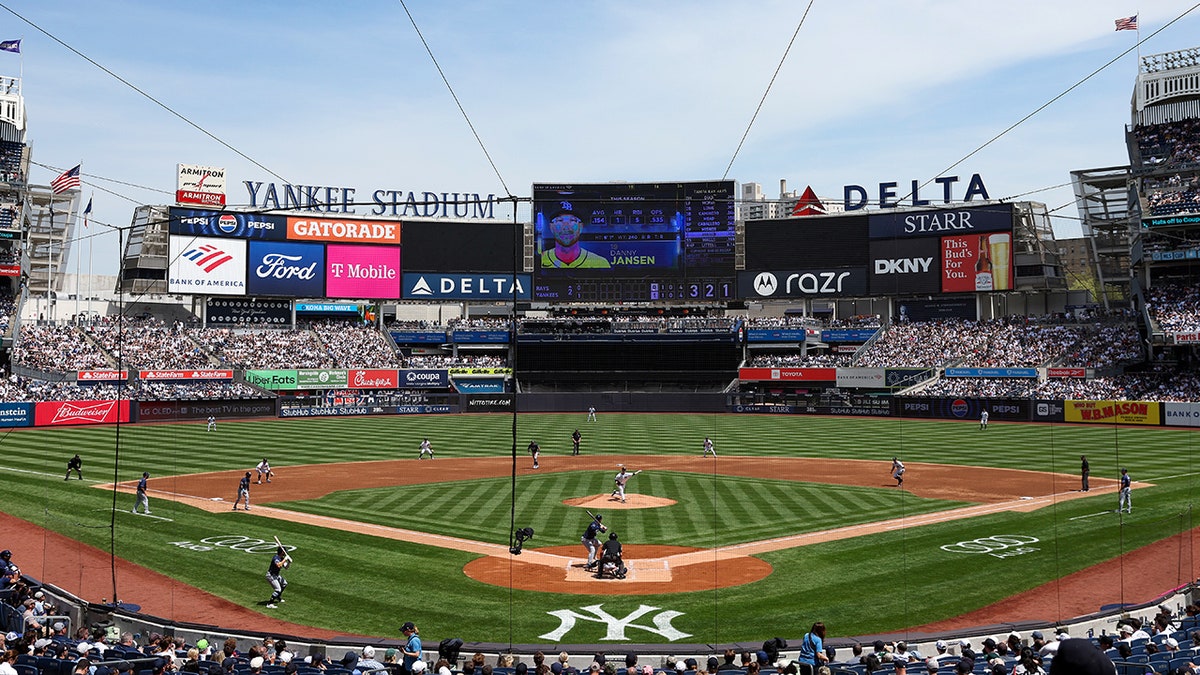
The New York City Department of Health and Mental Hygiene directed the cleaning and disinfection of the affected sites, including major locations like Yankee Stadium and Lincoln Hospital. Public health experts highlight that recurring outbreaks in these neighborhoods reveal significant systemic issues.
According to Dr. Tyler Evans, CEO of the Wellness Equity Alliance, Legionnaires’ disease outbreaks in New York City frequently occur in the Bronx or Harlem. These neighborhoods often face increased infection risks due to historical marginalization.
The Department of Health identified this cluster following an uptick in cases starting in late August. They found Legionella in 10 out of the 24 sampled towers. While PCR testing confirmed the presence of bacterial DNA quickly, it could not differentiate between live and dead bacteria. Therefore, city health officials ordered prompt cleaning as a precaution while awaiting the results of culture tests, which can take up to two weeks.
Late-summer weather has contributed to the problem. High temperatures are ideal for bacterial growth in industrial air-conditioning systems. Dr. Evans indicated that heat can lead to bacteria becoming airborne and exposing people.
“Record-breaking temperatures lead to an increased risk of bacteria cooking and becoming vaporized, which then exposes more people,” he explained.
Legionnaires’ disease is a serious form of pneumonia, not spread between individuals. It does not originate from drinking tap water. Healthy people are usually not affected, but high-risk groups may suffer severe consequences. High-risk individuals are typically those aged 65 and older or people with conditions like diabetes or COPD.
Health officials advise individuals living in or visiting ZIP codes 10451 and 10456 since late August to monitor their well-being. Key symptoms include high fever, severe shortness of breath, chest pain, and coughing up blood.
“Early medical attention is vital because the disease can be treated effectively with antibiotics,” Evans noted.
Legionnaires’ disease spreads through inhaled vapor, posing the highest risk to older adults and those with underlying health conditions.
Though the city has acted quickly to inspect and clean the affected sites, Evans stresses that lasting prevention requires ongoing public investment. Regular testing of all cooling towers citywide, particularly during hot spells, could prevent future outbreaks.
“City health officials do tremendous work, but it requires funding,” Evans remarked. “When federal funds are reduced, maintaining these efforts becomes challenging.”