
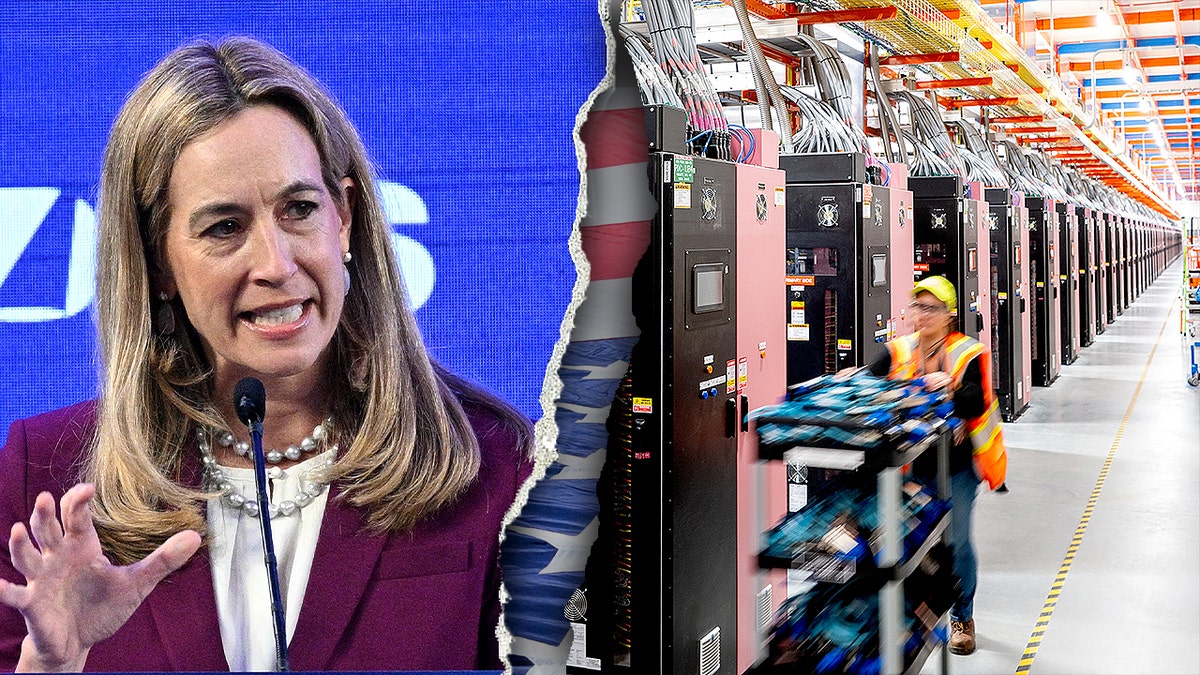
As the surge in artificial intelligence is causing a remarkable increase in electricity consumption, New Jersey and Indiana are adopting distinct approaches to address concerns over the potential rise in utility costs due to Big Tech’s energy needs.
New Jersey’s Legislative Measures
Governor Mikie Sherrill of New Jersey has initiated proactive measures to regulate large data centers before they integrate with the power grid. Legislation enacted in July mandates the New Jersey Board of Public Utilities to establish a unique rate structure for substantial data centers. This ensures that expenses associated with new infrastructure, primarily for data centers, are not transferred to other consumers.
The law further requires these centers to secure commitments for at least 85% of their anticipated electricity capacity for a decade, safeguarding against potential scale-backs or closures. It also urges regulators to foster sustainable practices among data centers, such as adopting clean energy solutions and optimizing power consumption, especially during emergencies.
Indiana’s Cooperative Strategy
In contrast, Indiana has chosen a collaborative route involving state regulators, Indiana Michigan Power, consumer advocates, and tech giants. This strategy follows significant project announcements from companies like Amazon Web Services and Google, triggering discussions on infrastructure funding. The 2025 agreement necessitates long-term financial commitments from new, large consumers, including data centers, to secure electric services even if demand falls short.
Indiana Michigan Power predicts that these commitments will allow benefits to trickle down to existing customers. They propose a significant reduction of base rates by $59 million in 2027, passing savings onto households that consume an average of 1,000 kilowatt-hours monthly. Additionally, they plan on freezing rates for three years starting June 2027.
Daniel Turner, executive director of Power The Future, expressed preference for Indiana’s flexible approach over New Jersey’s rigid framework while advocating for enhanced power generation alongside AI expansions.
Political Dimensions of Data Centers
Daniel Turner described data centers as politically contentious, with decision-makers sporadically choosing restrictive or indefinite postponements instead of collaborating for solutions that enhance resources while protecting consumers.
The Trump administration sought to normalize such strategies on a national scale, unveiling the Ratepayer Protection Pledge. This agreement obliges major tech firms to bear the costs of the electricity required by AI data centers without burdening households.
Turner warned about broader implications beyond local utility spikes. He highlighted the urgency of not falling behind China in developing and managing artificial intelligence, urging Americans to consider the expansive real-time control that China could wield over digital assets.