
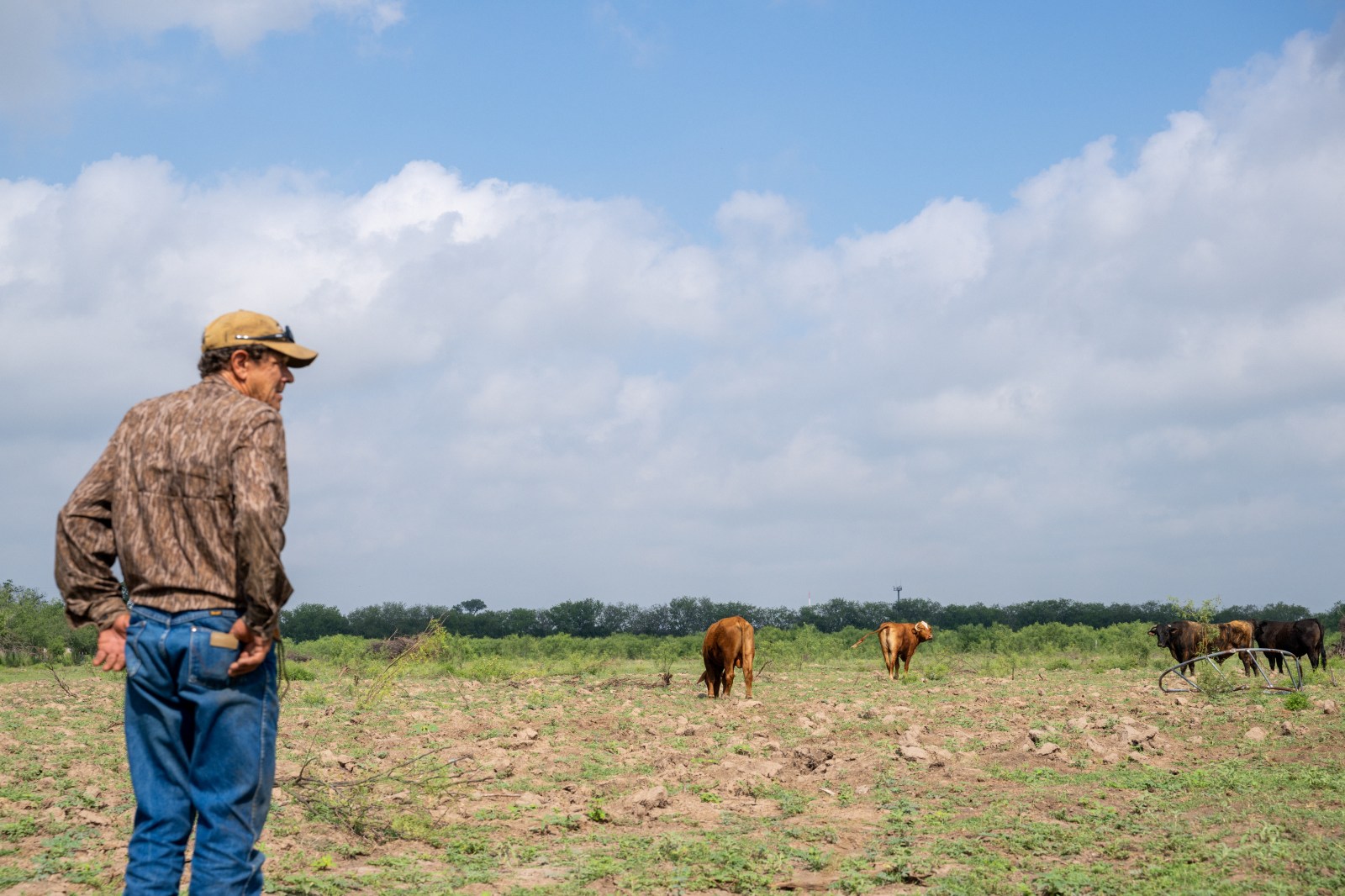
In the weeks leading up to Election Day, Republican Senate seats in five major agricultural states face uncertainty due to soaring diesel prices and economic impacts from the conflict with Iran. Iowa, Nebraska, Texas, Kansas, and North Carolina, which rank among the top 10 states for agricultural cash receipts, might witness a shift in political control.
Recent polling and prediction analyses indicate a shift toward Democrats, or independents in Nebraska’s case. The trigger point was around February 28, when U.S. and Israeli strikes on Iran began, influencing the current political landscape.
Economic Strain on Farmers
Farmers have been hit hard as on-highway diesel prices soared to a record national average of $6.529 a gallon in September, according to the U.S. Energy Information Administration. Prices were around $3.80 before the conflict. The situation worsened when Iran blocked the Strait of Hormuz, affecting global fertilizer supplies. Fertilizer prices surged, adding to farmers’ burdens.
This economic strain has affected President Donald Trump’s approval ratings negatively. Civiqs tracking polls show him underwater in four of the five states, despite having carried them in 2024.
Republican strategist Alex Patton commented, “The GOP isn’t going to solve inflation, the war, gas prices in the next few weeks.”
The Status of Senate Races
Trump’s support has declined in all five states since 2024. Current ratings from Cook Political Report, a nonpartisan election forecaster, place three of these Senate races as toss-ups. North Carolina’s race leans Democratic, while Nebraska is likely Republican, yet becoming competitive.
Specific races are now contentious:
- Iowa: The Senate race changed from lean Republican to toss-up with Republican Senator Joni Ernst retiring. Democratic candidate Josh Turek is gaining ground, with polls showing mixed results for Republican Ashley Hinson.
- Texas: Previously a strong Republican state, Texas’s Senate race shifted from lean Republican to toss-up with Ken Paxton facing Democratic challenger James Talarico.
- Kansas: Historically Republican, Kansas now sees Democrat Adam Hamilton closely trailing Republican Senator Roger Marshall.
- Nebraska: Republican Senator Pete Ricketts faces a tight race against independent candidate Dan Osborn, with a shift from solid to likely Republican.
- North Carolina: Democrat Roy Cooper leads over Republican Michael Whatley, as polls and prediction markets suggest a Democratic pickup.
Impact of Economic Factors on the Elections
Farmers face rising costs as diesel prices and tariffs persist. Gulf Coast diesel prices, covering Texas, increased significantly, while Midwest diesel costs climbed as well. Oil prices remained stable around $90, yet diesel outpaced the crude oil rise. Louisiana’s Governor Jeff Landry suspended penalties related to diesel usage to alleviate farmer burdens.
Democrats are encouraging voters to link the high prices to Republicans. Sam Newton from the Democratic Governors Association stated, “Americans will continue to pay astronomical prices at the gas pump this week with no help from Republicans running for governor who backed Trump and his reckless war once again.”
Fertilizer Costs and Agriculture
The blockade of the Strait of Hormuz impacts fertilizer prices globally. According to the United Nations Food and Agriculture Organization, global traded fertilizer is heavily affected. Josh Linville from StoneX brokerage highlighted the unprecedented changes in fertilizer markets.
The USDA projects net farm income in 2026 will drop by 5.5% after inflation. A record percentage of producers express concerns about input costs. The Purdue University/CME Group Ag Economy Barometer showed declining optimism among producers.