
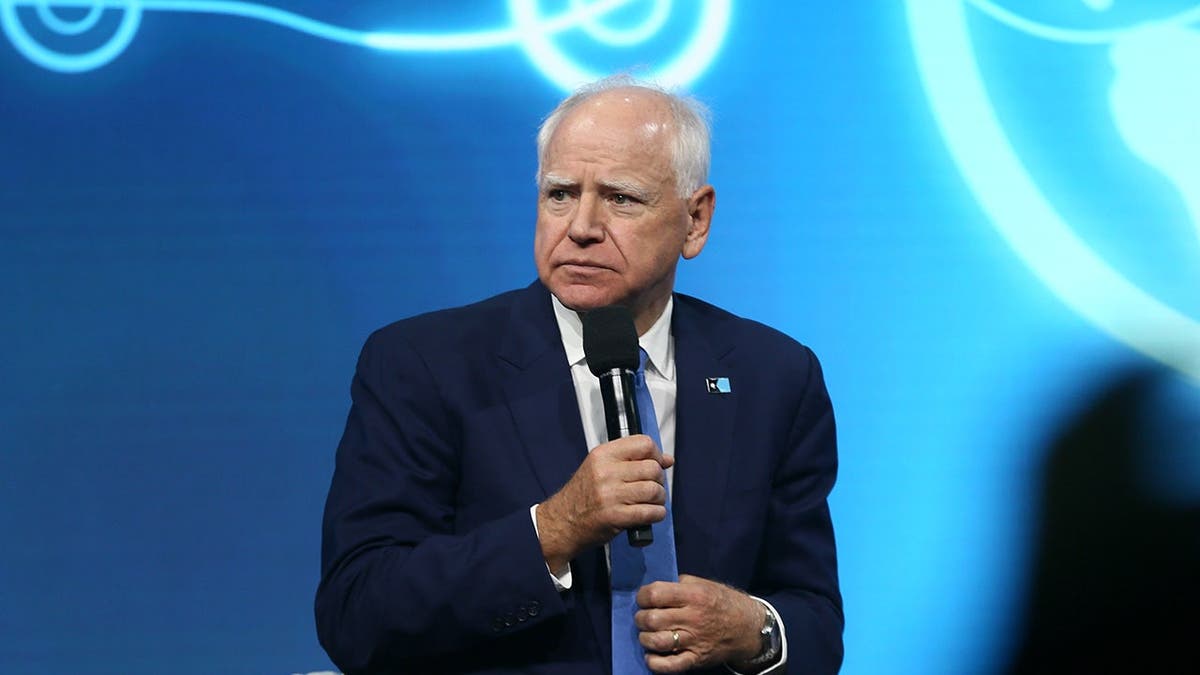
Minnesota Governor Tim Walz issued a warning to the Democratic Party in a recent interview, stressing that significant structural changes must follow electoral victories to avoid backlash. In a discussion with “The Lever” founder David Sirota, Walz acknowledged concerns that the party often promises substantial changes but fails to deliver.
“Yes, a hundred percent,” Walz said regarding the party’s issue with delivering on big promises. “We win these elections not to bank the political capital to win the next one but to improve lives. We’re too slow about it, and some of that is structural.”
Walz pointed to former Senator Joe Manchin’s stance on maintaining the filibuster in the Senate, highlighting the impacts it has on significant legislative progress. “I’m friends with Joe Manchin, but the desire to uphold the filibuster at all costs can have real impacts on people’s lives regarding important things,” he noted.
Manchin, along with then-Senator Kyrsten Sinema, voted against changing the Senate’s 60-vote threshold for advancing most legislation in 2022, a move that opposed other Democrats aiming for reform.
Walz emphasized the danger in failing to address structural issues, such as income inequities, which could lead to voter dissatisfaction. He warned that if people continue to struggle with affording education or housing despite Democratic victories, problems will arise.
The governor expressed confidence in the Democrats potentially regaining control of the House, Senate, and presidency by 2028.
Adding her voice, Lindsey Drath, CEO of the Forward Party, argued against abolishing the filibuster for party-line voting. She identified the two-party system and the quest for power as obstacles to lawmaking progress.
“This dynamic pushes our elected officials away from working on real solutions for actual problems,” Drath said. “The incentive is to obstruct, posture, and wait for the next election.”
Drath suggested a fulcrum strategy, involving a small bloc of independents to balance Congress’s power, as a solution. This approach would force both parties to negotiate with independents before passing legislation.
Governance reflection was part of Walz’s recent statements, particularly concerning widespread fraud involving Minnesota social services programs. In a September interview, Walz admitted the failure to address fraud sooner, with an estimated cost of $9 billion. He compared these losses to other expenses, such as President Trump’s White House ballroom costs, offering perspective but acknowledging it doesn’t justify the fraud.