
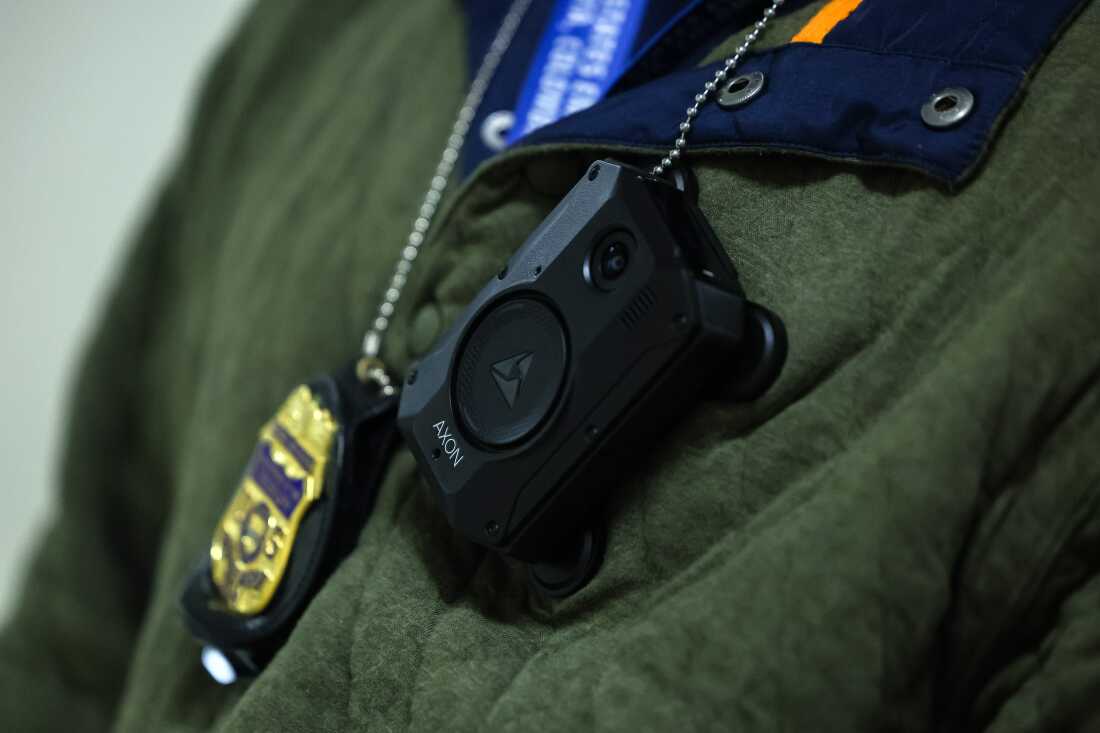
Following a tragic incident involving immigration agents killing two U.S. citizens in Minneapolis, the Department of Homeland Security (DHS) promised swift enforcement of body camera use nationwide. Despite this pledge, progress has been slow. Recently, two immigrant fathers were fatally shot by federal agents. DHS claimed Lorenzo Salgado Araujo attempted to attack an agent with his car in Texas and accused Joan Durán Guerrero of being a public threat in Maine. However, none of the officers involved were equipped with body cameras.
Lawmakers, including U.S. Sen. Susan Collins, R-Maine, have intensified demands for DHS to expedite body camera deployment. Collins remarked, “This incident shows the urgent need for body-worn cameras, protecting both law enforcement officers and civilians.”
Lauren Bonds, executive director of the National Police Accountability Project, emphasized the significance of body cameras in maintaining law enforcement accountability. “The cameras expose excessive force and counteract false incident report narratives,” Bonds noted. “They have transformed the validation of civil rights claims.”
Funding Issues and Delayed Implementation
White House Border Czar Tom Homan mentioned that “hundreds” of cameras were purchased for Minnesota after the deaths of Renee Good and Alex Pretti. However, not enough cameras were available for all Immigration and Customs Enforcement (ICE) agents, leading to a need for additional funds.
Congress allocated $31 billion for technology enhancements, including body cameras, yet failed to mandate their purchase or use by ICE. DHS attributed the lack of progress to disruptions from government shutdowns. Precise details on current body camera holdings and future acquisitions remain unknown, as DHS did not address specific inquiries from NPR.
Criticism and Commitment to Deployment
David Bier, from the libertarian think tank Cato Institute, criticized DHS for lacking initiative in implementing body camera usage. “They resist exposing agents’ actions and identities,” Bier stated. Despite funds available for purchasing body cameras, the reluctance persists.
Homan mentioned a scheduled deployment plan, asserting agents are undergoing training across various field offices. DHS claims half of the field offices are now equipped with body cameras, with plans to equip the remaining offices within 60 days. “Nationwide implementation of body cameras for ICE is crucial, especially with increased attacks on law enforcement,” DHS remarked.
Bonds expressed skepticism, highlighting concerns that officers may deactivate or tamper with footage during misconduct. “Reducing ICE’s contact with the public is essential to prevent brutality,” Bonds argued.
Video Evidence Challenges Official Narratives
Video evidence frequently contradicts DHS’s accounts after lethal incidents. In Minneapolis, DHS initially misrepresented Good and Pretti as domestic terrorists. Bystander footage disproved these claims.
Recent attacks involving Salgado Araujo and Durán Guerrero have sparked emerging surveillance footage, offering additional context. “Independent witnesses are sharing their observations, but DHS’s vague statements hamper accountability,” Bonds concluded.