
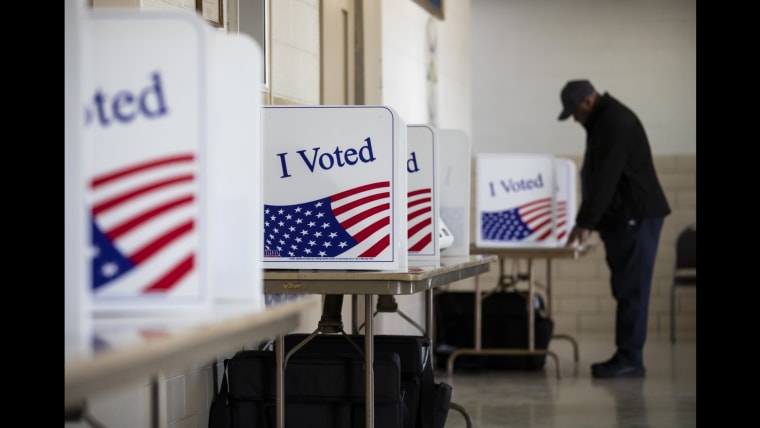
The Democratic National Committee (DNC) has made a significant change to its presidential primary calendar for 2028. South Carolina will lead a series of early contests, emphasizing diverse representation in the selection of the party’s national leader. This new schedule was confirmed after a meeting in Texas.
New Primary Schedule
South Carolina, with its large African American electorate, will hold its primary on January 22, 2028. Nevada, which boasts a high Latino population and strong labor influence, follows on February 1. Subsequent contests are scheduled as follows:
- New Hampshire: February 8
- New Mexico: February 15
- Michigan: February 22
- Virginia: February 29
This marks a departure from the tradition of starting primaries in Iowa and New Hampshire. The DNC decided to eliminate Iowa from its early slate, following issues with vote counting during its 2020 caucuses.
Reason for Change
DNC Chair Ken Martin highlighted the importance of candidates gaining support from all demographics nationwide. He stated, “No shortcuts. No coronation. You want to lead this party? Go earn it.”
This change follows the 2024 election cycle, when then-Vice President Kamala Harris became the party’s nominee after President Joe Biden stepped down. Concerns over Biden’s age and performance led to his withdrawal, garnering support for Harris from party leaders and donors. However, after Harris’ defeat, there was regret that no other Democratic candidates were given a chance to contest the nomination.
Resistance and Impact
Some party leaders, particularly in Iowa and New Hampshire, oppose the new calendar. Iowa Democratic Party Chair Rita Hart expressed concern over losing Iowa’s historic role as a leading primary state. Hart pointed out that Republicans plan to start their primaries in Iowa regardless, which could impact congressional and Senate races in 2028.
“They will spend hundreds of millions of dollars to promote their candidates and bring tons of national media attention,” Hart remarked.
This reshaped primary schedule indicates a shift in strategy for the Democratic Party, aiming to better represent its racially and ethnically diverse electorate in future elections.