
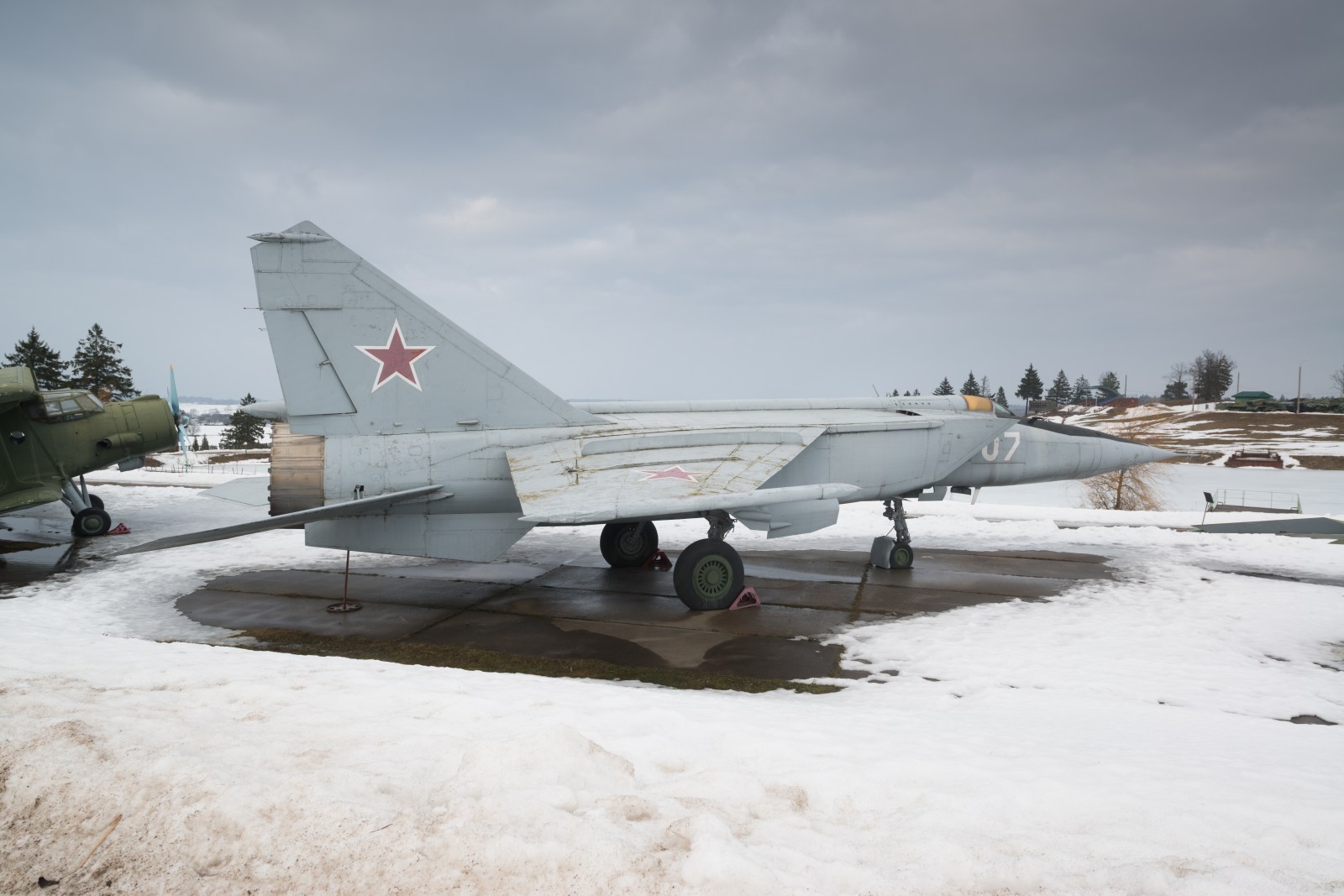
Half a century ago, Viktor Belenko, a Soviet pilot, delivered a significant intelligence asset to the United States. On September 6, 1976, Belenko was on a routine flight near Vladivostok. However, he diverted from his group, pushing his MiG-25 Foxbat into a deep dive to avoid detection. He headed straight for Japan. Running dangerously low on fuel, he crash-landed at a civilian airfield on Hokkaido island.
The arrival of this formidable aircraft stunned local workers, especially when Belenko emerged with a pistol, declaring his desire to go to the United States. The CIA, led by Director George H. W. Bush, saw this as a massive intelligence gain. Belenko was granted asylum, became a U.S. citizen, and worked with the government before retiring and attending aviation events until his passing in 2023.
Today, Russian President Vladimir Putin might ponder if a similar defection might occur under his rule.
Defections and Their Impact
Following his full-scale invasion of Ukraine, several of Putin’s associates, including wealthy businessmen, diplomats, and military officials, have left Russia. Though none used a secretive fighter jet, some carried substantial expertise.
One of the most prominent defectors, Anatoly Chubais, was a key figure in Russia’s 1990s economic reforms and held high-ranking positions. In 2022, following Russia’s actions in Ukraine, he resigned and relocated to Israel. He established the Center for Russian Studies at Tel Aviv University.
Gleb Karakulov, once part of Russia’s Federal Protective Service, managed secure communications for top officials. He defected in 2022, heading to Turkey with his family. Karakulov provided insight into Putin’s limited communication tools and close-knit advisory circle.
Another defector, 24-year-old Miroslav Simonov, sought refuge in Ukraine. He came from Russia’s elite drone warfare unit and shared valuable details about Russian military capabilities.
Incentives for Defectors
Ukraine offers significant incentives for Russian military defection. Laws grant $1 million for delivering usable combat aircraft and $500,000 for helicopters. These include new identities and residence options.
In August 2023, pilot Maksym Kuzminov defected with a Mi-8 helicopter, delivering key parts for fighter planes. However, his subsequent murder in Spain underscored the risks defectors face, as Russian authorities expressed satisfaction at his death.
Challenges for Russian Insiders
Russia’s legal system deters potential defectors with harsh penalties. Those caught face prison sentences ranging from three to life for acts like desertion, treason, or passing secrets.
More than 650,000 Russians have emigrated since Putin’s 2022 mobilization announcement. The emigrants are often young and educated, with many working in IT, culture, and science sectors.
Belenko’s case combined man, machine, and secrets, offering a complete package. His success story as a defector remains unmatched in today’s geopolitical landscape. However, the current exodus suggests the potential for future significant defections with the right circumstances.