
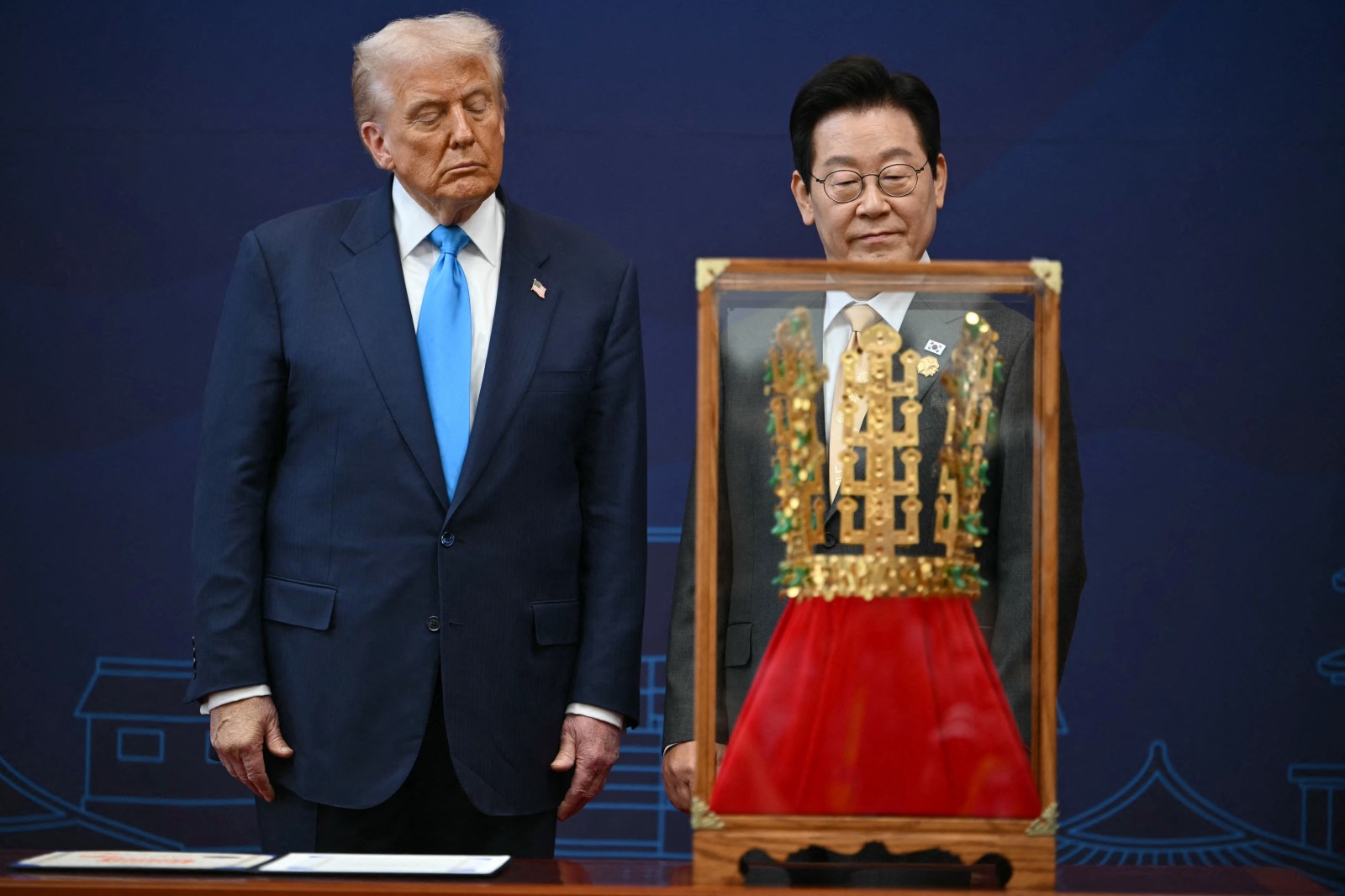
During my tenure as the chief U.S. negotiator for the U.S.-Korea Free Trade Agreement (KORUS), I discovered that the strongest partnerships are built not on the absence of disagreements, but on the ability to address them with trust, pragmatism, and shared interests. KORUS faced numerous challenges, especially in sectors such as agriculture, automobiles, and pharmaceuticals.
Addressing Sensitive Issues
One of the most contentious topics was opening Korea’s beef market to U.S. producers. KORUS succeeded in reducing high beef tariffs, but debates on the complete reopening of the market lingered. The discovery of mad cow disease in the U.S. in 2003 led to Korea, along with several other countries, suspending U.S. beef imports. In 2008, when Korea decided to reopen its market, the move incited significant public protest, evidenced by the mass candlelight demonstrations in Seoul.
Despite the fervor, this controversy did not damage the long-term economic ties between the two nations. Through continuous negotiations, additional safety measures were agreed upon, facilitating the reopening of the market.
A Success Story
Since 2021, Korea has become the top overseas market for American beef in terms of value. This transformation did not occur because disagreements were downplayed. Instead, both countries remained engaged and dealt with concerns constructively, ensuring that one challenge did not overshadow the entirety of the partnership.
Ongoing Challenges and Cooperation
The lessons learned from the beef dispute remain pertinent today as tensions arise from certain restrictive Korean trade measures impacting current U.S.-Korea relations. With global conflicts, trade issues, technological competition, and supply chain vulnerabilities at the forefront, it is crucial for both nations to collaborate closely.
Further tests followed. For instance, in 2017 and 2018, the U.S. demanded significant changes to KORUS shortly after its initiation. Despite political pressures and intense rhetoric, both governments successfully negotiated amendments, mostly addressing U.S. automotive concerns, and the updated agreement took effect in 2019.
The committees and working groups formed under KORUS continue to provide effective platforms for tackling issues in diverse sectors such as agriculture and technology. Treating individual disputes seriously and addressing them transparently is vital, but maintaining perspective and utilizing established channels can manage differences efficiently.
The Role of Strategic Investment
Beyond economic interactions, Korea plays a strategic role by hosting 28,500 U.S. troops. It significantly invests in U.S. industries, fostering job creation and technological advancement. Korean investments in the U.S. have surpassed $90 billion in 2024, more than double what it was a decade earlier.
Significant projects include a $6.6 billion critical-minerals smelter in Tennessee by Korea Zinc and a $5.8 billion low-carbon steel mill in Louisiana by Hyundai Steel. These investments aim to enhance U.S. supply chains crucial for sectors like defense and semiconductors.
Looking Forward
The future of U.S.-Korea relations holds immense potential, particularly in shipbuilding, semiconductors, energy, pharmaceuticals, and critical minerals. Korea’s industrial strength and skilled workforce make it a valuable partner for the U.S. Relaunching industries vital for economic and national security will require enduring political support from both nations.
The American beef experience shows that while disputes are inevitable, they do not need to disrupt the broader partnership. With a history of resolving complex issues through engagement and innovation, the U.S. and Korea can emerge stronger, ready for future strategic challenges.
Wendy Cutler is Senior Vice President at the Asia Society Policy Institute and former chief U.S. negotiator for the U.S.–Korea Free Trade Agreement. The views expressed in this article are the writer’s own.