
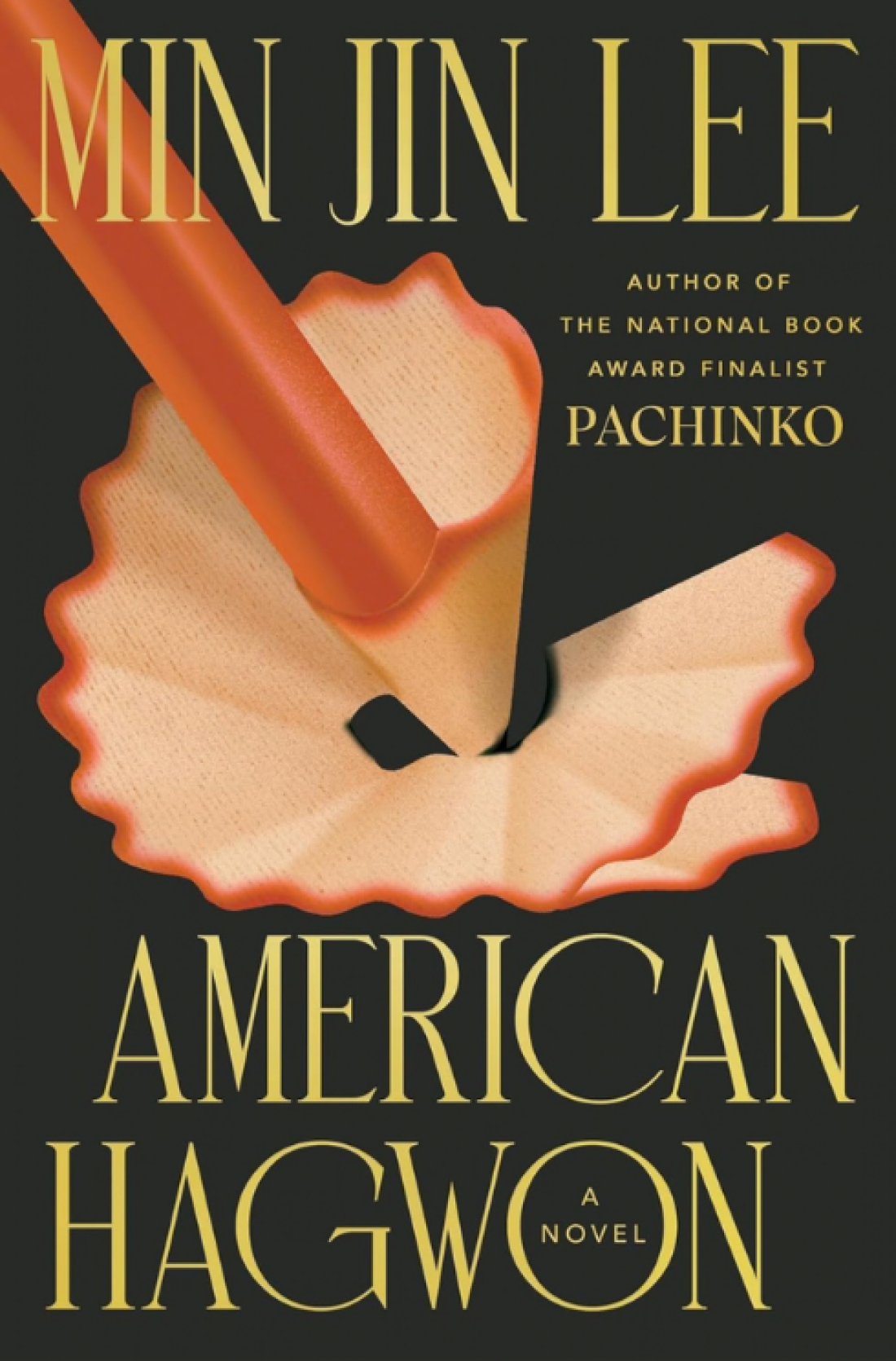
Cardinal Min Jin Lee’s latest novel, American Hagwon, represents nearly a decade of effort. Spanning the worlds and lives of its characters, this novel explores profound themes of pain and love. It is the third installment in Lee’s series on the Korean diaspora. Her previous work, Pachinko, was a National Book Award finalist.
This novel skillfully intertwines immigration issues, the elusive American dream, and the essence of education. It captivates readers with its intricate narrative over more than 600 pages, leaving a lasting impression. At the heart of the story is the Koh family, whose experiences drive the complex plot covering the years from 1992 to 2007. Initially, John and Helen Koh reside in Seoul after a stint in Sydney, Australia, and America, where their children were born in Paramus, New Jersey. Despite returning to Korea, it no longer feels like home, especially for their daughter Mido.
The family’s stay in Korea is interrupted by an unexpected betrayal from John’s friend, Taehun Shin. Shin, involved with a young employee, orders John to sabotage her career. John’s refusal leads to a trap set by the woman, Danbi, ultimately forcing a painful departure for the Koh family.
“A man clear in professional goals and muddy in his private life.”
By 1997, the Asian financial crisis further upends their lives, relocating them to Southern California. Despite the challenges, a supportive community helps them survive. John works in a mall kitchen, showing resilience in facing reduced circumstances as his apron gets soiled by end-of-day grime. The novel is packed with characters who work tirelessly to manage their new reality.
The narrative introduces Shin’s estranged wife, Mary, offering contemplative reflections on life’s hardships. She observes her peers succumbing to illness, pondering if hard work alone can drain vitality.
The Koh children embody their family’s hope for better prospects. Each works at a hagwon, an academic prep school. Unlike typical hagwons focusing on Ivy League admissions, theirs is run by Lion, an unconventional leader promoting education as a means of transformation.
The climactic scene features Lion speaking to a vast audience, advocating for a liberal arts education rather than a transactional approach. It is a compelling moment that resonates deeply and speaks to the soul of educational values.
Lee’s skillful narrative style deviates from the traditional ‘show, don’t tell’ mantra. Her exposition throughout the book is far from mundane, skillfully revealing deep insights. An example of this artistry is the novel’s final sentence, using a simple possessive pronoun ‘his’ to leave a stunning emotional impact.
Overall, American Hagwon is a masterful work, weaving intricate human experiences with a powerful story on immigration, identity, and resilience.