
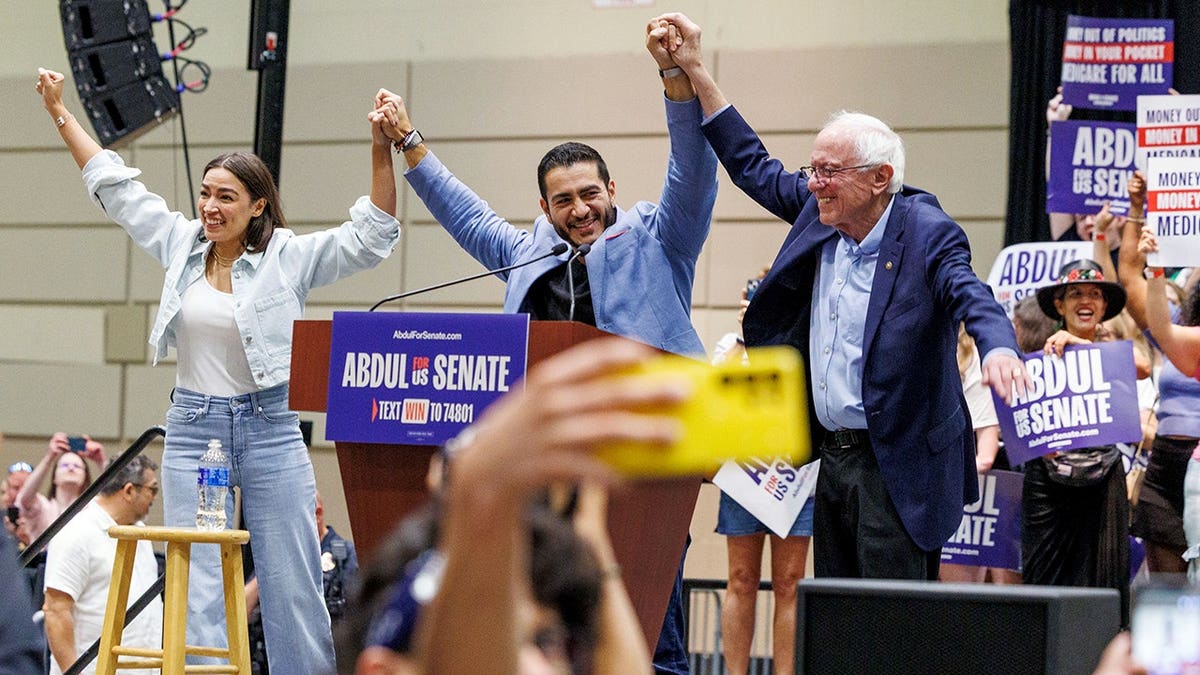
Abdul El-Sayed, a Democratic Senate candidate from Michigan, is among the candidates placing Medicare-for-all at the forefront of their midterm campaigns. El-Sayed has acknowledged that this policy would raise taxes in exchange for healthcare untethered from employment.
The implications of a nationwide single-payer system go beyond who foots the insurance bill. Experts note that such a system would change healthcare financing, provider payments, and the role of private insurance. This approach could potentially alter employment and care access compared to the current Medicare model it draws its name from.
As the late P. J. O’Rourke said, ‘if your healthcare is expensive now, wait until you see what it costs when it’s free,’
stated Michael Cannon, director of health policy studies at the Cato Institute. Ed Haislmaier from the Heritage Foundation echoed concerns about the costs not being addressed by the Medicare-for-all label.
El-Sayed defended his stance, arguing the average person’s second-largest W-2 deduction goes to health insurance companies, with some CEOs earning $20 million annually. He suggested that paying slightly more in taxes could secure healthcare independent of job status or personal changes.
One debate centers on provider payment rates. Current Medicare payments to hospitals and physicians are lower compared to private insurers. A single-payer system could expand government-rate care, which might require a significant revenue increase or reduced provider participation.
Critics often point to Canada and England regarding potential pitfalls of socialized medicine, such as long wait times for MRIs in Canada. Despite this, Cannon pointed to flaws in the U.S. healthcare system, suggesting market competition might bring universal care closer by involving patients in spending choices rather than employers or the government.
Haislmaier critiqued Medicare-for-all as a solution in search of a problem,
emphasizing cost over coverage, and advocating competition to reward better, cost-effective care. He mentioned alternative approaches, suggesting giving individuals control over their healthcare funds.
The current U.S. system contains elements found in other countries, like the Department of Veterans Affairs paralleling the British NHS. Despite this, Cannon argued the U.S. Medicare program is unique, contradicting claims of a European-style intent among Medicare-for-all supporters.
Cannon also highlighted significant government involvement in the U.S. health sector through various programs, suggesting the debate shouldn’t center on government versus non-government control.
It’s important to note that the proposed Medicare-for-all model isn’t free
healthcare, as it’s associated with premiums and deductibles. Some proposals might restrict private insurance, affecting service access as demand climbs with reduced out-of-pocket costs.
Financing such a model would need a dramatic rise in federal revenue, replacing employers’ and households’ current expenses. This financing challenge raises questions on how to balance broad care access without straining provider participation.