
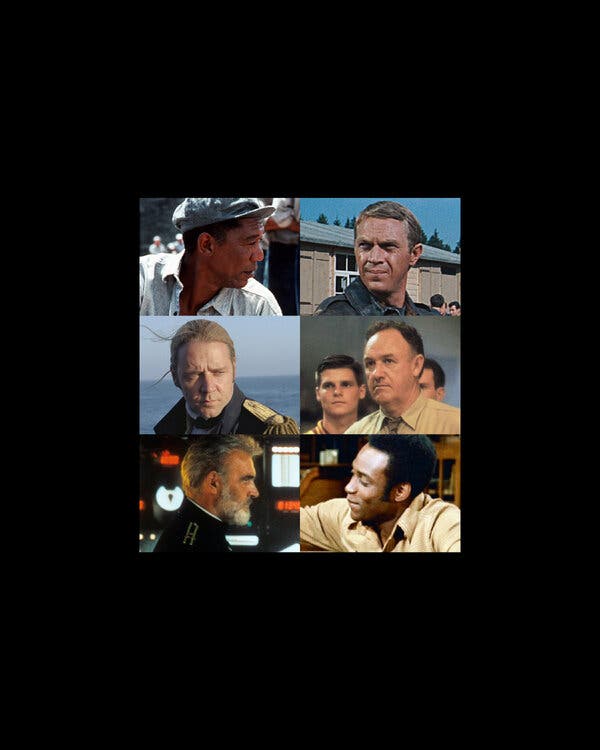
The concept of ‘Dad Movie’ serves as shorthand for films that resonate deeply with fathers. While the term can be reductive, it describes a specific kind of film that often appeals to a certain age group and disposition. This genre is marked by themes and emotional responses familiar to dads, even if its exact definition is elusive.
Classic Dad Movies gained popularity with baby boomers during the VHS boom of the 1980s and the advent of cable television. These films were readily accessible, making them staples in households. As time progressed, children of these dads grew up, bringing their own preferences into the mix, thereby expanding the definition of Dad Cinema to include movies from the ’80s and ’90s.
Certain genres are almost automatically classified as Dad Movies. Westerns often fall into this category due to their historical settings and robust action, accompanied by reflections on masculinity. War movies capture the attention of many fathers, illustrating military strategies, male camaraderie, bravery, and loss. Sports movies are similarly favored for their focus on friendship and teamwork, paralleling the live sports events many dads enjoy.
However, not all movies fit neatly into the Dad Cinema genre. Dads appreciate action films but are selective, often preferring those with practical effects and real stunts. Celebrities like Harrison Ford and Liam Neeson, who are seen as relatable heroes, align well with this preference. Dads typically eschew the intense visual effects or lengthy storylines of series like the ‘Transformers’ or Marvel franchises, seeking straightforward action.
The definition of Dad Cinema has evolved across generations. Notably, the ’80s and ’90s were monumental in action cinema, shaping perceptions of masculinity and adulthood. Films of this era, watched often with fathers, influenced viewers’ understanding of adversity and crisis. Heroes like John McClane of ‘Die Hard’ and Martin Riggs of ‘Lethal Weapon’ provided aspirational figures as resilient and cool icons.
Dad Movies, hence, are more than entertainment; they are touchstones of cultural and familial identity, reflecting changing tastes and shared experiences over generations.