
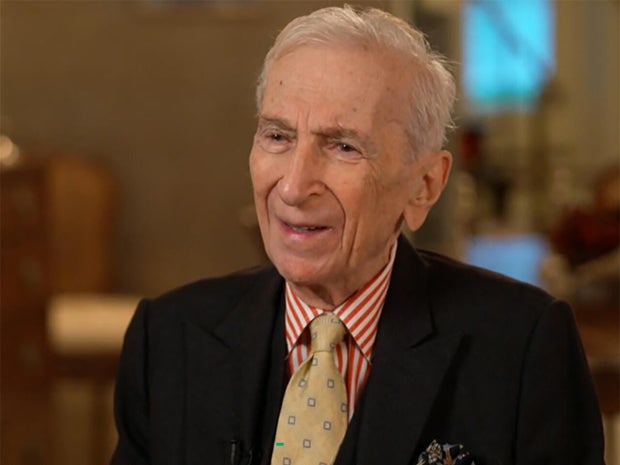
Gay Talese’s 1969 book, “The Kingdom and the Power,” explored the internal dynamics of The New York Times, detailing the power struggles and familial conflicts. It took Talese six years to complete this non-fiction work, which reads like a novel and became his first bestseller. Talese admitted to being a slow writer, with a critical eye on the tumultuous rather than the mundane, which he described as less appealing than dramatic events.
Talese, a revered figure among writers, has a career spanning nearly 70 years. Recently, the New York Public Library acquired his archive. He started at The New York Times by writing about the iconic sign displaying headlines in Times Square. Though the piece didn’t earn him a byline, Talese found his drive in narrating the stories of ordinary people.
Professor Robert Boynton from New York University considers Talese immensely curious. Talese, by 1965, found a home at Esquire, working under editor Harold Hayes alongside writers like Norman Mailer and Tom Wolfe. Assigned to write about Frank Sinatra in 1966, Talese managed to craft one of Esquire’s most famous articles without direct interviews with Sinatra by speaking to over 100 of those around him. This story exemplified “New Journalism,” blending narrative techniques with traditional reporting.
“Sinatra with a cold is Picasso without paint,” Talese wrote, highlighting the ripple effect of Sinatra’s absence on the industry.
This approach transformed journalism’s style from the straightforward narratives of Time or Newsweek. Although Talese said he didn’t value the Sinatra piece initially, he’s produced many significant works, like “Mr. Bad News” and profiles of sports legends.
His unique method involves what he calls “the art of hanging around,” gaining trust by closely following subjects in their daily lives. Talese’s attention to detail extended to dressing up for interviews or adopting different clothing styles when investigating worlds like pornography and organized crime.
Married to editor Nan Talese for 67 years, Gay Talese once considered writing “A Non-Fiction Marriage,” but it’s unfinished as their life together continues. Despite recent health challenges, including Parkinson’s, Talese aims to maintain a high standard in his writing, hoping his best work is still ahead.
In his New York office, surrounded by his meticulous archives, Talese reflects on his career, hoping that what he leaves behind will not embarrass him in the future. His life’s work, driven by the desire to do his best, defines his legacy in journalism.