
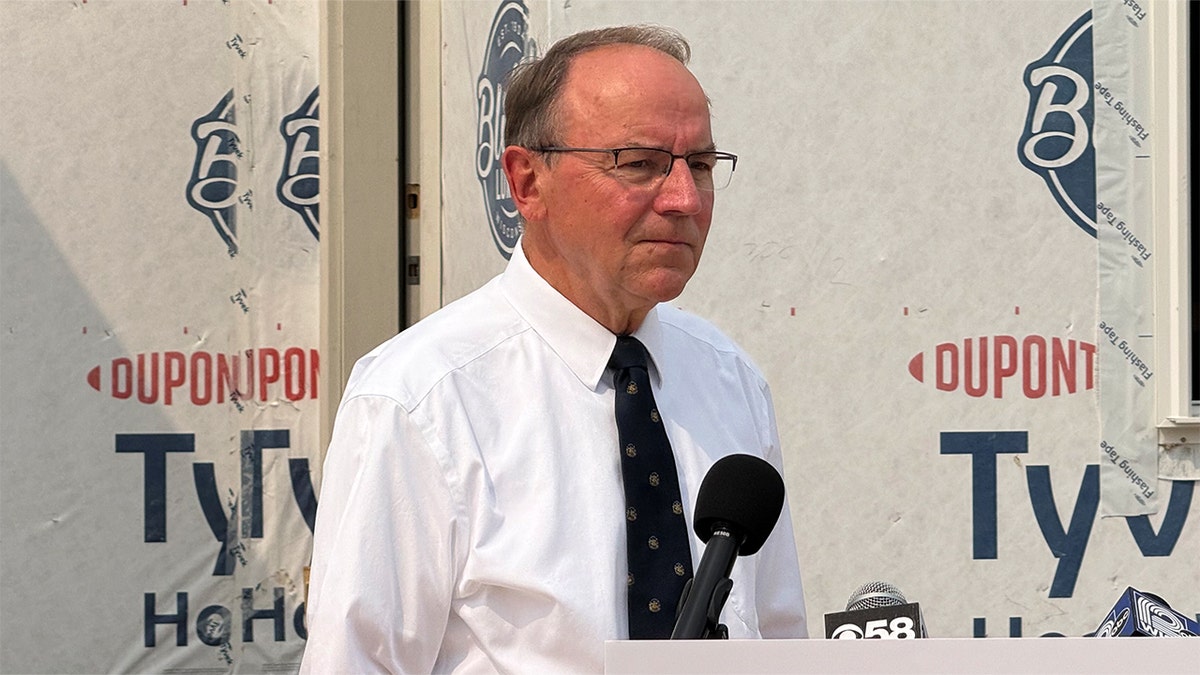
The political landscape in Wisconsin saw a significant development when Milwaukee County Executive David Crowley defeated state Rep. Francesca Hong to secure the Democratic gubernatorial nomination. This result highlights the ongoing tension between the center-left establishment and the progressive wing within the Democratic Party.
David Crowley earned strong support from retiring Governor Tony Evers. Both leaders expressed concerns that a primary victory for Hong could jeopardize Democratic control of the governor’s office. Now, Crowley is set to compete in the general election against the expected Republican nominee, Rep. Tom Tiffany. Tiffany is a member of the House Freedom Caucus and has the backing of former President Donald Trump.
Governor Evers announced he would not seek a third term, creating an open race for the Democratic nomination. This offered the party a rare opportunity to nominate a candidate without an incumbent on the ballot. The primary was closely monitored as a test of whether Wisconsin Democrats would lean toward the party’s progressive or establishment elements.
Francesca Hong, a former chef and single mother, represented the progressive faction. She received endorsements from national figures such as Reps. Ilhan Omar and Ro Khanna. Yet, Senator Bernie Sanders did not endorse Hong, citing unfamiliarity with her campaign.
Hong’s platform included policies like guaranteed paid leave, raising the state’s minimum wage to $20 per hour, and a one-year moratorium on building AI data centers in Wisconsin. Her past social media statements, advocating for police defunding and criticizing Thanksgiving, attracted controversy. However, during the campaign, Hong clarified she no longer supports reducing police budgets, emphasizing her commitment to public safety. She has also expressed a changed perspective on Thanksgiving.
The Democratic strategist in Wisconsin noted that Hong’s nomination could potentially affect the party’s performance in down-ballot races. This concern was echoed by moderate Democrats and pro-GOP super PACs, which invested heavily in the primary viewing Hong as a weaker general election candidate.
Despite Hong’s defeat, her campaign stressed the importance of letting voters determine the outcome. She emphasized the focus would remain on engaging with voters up to and beyond Election Day.