
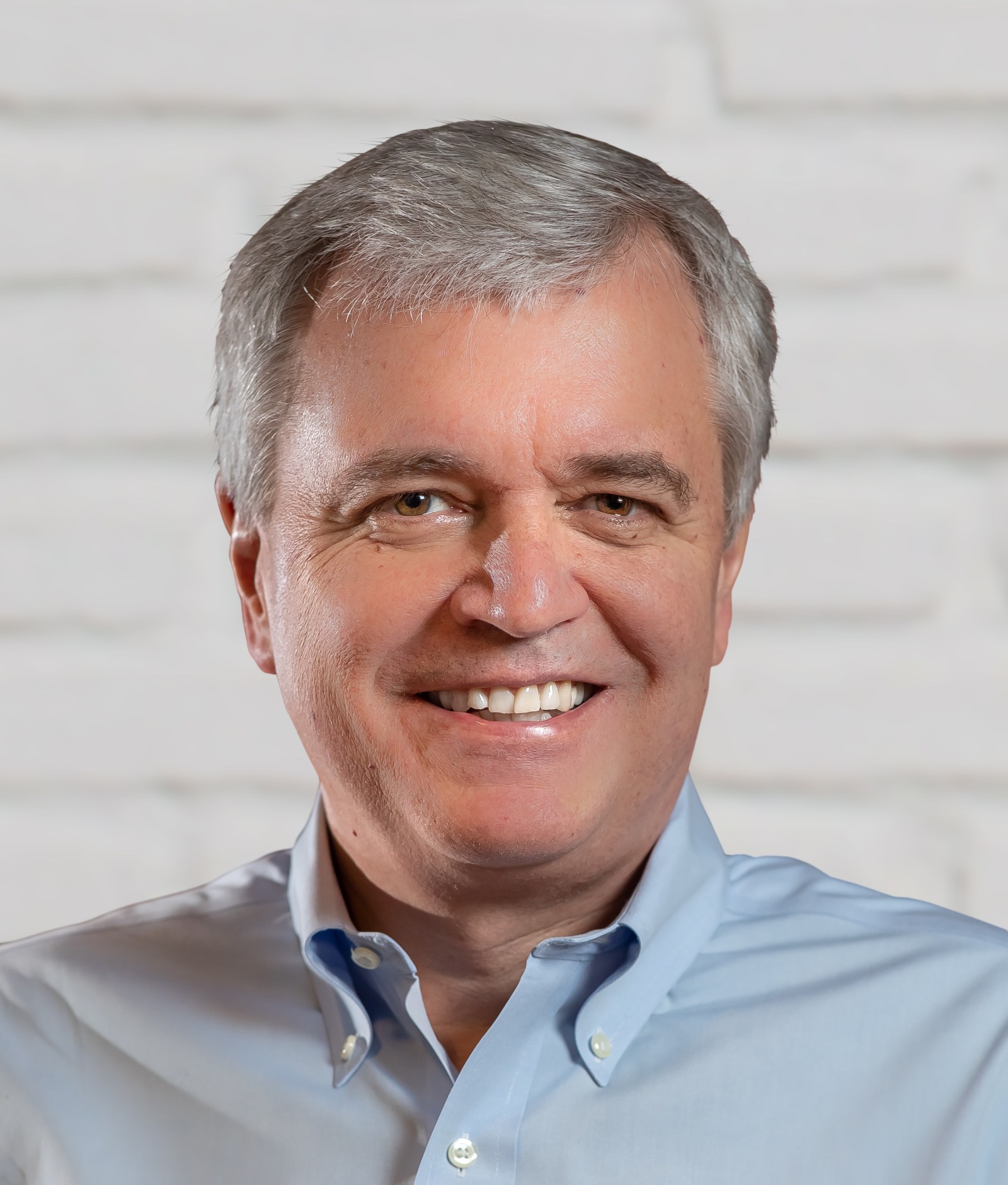
Cracker Barrel Old Country Store has appointed David Deno as its new chief executive officer (CEO) as part of a strategy to stabilize operations following significant public criticism and declining sales over the past year. Deno, who previously led Bloomin’ Brands, will take over the role on August 10, succeeding Julie Felss Masino. Masino, who became CEO in July 2023, will leave the board but will continue in an advisory capacity until October 9 to ensure a smooth leadership transition.
Challenges and Changes
The leadership change happens after Cracker Barrel faced a difficult year marked by substantial corporate culture disputes and financial challenges. The 55-year-old restaurant chain experienced backlash related to changes in its branding and other corporate decisions.
Cracker Barrel offered no comments to Newsweek on the recent developments. News inquiries were also sent to Deno for his response.
About David Deno
David Deno has a wealth of experience in the restaurant and retail industries, spanning over 40 years. Before his five-year tenure at Bloomin’ Brands from 2019 to 2024, Deno spent 15 years with Yum! Brands in senior executive roles as CFO and COO, as well as CFO of Pizza Hut. He started at Burger King and is currently on the board of directors for Krispy Kreme and Panera Brands.
David brings decades of experience across the restaurant and retail industries, with a strong track record of leading businesses through growth and a demonstrated commitment to operational excellence,” noted Carl Berquist, the independent chairman of Cracker Barrel’s board.
About Julie Felss Masino
Masino was appointed as Cracker Barrel’s president and CEO in July 2023. Her prior role was as president, international, of Taco Bell from January 2020 to June 2023. She had previously held positions at Fisher-Price at Mattel, Inc., Sprinkles Cupcakes, and Starbucks. Although she is stepping down on August 10, she will remain as an advisor until October this year.
Reaction to the Cracker Barrel Logo Change
During her tenure, Masino faced challenges when the company implemented a multi-million-dollar transformation plan. This included updated décor and a new corporate logo that temporarily removed “Uncle Herschel,” a man leaning on a barrel. This was the first logo change in nearly 50 years.
The change provoked adverse reactions from conservative media and online influencers who criticized the move as opposing traditional Southern Americana. Previous criticisms included the company’s Pride Month social media posts and its diversity, equity, and inclusion (DEI) policies. Collin Rugg shared his disappointment with millions, while others hyperbolically labeled the redesign as a “crime against humanity.” Former Ohio State Senator Nina Turner highlighted the misplaced focus of political commentators on social media.
Even former President Donald Trump reacted, urging Cracker Barrel to revert to the old logo, admit their error based on customer feedback, and manage the company more effectively. “They got a Billion Dollars worth of free publicity if they play their cards right,” Trump posted on Truth Social.
The swift reaction led to a significant financial impact; Cracker Barrel’s stock dropped by over 12 percent in one trading session, erasing nearly $100 million in market value. The company quickly reversed the logo change and stopped restaurant renovations nationwide.
Business analysts pointed out that the reversal decision led to wasted costs without addressing the underlying issues. From 2019 to 2024, Cracker Barrel’s operating income fell from $282.8 million to $45.1 million, and operating margins declined to 1.3 percent.
Logo changes and advertising campaigns are increasingly becoming flash points in cultural debates as consumers view corporate decisions through political lenses. Thomas Murphy, from Clark University’s School of Business, explained Cracker Barrel’s challenge. “The desire to rebrand is typically driven by either a major change in consumer behaviors or a brand dramatically changing who they want to be,” he noted, observing how younger audiences may not connect with the traditional brand image.
Julie Masino’s Reflections
In the official announcement, Masino did not issue a lengthy personal statement, but Carl Berquist expressed the board’s gratitude for her leadership and commitment. He appreciated her willingness to assist during this transition.
Later, in a candid interview, Masino admitted feeling as if “fired by America” due to the intense backlash. She acknowledged the oversight in not appreciating how deeply customers identified with the traditional brand. Masino rejected allegations that the changes were politically motivated, stating unequivocally: “We’re not trying to make political statements… No, it’s pancakes.”