
Jury Deliberations Begin
Judge William Sullivan handed over the case to the jury after giving detailed instructions on how to consider charges against Clancy. A foreperson was selected, and alternate jurors were chosen. Sullivan expressed confidence in the jury’s ability to reach a verdict, stating, “I don’t think I’ve ever seen a more dedicated group of jurors in any trial that I’ve ever been involved in.”
Prosecution’s Closing Argument
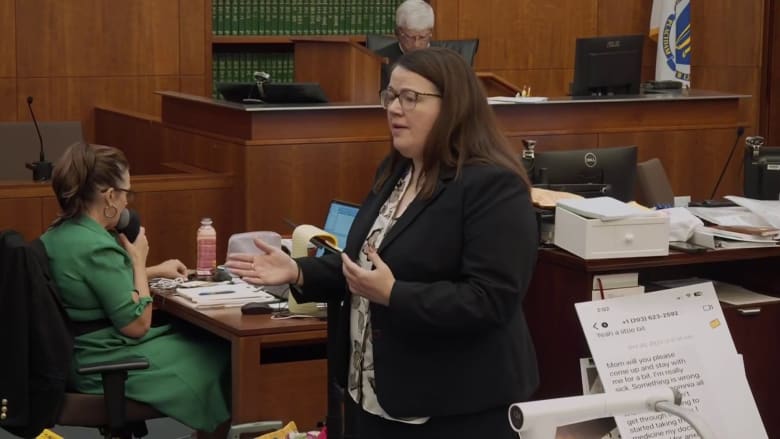
Jennifer Sprague concluded her closing argument asserting Clancy’s guilt, describing the scene in the basement after the killings. Sprague focused on the evidence supporting the charge of murder under extreme atrocity and cruelty, detailing how Clancy killed her children and the horror they experienced.
Sprague challenged the defense’s explanation, emphasizing Clancy’s choices and actions. She disputed that Clancy was under the influence of psychosis, arguing her actions reflected conscious decisions.
Sprague questioned the timing of Clancy’s actions, stating they did not align with a claim of being compelled by voices after Patrick Clancy’s phone call.
Defense’s Closing Argument
Kevin Reddington argued for Clancy’s innocence due to mental disease or defect, particularly postpartum psychosis. He highlighted Dr. Phillip Resnick’s testimony that Clancy was in a state of psychosis during the killings.
Reddington noted Clancy’s suicide attempt was a profound and genuine act, countering prosecution’s doubts about its seriousness. He emphasized Clancy’s past as a loving mother and nurse, arguing her mental health condition was a critical factor in her actions.
Jury Instructions and Deliberation
Judge Sullivan explained the jury’s role in deciding whether Clancy’s actions were marked by “extreme atrocity or cruelty.” He outlined the prosecution’s burden of proving Clancy was not suffering from a mental disease at the time of the killings.
The jury must consider if Clancy appreciated the wrongfulness of her conduct or had the capacity to conform to legal standards despite any mental illness.
Closing Scenes from the Courtroom
During the closing statements, the courtroom was filled with spectators and press. The jury showed emotional reactions, with some jurors visibly affected by the proceedings.
Throughout the trial, both prosecution and defense presented arguments and evidence regarding Clancy’s mental health condition, her actions on the night of the killings, and whether she should be held criminally responsible.