
A judge sentenced 16-year-old Colt Gray to life in prison without parole for the killing of two students and two teachers at Apalachee High School, Georgia. The court described Gray’s actions as ‘deliberate, contemplated evil.’
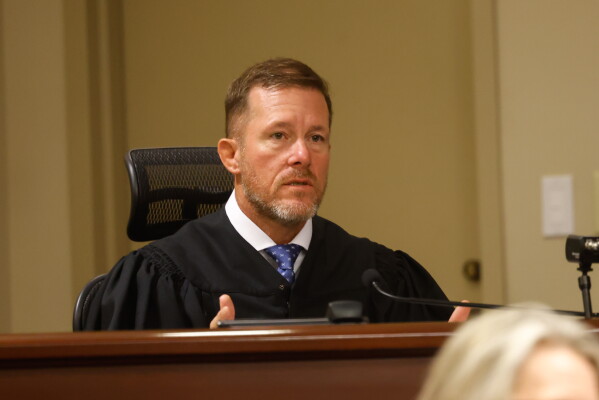
On September 4, 2024, Gray pleaded guilty to 55 counts, including murder, related to the shooting at the school located 45 miles northeast of Atlanta. Judge Nicholas Primm issued the life sentence after hearing testimonies from victims’ families, investigators, Gray’s grandmother, and a forensic psychologist.
In Georgia, murder mandates a life sentence. Judge Primm decided Gray should never qualify for parole, citing the teen’s apparent pride in his actions and his emulation of known murderers. Primm said, “You do not seem to be tormented by what you did. You seem to relish following in the footsteps of the murderers you idolize.”
“We’ve seen no evidence he has any ability to develop a conscience or any ability ever to fully value human life,” District Attorney Brad Smith stated during the sentencing.
Gray’s defense attorney argued that his client was not beyond reform and proposed parole as an opportunity for hope. However, the victims’ families largely opposed parole, describing ongoing grief like a ‘life sentence.’ Among those killed were teachers Richard Aspinwall, 39, and Cristina Irimie, 53, along with 14-year-old students Mason Schermerhorn and Christian Angulo.
During the sentencing hearing, investigators said Gray aspired to be a mass shooter and engaged with like-minded individuals online. They revealed that he discussed gaining notoriety through the attack. Recorded conversations between Gray and his mother highlighted his fascination with the attention and notoriety following the shooting.
The prosecutor noted Gray’s calculated mimicry of famous mass shootings, suggesting his actions were a step towards attaining long-term fame within the ‘true crime community.’
Gray’s grandmother testified about his unstable upbringing, indicating that his parents failed to provide necessary support. She suggested he became hostile and aggressive in the weeks leading up to the shooting. Despite her attempts to seek help for him, no action was taken.
While in detention, Gray reportedly showed improvement with treatment and medication, according to his grandmother and state-appointed officials. Social services placed him in foster care due to inadequate parental contact.
The judge acknowledged Gray’s difficult childhood but maintained that it did not excuse his decisions and actions, emphasizing the gravity of the crimes and their implications.