
College football never ceases to intrigue. As the new season looms, fresh controversies have emerged, filling the offseason with debates. Discussions ranged from the significance of strength of schedule in defining the playing calendar, to the shifting dynamics between the SEC and Big Ten. Additionally, there have been concerns over the potential federal government intervention in collegiate athletics, further compounded by ongoing NIL (name, image, and likeness) issues. As the season inches closer, a fresh dilemma has surfaced, driven by legal cases linked to the NCAA’s extension of eligibility.
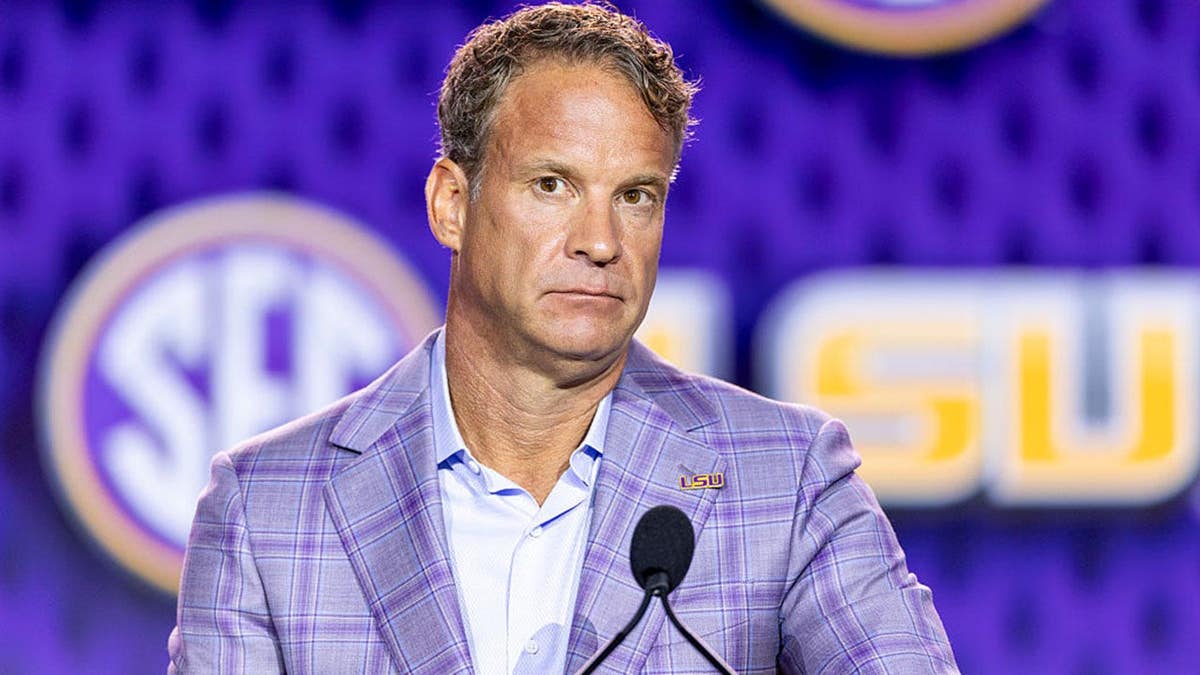
This change allowed athletes who’ve transitioned to the NFL to potentially return to college football. Opportunistic coaches have quickly seized the chance to bolster their teams with seasoned, physically developed players. Lane Kiffin, recently appointed LSU Tigers head coach, is among those embracing this strategy.
“I told myself I would stop saying this is crazy,” remarked Ryan Day, Ohio State Buckeyes head coach. “But we’re late in the season with unlocked rosters, that’s frustrating. It’s essential for conferences to determine when rosters should be finalized. Adding experienced NFL players can tip the scale for certain teams. Discussions are ongoing to address this.”
Day emphasized the importance of strategic adaptation to remain competitive. Programs now face pressure to consider onboarding NFL across teams, similar to securing top-tier recruiting classes or efficiently utilizing transfer portals and NIL.
The situation remains contentious, highlighted by LSU’s acquisition of an ex-NFL player, Dae’Quan Wright, sparking debates across college sports circles. Day’s observations of this unconventional development underline the shifting terrain of college football, demanding robust leadership to maintain balance.
Despite the chaotic nature of the current scenario, Ryan Day remains focused on making decisions that benefit Ohio State. As the season unfolds, adapting to these changes is essential for maintaining competitiveness among peer institutions.