
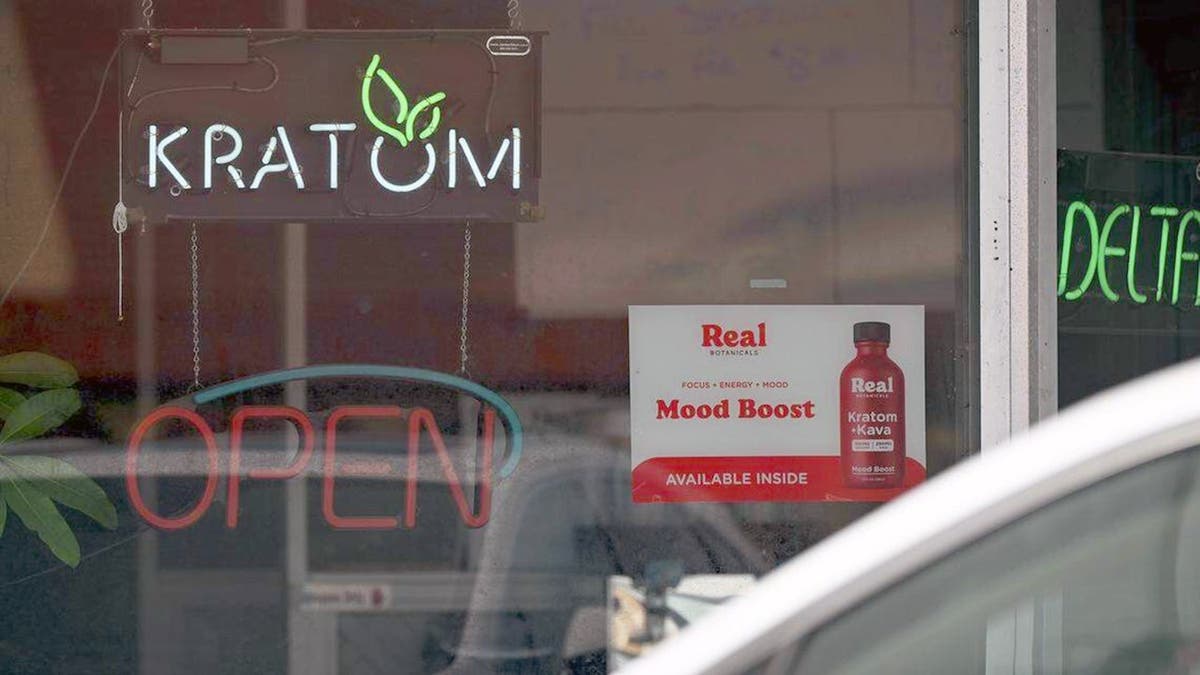
The deaths of two University of Mississippi students have prompted renewed concerns about the potential health risks associated with kratom. Both students died on the campus, with investigations revealing packaged kratom purchased from a local store, according to a Lafayette County Metro Narcotics news release via the Oxford Police Department.
Potential Health Risks
Kratom, often marketed as a natural remedy for pain relief or opioid withdrawal, is a plant-based substance. However, experts caution that it can lead to dependence, hazardous interactions, and other significant health issues.
According to Dr. Marc Siegel, a Fox News senior medical analyst, kratom acts as a stimulant at low doses, potentially causing heart arrhythmia. At higher doses, it functions similarly to an opioid, risking breath suppression.
Kratom Availability
Jessica Steinman, chief clinical officer at No Matter What Recovery in Los Angeles, pointed out the widespread availability of kratom. It is sold at various outlets, including gas stations, smoke shops, and health food stores, often marketed as an energy booster. This accessibility has led to its misuse and mass consumption by individuals.
Effects on Health
Kratom interacts with opioid receptors in the brain, Steinman explained. This can result in excessive sedation, slowed breathing, and impaired lung function. Furthermore, kratom has a high potential for addiction.
Traditional kratom products tend to have lower levels of active compounds, but there are newer 7-OH products designed to be more potent. These products contain 7-hydroxymitragynine, an opioid-related compound found in kratom.
Regulatory Concerns
Kratom laws differ across states and localities. Steinman noted an increase in regulatory focus on concentrated 7-OH products and synthetic kratom compounds rather than traditional botanical kratom.
Reasons for Increased Usage
Kratom’s popularity among young people may stem from social media or peer influence. College students, in particular, might use kratom for its stimulant properties to stay awake and study, or for its opioid-like effects to handle stress or anxiety.
Dangerous Combinations
Combining kratom with alcohol, marijuana, or benzodiazepines increases its lethality. Steinman stressed the importance of seeking medical help if slow or shallow breathing occurs alongside drowsiness or difficulty awakening.
Withdrawal and Addiction
Withdrawal symptoms can arise from reducing or abruptly stopping kratom use after regular consumption, including seizures. Anyone experiencing a seizure should receive emergency medical care.
Steinman emphasized that natural substances aren’t necessarily safe, noting that kratom affects the brain’s opioid receptors, potentially leading to addiction.
Industry Insights
Dallas Vasquez, CEO and co-founder of Mitra9 Brands, highlighted the distinction between botanical kratom products and those formulated with synthetic 7-OH. He noted the FDA’s concerns and the DEA’s actions regarding enhanced 7-OH products.
Mitra9’s products use kratom extract derived from natural leaves, avoiding isolated or synthetic 7-OH. Product labels advise not exceeding the recommended serving, avoiding use during pregnancy, and consulting a physician if managing a medical condition.
Vasquez emphasized the need for transparency in the kratom market, supporting stronger standards for testing, labeling, and age restrictions. Consumers should be aware of the products they purchase.