
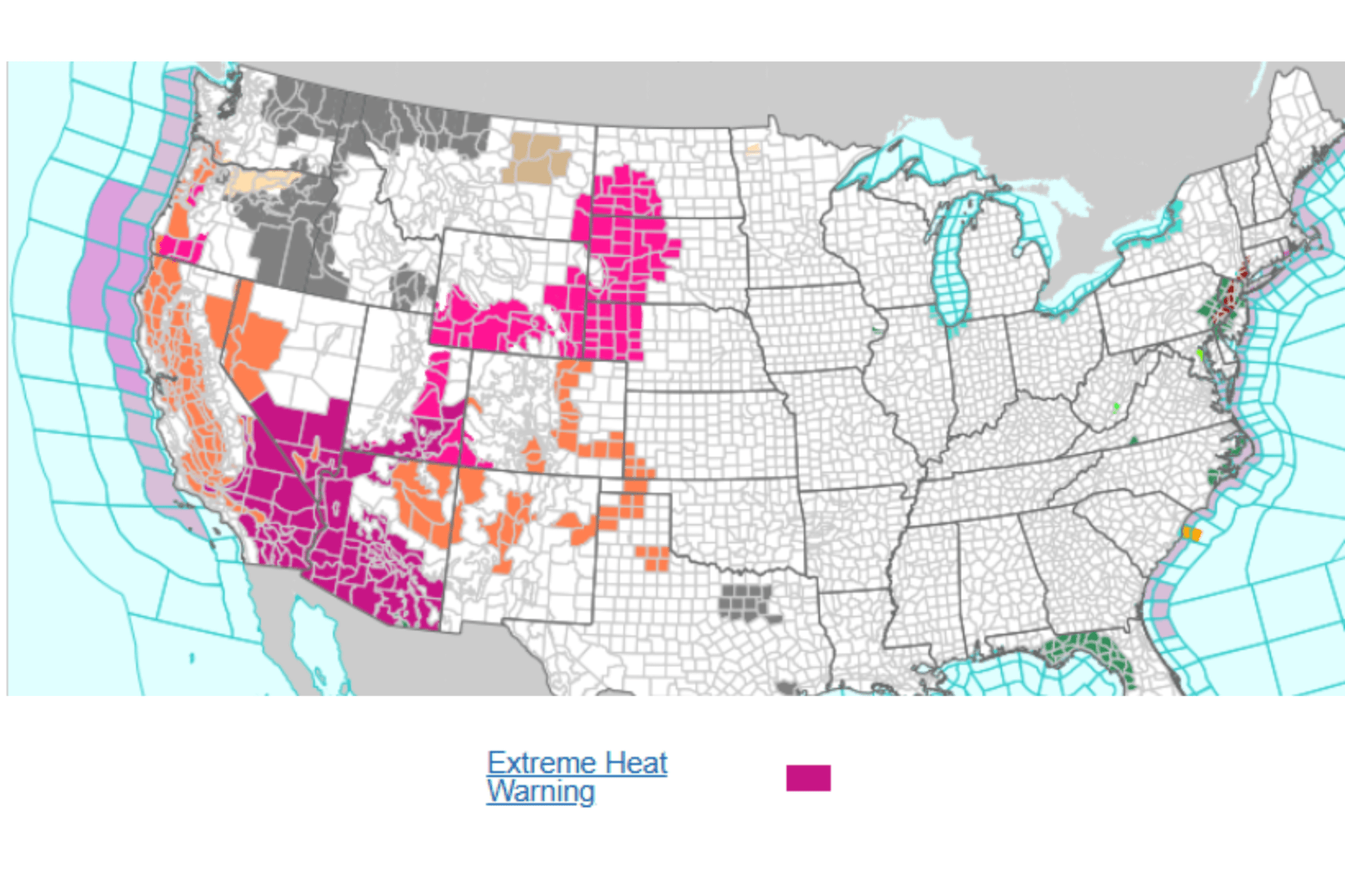
Overview of Current Heat Conditions
Millions across the Southwest face Extreme Heat Warnings this week. Parts of Arizona, California, Nevada, and Utah are affected by these dangerous temperatures. Concerns rise about the risk of heat-related illnesses and fatalities.
The National Weather Service (NWS) has issued several warnings. Highs above 100 degrees Fahrenheit are common, with some areas nearing 120 degrees.
Why Extreme Heat Is Concerning
Extreme heat is the deadliest weather-related hazard in the U.S. It accounts for more deaths annually than hurricanes, tornadoes, or floods. Prolonged high temperatures can lead to serious conditions like dehydration, heat exhaustion, and potentially fatal heat stroke. Those at greatest risk include older adults, young children, outdoor workers, and individuals without air conditioning.
Even nighttime temperatures are staying warm, reducing relief and increasing the risk of heat-related ailments.
Heat Impact in Arizona
Arizona is experiencing some of the highest temperatures. The Phoenix area is under a warning until Tuesday night, expecting highs between 109 and 116 degrees.
Other regions in Arizona, such as Yuma County and areas around Apache Junction, anticipate temperatures from 107 to 118 degrees until Tuesday. Northern regions like parts of Gila and Yavapai counties will see 107 to 113 degrees. The lower Grand Canyon could reach 110 to 114 degrees.
Southeast Arizona, including Tucson and Safford, expects highs between 101 and 112 degrees.
California’s Heat Situation
Much of California is also affected by Extreme Heat alerts. Imperial County will endure temperatures from 107 to 119 degrees until Tuesday. Areas like Coachella Valley and parts of San Diego County may reach up to 115 degrees.
Los Angeles County’s Antelope Valley is under alert through Wednesday evening, with expected highs of 100 to 110 degrees. Mojave Desert regions and nearby areas may experience temperatures as high as 112 degrees on Monday.
Nevada’s Response to Intense Heat
Southern Nevada is under an Extreme Heat Warning until Wednesday evening. Las Vegas and surrounding desert communities expect temps between 110 and 120 degrees. Overnight lows may stay in the 80s or 90s, increasing the stress on residents.
Utah’s National Parks and Heat Warnings
Southern Utah also faces extreme temperatures. Warnings are in place until Monday evening in areas like St. George and Zion National Park, expecting up to 112 degrees.
Other affected areas include Capitol Reef and Canyonlands. These regions may see temperatures between 105 and 110 degrees. Near Moab, temps may hit 108 degrees before easing later this week.
Understanding the Danger
Extreme temperatures combined with warm nights hinder the body’s ability to cool down. Heat exhaustion symptoms include heavy sweating, weakness, dizziness, nausea, and headaches, potentially leading to life-threatening heat stroke.
Essential Actions During Extreme Heat
- Stay hydrated by drinking water throughout the day.
- Seek air-conditioned environments whenever possible.
- Check on the elderly, neighbors, and vulnerable individuals.
- Avoid strenuous outdoor activities between afternoon and early evening.
- Wear lightweight, loose-fitting clothing.
Residents should not leave children or pets in parked vehicles. Ignoring heat exhaustion or engaging in intense outdoor activities without breaks and water is discouraged.
Looking Ahead
The extreme heat is likely to persist through Monday in Utah and California. Arizona and Nevada face warnings until Tuesday or Wednesday. Dangerous conditions might extend beyond these dates, so staying updated with forecasts and advisories is critical.