
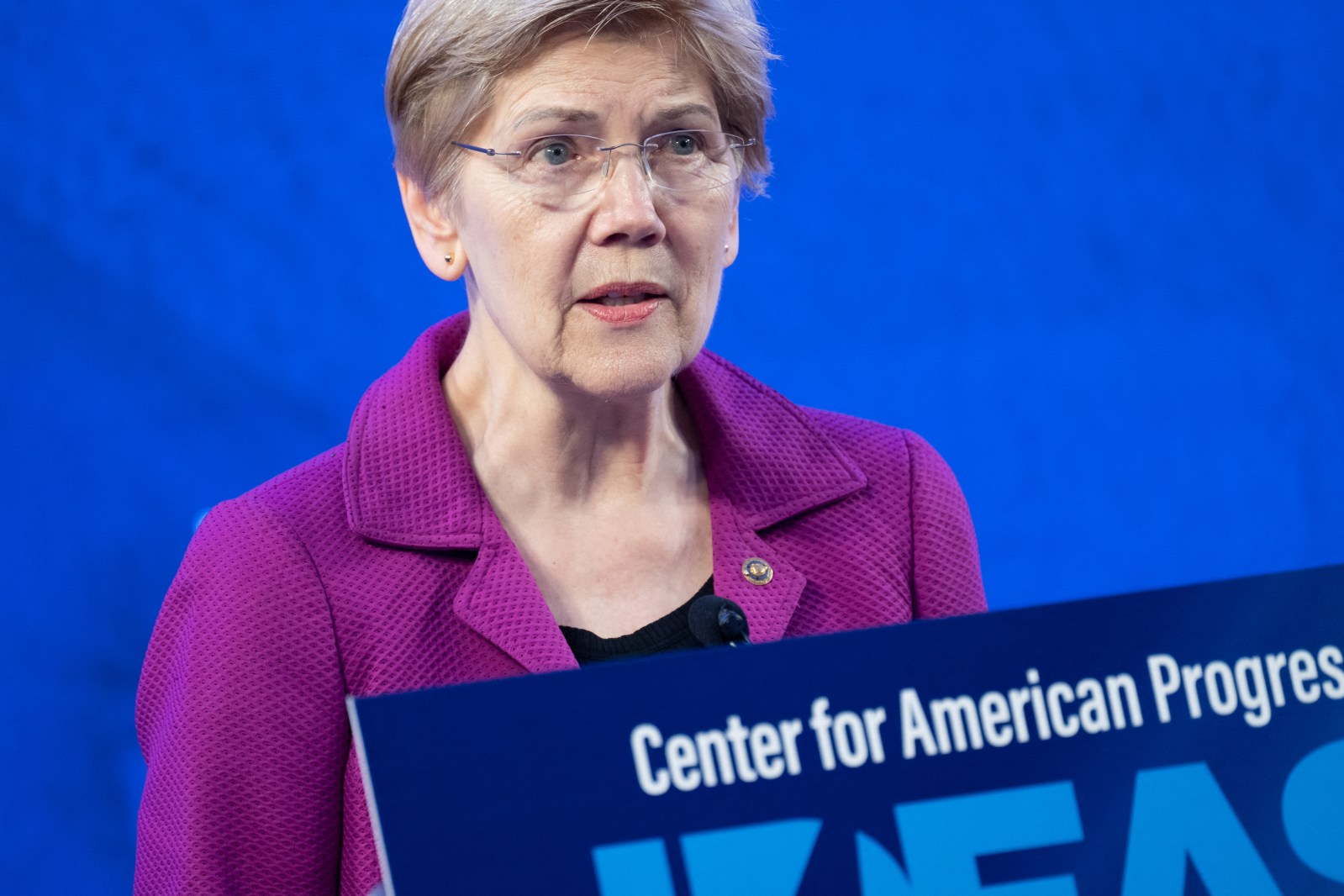
Senator Elizabeth Warren and other Democratic lawmakers are voicing concerns about proposals from some Republicans to increase the retirement age. This move could lead to significant cuts in benefits for millions of Americans. Their warning comes as Congress deals with the challenge of Social Security’s financial shortfall.
In a letter to President Donald Trump, Senators Warren, Tammy Duckworth, and Richard Blumenthal highlighted the historical attempts by Republicans to alter Social Security. These attempts include plans to raise the retirement age or means-test benefits. They argue that such measures could worsen the impending retirement income crisis by pushing older Americans into poverty.
Importance of Addressing the Issue
Social Security’s financial situation is deteriorating. The main trust fund is projected to be insolvent by 2032. At that point, it would only be able to pay about 78% of scheduled benefits. This reality has prompted discussions in Washington about possible reforms, with increasing the retirement age being a contentious option.
History of Retirement Age Changes
Yes, the retirement age has increased in the past. The original full retirement age (FRA) was set at 65 when Social Security began in the 1930s. In 1983, Congress passed amendments to raise the FRA gradually to 67. This change was a response to longer life expectancies and financial pressures on the system.
Kevin Thompson, CEO of 9i Capital Group and host of the 9innings podcast, believes a future increase is likely. Democrats worry that raising the retirement age or privatization discussions could impact current and future beneficiaries.
Global Trend
Countries worldwide are increasing retirement ages due to aging populations, longer life expectancies, and pension system strains. The U.K. and Germany, for example, are raising their retirement ages to match the U.S. age of 67. Denmark, the Netherlands, and Italy plan to set the age at 70 or higher.
Republican Viewpoints
Concerns arise from Republican comments, including remarks from Social Security Administration Commissioner Frank Bisignano and Centers for Medicare and Medicaid Services Administrator Mehmet Oz. Discussions have considered raising the full retirement age to as high as 69, which effectively reduces benefits by delaying full payment collection.
Thompson highlights that life expectancy and individual aging differ significantly. Increased retirement age disproportionately impacts lower-income Americans, who may struggle with health issues as they age.
Impact of Retirement Age Increase
Estimates indicate a two-year increase could cut monthly benefits by 17 to 35 percent, reducing payments by $345 to $741 for the median retiree.
Public Opinion
Raising the retirement age lacks public support. A Ronald Reagan Institute survey showed 74% of voters oppose it, preferring to avoid cuts to benefits.
With insolvency projected in 2032, many worry about Social Security funding. Proposed solutions involve raising taxes or reallocating funds, while raising the retirement age is unpopular politically.
Challenges in Retiring on Time
Many struggle to retire at the current age. Labor force participation for older Americans has grown, but Social Security remains a vital income source for 87% of older households. Forty percent rely on it for at least half of their income.
Raising the retirement age impacts lower-income workers and those in physically demanding jobs, who may not be able to extend their working years. The program’s shortfall results from an aging population, fewer workers relative to retirees, and lower birth rates and immigration.
Legislative Proposals
Some Republicans advocate raising the retirement age, while others pursue bipartisan solutions, like the Bipartisan Social Security Commission Act. This bill aims to develop long-term solutions before automatic benefit cuts kick in due to insolvency.
Alex Beene, a financial literacy instructor, notes that raising the retirement age is politically unpopular, making it unlikely that significant policy changes will occur in the near term.
The Future of Social Security
Social Security remains a key policy issue. While Democrats seek assurances that raising the retirement age won’t be pursued, Republicans and policy experts consider it among other possible reforms.