
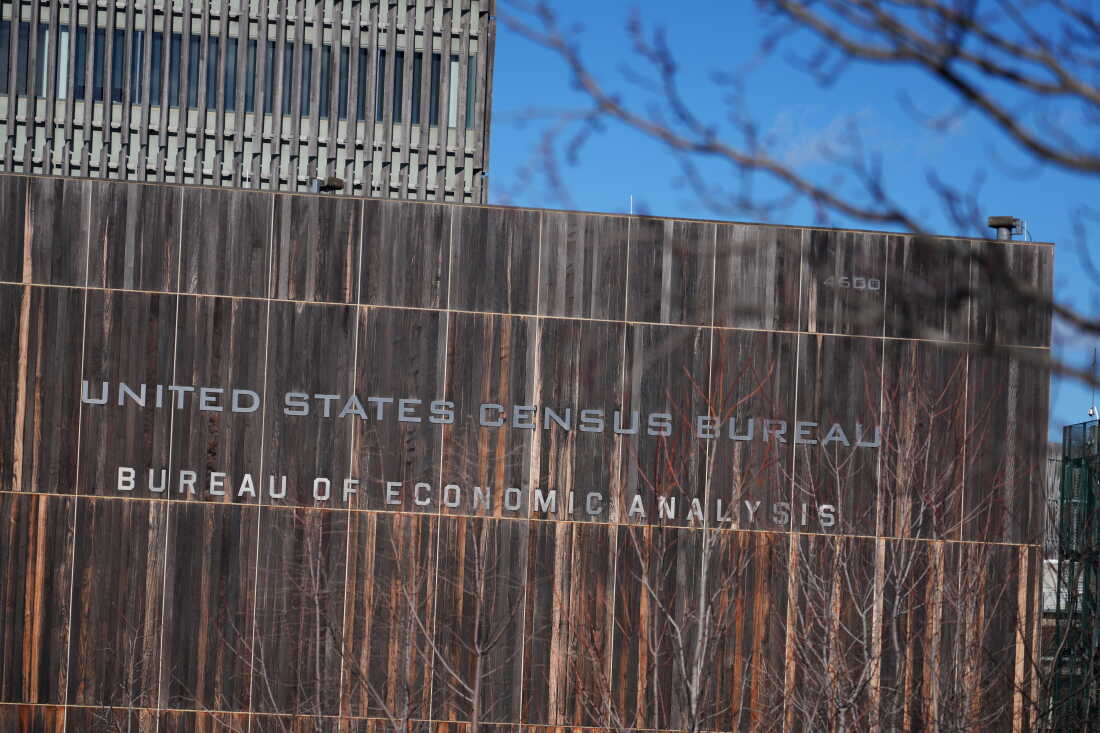
The Trump administration revised the scientific integrity policy for the Commerce Department. This department oversees agencies like the Census Bureau and the Bureau of Economic Analysis. NPR discovered these changes, which removed sections banning political interference.
The policy change occurred quietly on August 19. This was just after a notable report from the bureau about non-U.S. citizen voting, linked to a think tank from Trump’s first term. This revision impacts agencies such as the National Oceanic and Atmospheric Administration and the Bureau of Economic Analysis. It has sparked worries among former Census Bureau officials and data experts. These changes raise questions about political influence in government statistics as the 2030 census approaches. This census will determine political representation and federal funding distribution for the next decade.
Absence of Protections Against Influence
In January 2025, just before Trump’s second term, the Commerce Department updated its scientific integrity policy. It previously banned interference in data collection and analysis without scientific basis. The policy aimed to ensure scientific findings were not politically influenced. It emphasized independent reviews to uphold integrity. The latest revision lacks such language, according to NPR’s analysis. It adopts a similar definition of scientific integrity but no longer highlights ‘protection from inappropriate influence’ as a key feature.
Neither the Commerce Department nor Census Bureau officials responded to NPR’s requests for comment.
Concerns of Weaponizing the Census Bureau
The change in policy has led to heightened concerns from experts like Nancy Potok. She is a former deputy director at the bureau and warns of weakening protections against political influence. She refers to a 2018 law, known as the ‘Trust Regulation,’ which aims to safeguard the objectivity of federal statistics. Potok considers the removal of critical language a significant shift that endangers data integrity.
Robert Santos, former Census Bureau Director and Biden appointee, finds the timing of the revision alarming. It coincides with a controversial report on noncitizen voting. Santos argues this could indicate partisan influence, lacking transparency and expert input.
Broader Implications and Concerns
The revision is part of broader changes under the Trump administration, which have already raised alerts. In June, the bureau’s use of a longstanding data privacy protection method was banned. This has delayed new estimates from the American Community Survey. It risks reducing available data on local areas and small populations. The administration has also suggested significant modifications to the 2030 census. These actions come during a challenging time for the bureau, following a workforce reduction that depleted its pool of statisticians and experts.
Beth Jarosz, from the Association of Public Data Users, expresses concerns about the revised policy’s structure. It introduces a new system for addressing violations, giving less oversight to the department’s legal teams. She believes it creates opportunities for external pressure on staff and weakens existing safeguards.