
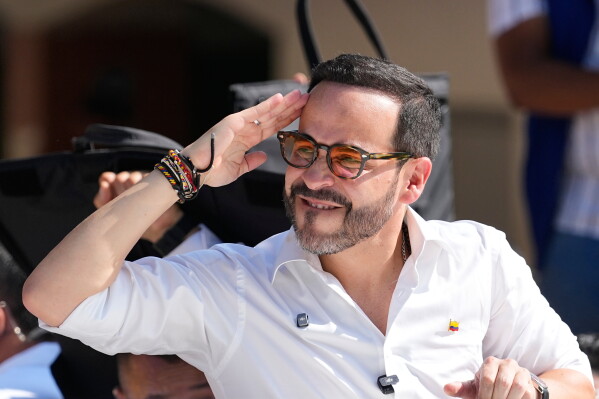
In the first round of Colombia’s presidential election, Abelardo de la Espriella and Iván Cepeda emerged as the leading candidates. De la Espriella, known as “The Tiger,” is a tough-on-crime lawyer. He has portrayed himself as a supporter of former U.S. President Donald Trump and vows to crack down on criminal groups. He received nearly 44% of the votes but did not achieve the 50% needed to win outright.
Iván Cepeda, a progressive senator, aligns with outgoing President Gustavo Petro. He supports a push for total peace and earned just under 41% of the votes. This sets the stage for a runoff between the two candidates later in June.
President Petro questioned the election results on social media, claiming manipulation without evidence. Paloma Valencia, representing a centrist view from Colombia’s establishment party, gained less than 7% of the votes.
The Polarized Vote
Cepeda was leading polls during the campaign but faced a close result with de la Espriella. Analysts expect de la Espriella to gain support from Valencia’s voters in the runoff. His campaign celebrated in the coastal city of Barranquilla.
Latin American voters are increasingly supporting candidates who propose strong security measures over those promising progressive solutions. This trend has been noted as the U.S. government exerts pressure on Latin American countries to combat crime.
Diverging Visions for Peace
Cepeda aims to continue Petro’s progressive agenda, which has included attempts to negotiate peace with armed groups despite its challenges. De la Espriella, however, plans to build 10 mega-prisons and adopt a firm stance against crime, similar to El Salvador’s president’s approach.
The election is seen as critical for the region. It questions whether progressive policies or a shift to more conservative ones will dominate in Latin America.
A Referendum on Petro’s Legacy
This election marks a decade since Colombia’s historic peace pact with the FARC. The agreement aimed to end longstanding violence, yet armed conflict has persisted. Criminal groups have expanded during negotiations, leading to renewed violence.
Some Colombians support de la Espriella’s strict measures, while others, like sociologist Juan Acevedo, express concern over a return to aggressive military campaigns. They advocate for continued peace efforts despite previous setbacks.
Choices in this election reflect the country’s ongoing struggle with violence, as voters decide between continued peace negotiations or a stringent security approach.