
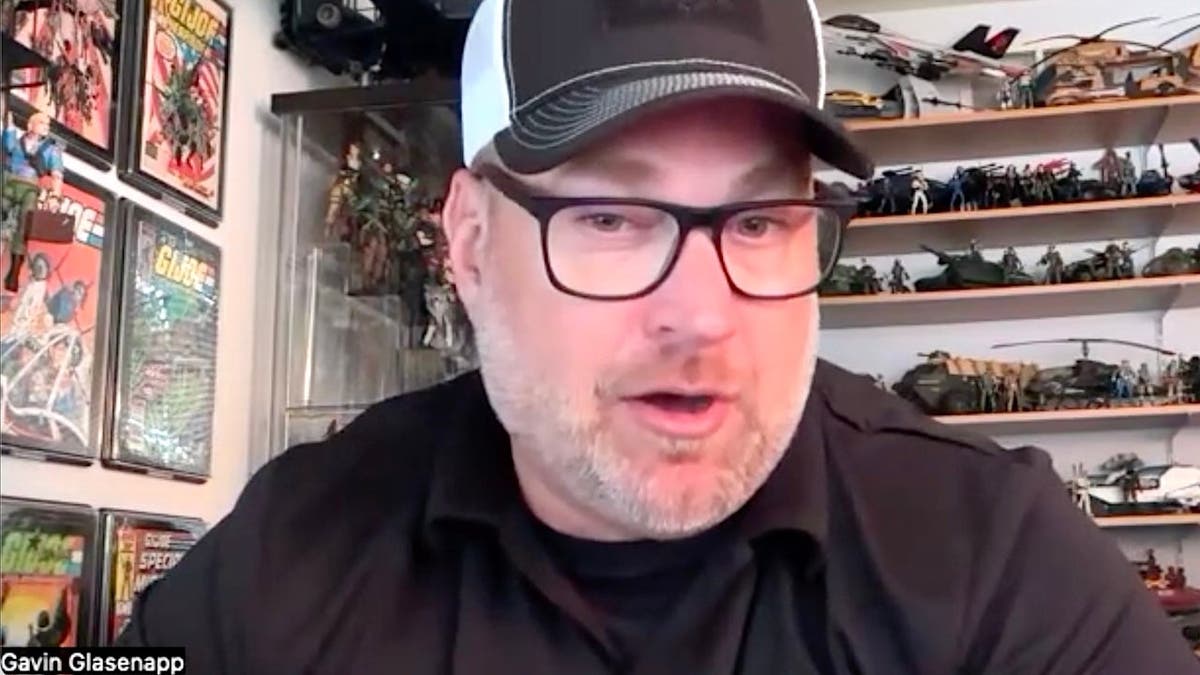
A retired Army veteran is advocating for Congress to allow former special operations forces to have nationwide concealed carry rights similar to those of retired law enforcement officers. He argues that these elite service members, uniquely trained, are well-equipped to protect themselves and others.
Proposal for Special Ops Concealed Carry
The Special Operations Forces Concealed Carry Act, introduced recently by Sen. Tim Sheehy and previously in the House by Rep. Pat Harrigan, aims to extend these rights. Gavin Glasenapp, a 20-year Army veteran, expressed support for the act. He highlighted the expertise and training these individuals bring.
Emphasis on Safety and Training
Supporters believe increasing the number of trained individuals carrying firearms will enhance public safety. They cite cases, like the armed bystander in Idaho, where concealed carry training helped avert further violence.
Glasenapp emphasized the importance of situational awareness through concepts like the OODA loop. Continual observation, orientation, decision-making, and action are crucial.
Challenges and Comparisons
Nationwide concealed carry reciprocity faces challenges, but expanding rights to special ops veterans could be a step toward broader changes. Under current law, retired law enforcement officers enjoy nationwide rights absent for special ops veterans.
Glasenapp noted the convenience of such laws for law enforcement, allowing seamless travel without navigating different state laws.
Differing Legislative Proposals
The Senate bill includes annual training and certification requirements, while the House version aligns with existing LEOSA standards, requiring no extra certification. Glasenapp advocates regular training for all.
Special operators have extensive experience and ongoing firearms training, crucial for maintaining proficiency. They also adapt quickly to different regulations from their service experience.
Distinction From Combat Zones
Critics suggest military experience could lead to improper use in civilian settings. Glasenapp refuted this, noting the distinct legal responsibilities of civilian concealed carry. He holds a civilian permit and stressed awareness of various legal frameworks related to carrying a firearm.
A Call for Legislative Change
Glasenapp voiced optimism for the bill’s passage, seeing it as a recognition of the skills and judgment demonstrated by special operations veterans. He believes the change is necessary.
Eric Mack reports on breaking news and leads coverage on politics and government matters.