
Bipartisan legislation aimed at regulating the business behind college sports is close to clearing the Senate, but its journey in the House may be difficult when lawmakers return in the fall. The Protect College Sports Act, supported by Senators Ted Cruz (R-Texas) and Maria Cantwell (D-Wash.), passed significant congressional hurdles last week. Over 70 senators backed the act on two procedural votes, including key Democrats and conservatives who were hesitant for weeks.
Senator Cruz emphasized the importance of a strong bipartisan vote to gain momentum and persuade skeptical House members. In private discussions, he encouraged Speaker Mike Johnson (R-La.) to keep members in town to address his bill. Nonetheless, Johnson sent House members home early, delaying the legislation’s path to President Trump. It’s expected to reach the President’s desk by November.
“We remain pretty optimistic the House is going to make this a priority when they come back. The only reason you wouldn’t do that is because of sour grapes,” said a lobbyist working extensively on the Senate bill.
Trump endorsed the Protect College Sports Act and criticized GOP senators from Florida who voted against it due to conference realignment provisions. The legislation promises student athletes a federal right to compensation for their name, image, and likeness. It limits agent fees to 5 percent, guarantees scholarships for ten years after eligibility, and allows one transfer without a year-long waiting period. Additionally, it prevents coaches from leaving midseason to join another program during the same competitive season.
Opponents argue the bill favors the NCAA and top conferences, potentially restricting athletes’ earning opportunities while protecting wealthy coaches and administrators. Senator Cory Booker (D-N.J.) voiced strong criticism, stating:
“The Protect College Sports Act sells out athletes and bails out the NCAA. If this bill becomes law, the same actors who exploited college athletes for decades will emerge with more power, and college athletes will emerge with less,” he said.
Recent developments bring the NCAA closer to obtaining congressional antitrust protection. The organization has spent millions promoting the bill and held meetings with top coaches and lawmakers to finalize amendments. Coaches like John Calipari, Mark Few, and Kelvin Sampson participated in these meetings.
Calipari expressed optimism about the bill:
“It’s not perfect, but I believe this will solve 75 to 80 percent of our issues, and it’s been special to see both parties come together on this,” he stated in a social media post.
For the act to succeed, supporters must win over lawmakers who opposed the SCORE Act, a similar bill rejected in part by the Congressional Black Caucus (CBC) and NAACP. These groups claim NCAA antitrust protection would limit minority athletes’ earning potential in regions with strong football and basketball teams.
Some House Republicans, including Rep. Chip Roy (R-Texas), are cautious and argue other priorities are more pressing. However, change to college athletics governance seems inevitable, even as disagreements persist. Rep. Bryan Steil (R-Wis.) stated:
“College sports has been really hurt by the current system, but what I don’t want to do is put in place a permanent system that makes it worse.”
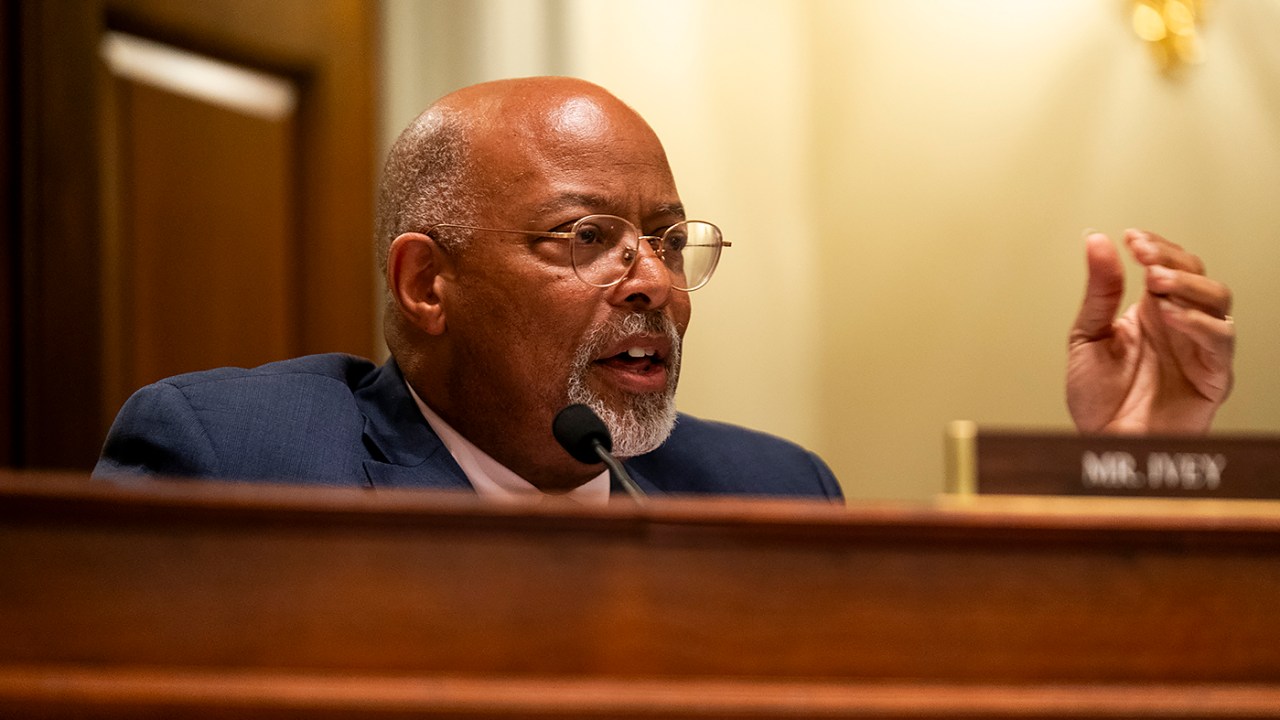
In other news, Alex Ovechkin spoke about a controversial ad he appeared in supporting Russian President Vladimir Putin. The National Park Service awarded secret contracts for East Potomac Park development, prompting criticism from House Democrats. AT&T acquired WarnerMedia, sparking concerns over media consolidation. Arch Manning apologized for inappropriate remarks regarding an AI-generated video. Lastly, Rep. Glenn Ivey shared his sports preferences, expressing a fondness for basketball but a dislike for Duke men’s basketball and the Dallas Cowboys.