
China has issued a warning to the United States over potential impacts on its financial stakes in Iran. This comes after President Donald Trump imposed further economic sanctions on Tehran and urged the global community to follow his lead.
China stands as Iran’s top trading partner, purchasing a significant portion of its crude oil prior to the conflict. Discounted Iranian crude oil came from a network known as the “shadow fleet,” comprising various vessels and intermediaries.
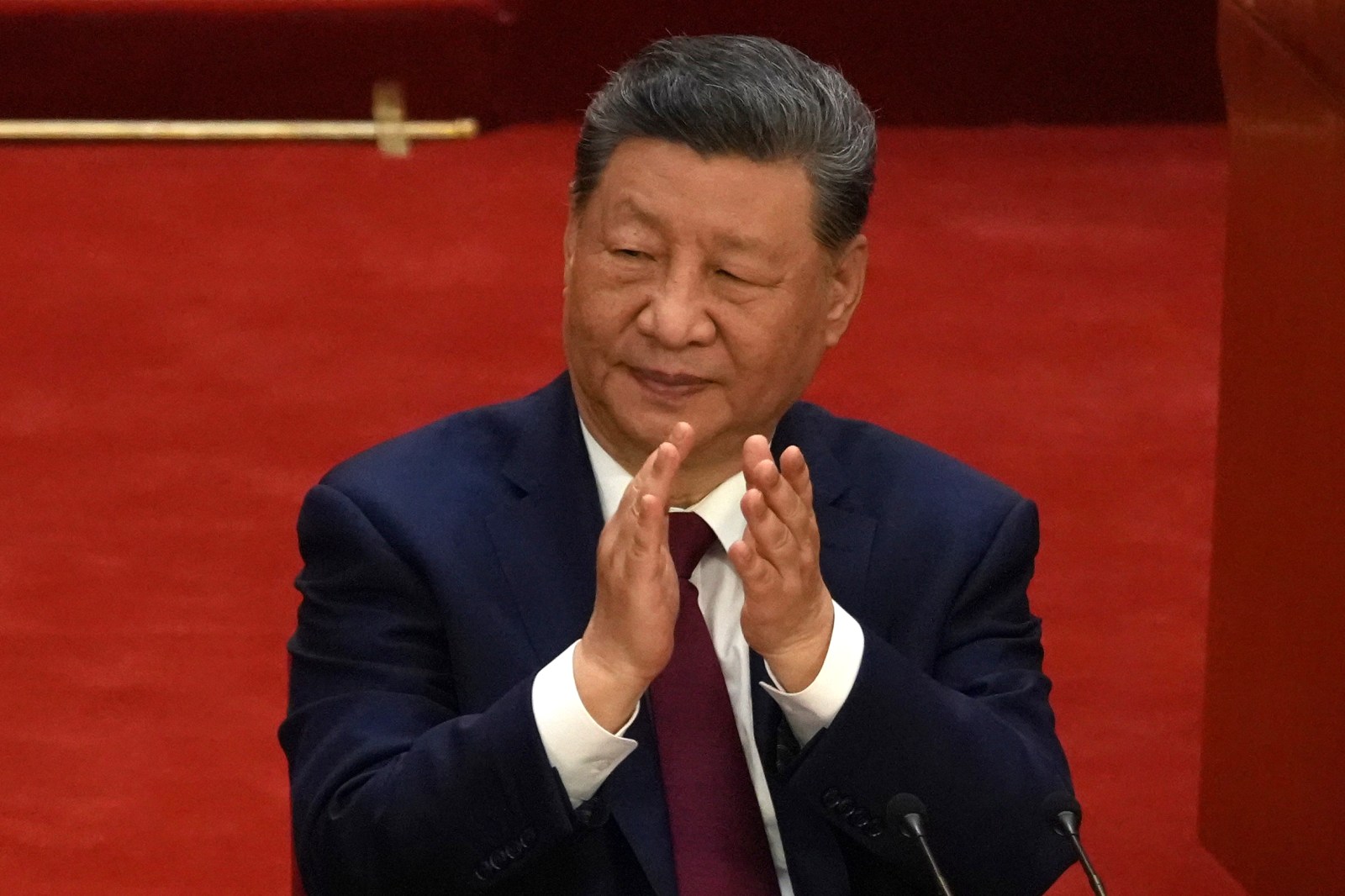
Trump’s threats towards governments not aiding in isolating Iran on the global stage test China’s loyalty to Tehran. This situation coincides with an upcoming state visit to the US by Chinese leader Xi Jinping, marking his first official trip there in over ten years. Analysts suggest China may want to maintain its relationship with Washington rather than risk economic stability.
“Economic war and maximum pressure will not solve the issue and will only further escalate tensions, create spillover risks, disrupt the global economic and financial order, and harm the legitimate rights and interests of other countries,”
stated Lin Jian, a spokesperson for the Chinese Foreign Ministry.
Jian further emphasized that the partnership between China and Iran follows international law and should not face disruption or interference.
China holds strategic options before severing ties with Tehran, a regional ally. Xi’s government focuses on securing better trade deals with the US, offering increased access for American companies—a priority for Trump’s administration. This could only happen if Xi’s visit isn’t portrayed as a propaganda tool by the US over the Iran situation.
Beijing has already shown influence over the White House by delaying a $14 billion US arms sale to Taiwan, a sensitive issue, which China claims could impact Trump’s planned meeting with Xi.
The US is also aware that China has played a key role in mitigating the global energy crisis, which was heightened by Middle Eastern conflicts. China’s domestic oil reserve enabled it to quickly reduce imports, avoiding a prolonged rise in oil prices, which could have increased costs for US consumers.
Previous exemptions for Iranian oil exports by the Trump administration acknowledged China’s influence, although they were framed as leverage over Iran.
Lin concluded, “China is paying close attention to relevant developments and will take all necessary measures to firmly safeguard its rights and interests.”