
The Decision and Planning
In the lead-up to September 11, 2001, Mohammed Atta and other al-Qaeda operatives meticulously crafted plans for the tragic events that unfolded. On August 25, 2001, Atta finalized the key details of their operation.
At 2:12 p.m., Atta logged into his Travelocity account, searching for flights from Washington Dulles International Airport and Boston to Los Angeles. He chose flights departing around 8:00 a.m. on September 11, selecting that day for its strategic significance. It was after Labor Day, meaning many people, including government officials, would be at work, maximizing potential casualties. Additionally, Tuesday presented lighter passenger loads, minimizing resistance during the hijacking.
Reservations and Coordination
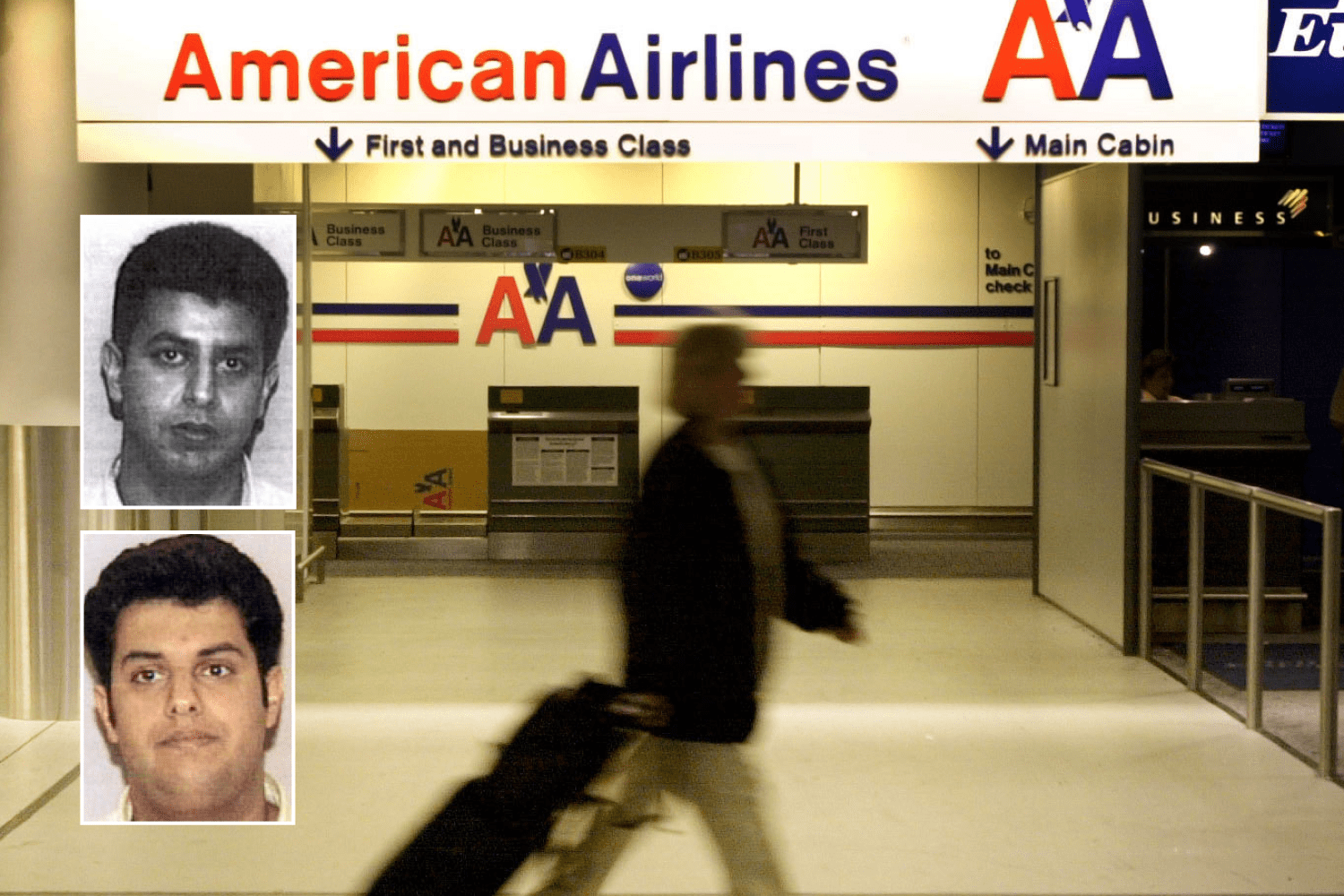
Atta booked a business class seat on American Airlines Flight 11 departing from Boston at 7:45 a.m. He joined the American Airlines AAdvantage program, establishing profile #6H26L04. Through diligent research, he identified Flight 11’s aircraft as a Boeing 767-223ER, following months of careful examination of aircraft models and flight procedures.
Three days later, Atta revisited the AA.com website, confirming reservations and purchasing tickets for himself and Abdulaziz al-Omari using a VISA card. Coordination with fellow hijackers was crucial, as decisions regarding flight selections and reservations were made collectively.
The Al-Shehri Brothers and More
On August 26, Waleed and Wail al-Shehri joined the plot, booking seats on the same flight. Wail purchased his ticket over the phone with a debit card, while Waleed used an online debit card transaction. Arriving from Saudi Arabia in April 2001, the brothers became integral to Atta’s team.
Additional recruits Abdulaziz al-Omari and Satam al-Suqami were tasked with commandeering the plane. Seat assignments placed the al-Shehri brothers in first class, while al-Omari and al-Suqami occupied business class alongside Atta.
Domestic Security Challenges
Given the domestic nature of these flights, intelligence agencies lacked mechanisms to identify reservation threats. International watchlists did not flag Atta or his associates, enabling unobstructed ticket purchases. Domestic hijacker security primarily relied on airport check-in staff, security screeners, and gate attendants.
These systematic gaps underscore how the perpetrators managed to evade detection, leading to the catastrophic events of September 11.